Animal Welfare & Animal Cruelty Defense Lawyer


TUCSON & SOUTHERN ARIZONA


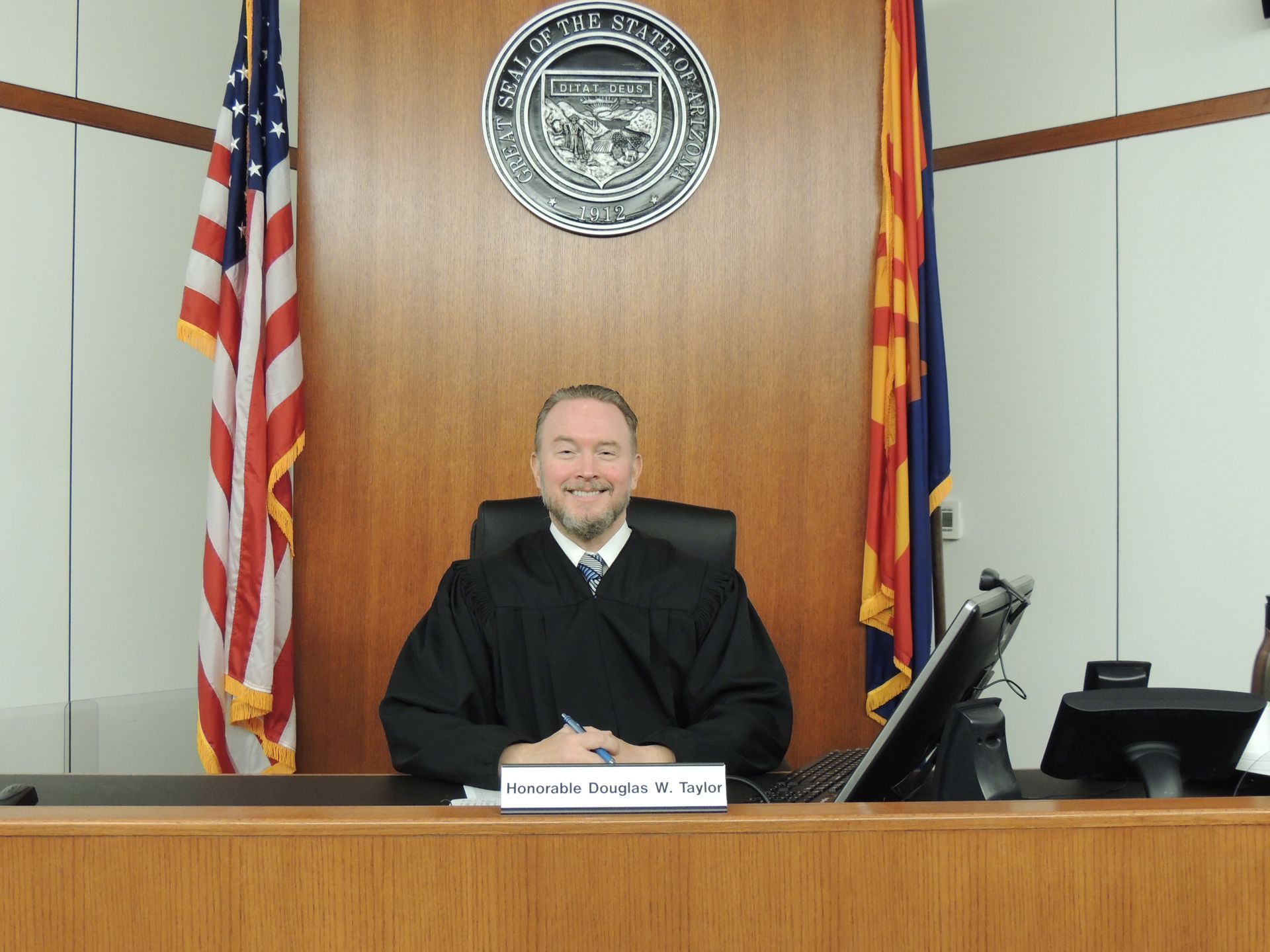
Accused of animal cruelty, neglect, abandonment, or animal welfare violations in Arizona? Former Pima County Judge Doug Taylor represents individuals facing animal-related criminal investigations and charges throughout Tucson and Southern Arizona.


Animal welfare cases are often emotionally charged, highly publicized, and factually complicated. Early legal guidance matters.


Call 24/7 for a Free Confidential Consultation

  • Fact-Checked

    This page has been carefully written, edited, and reviewed by our team of legal professionals following strict editorial guidelines. It has been approved by our Founding Partner, Douglas W. Taylor, Sr., a seasoned criminal defense attorney with extensive legal experience. The “last modified” date indicates the most recent review of this page.

Last Modified: May 13, 2026

Tucson Animal Cruelty defense lawyer

ANIMAL CRUELTY & ABUSE LAWYER IN TUCSON, ARIZONA


Animal welfare cases are often emotionally charged, highly publicized, and factually complicated. Early legal guidance matters. Serving Tucson & Southern Arizona. We push hard for dismissals, misdemeanor compromises, or diversion whenever possible.

Understanding Arizona Animal Cruelty & Animal Welfare Charges

Animal cruelty and animal welfare cases in Arizona often involve a complicated overlap of:

  • Arizona criminal statutes,
  • county regulations,
  • city ordinances,
  • animal control investigations,
  • veterinary evidence,
  • and search-and-seizure issues.


Many people are surprised to learn how quickly:

  • a neighbor complaint,
  • welfare check,
  • veterinary concern,
  • or social media allegation

can escalate into a criminal investigation.


Arizona animal cruelty allegations are primarily governed by:
A.R.S. § 13-2910

  • Depending on the allegations, charges may involve misdemeanor or felony exposure.


Common Animal Welfare Charges We See in Tucson


Animal Neglect Allegations

Cases involving allegations of:

  • inadequate food,
  • water,
  • shelter,
  • veterinary care,
  • or unsafe living conditions.


Animal Cruelty Allegations

These cases may involve accusations of:

  • intentionally injuring an animal,
  • reckless mistreatment,
  • abuse,
  • or failure to provide necessary care.


Animal Hoarding Cases

Some investigations involve large numbers of animals living in allegedly unsafe or unsanitary conditions.


These cases are often emotionally and psychologically complex.


Abandonment Allegations

Arizona law may criminalize knowingly abandoning animals without proper care.


Dog Fighting or Organized Animal Fighting Allegations

These are among the most serious animal-related charges and may involve felony exposure.


Dangerous Animal or Aggressive Dog Investigations

Some matters involve:

  • alleged attacks,
  • bites,
  • prior complaints,
  • or disputes involving animal-control authorities.


Animal Welfare Cases Often Involve More Than Criminal Law

Animal investigations frequently involve multiple agencies and overlapping legal systems.


These cases may include:

  • Tucson city ordinances,
  • Pima County regulations,
  • animal control investigations,
  • code enforcement,
  • veterinary reports,
  • search warrants,
  • and civil seizure proceedings.


In some situations, animals may be removed before criminal charges are even resolved.


Understanding how these systems interact is critically important.


What the State Must Prove

In most Arizona animal cruelty prosecutions, the State must prove specific legal elements beyond mere accusations or emotional reactions.


Depending on the charge, prosecutors may need to establish:

  • intentional conduct,
  • reckless conduct,
  • criminal negligence,
  • unlawful abandonment,
  • or failure to provide legally required care.


These cases frequently turn on:

  • veterinary evidence,
  • witness credibility,
  • photographs,
  • property conditions,
  • timelines,
  • and expert interpretation.
  • Context matters enormously.


Common Defenses We Use


Unlawful Search or Seizure

Improper entry onto private property or unlawful seizure procedures may create major constitutional issues.


Lack of Criminal Intent

Poor conditions alone do not automatically establish intentional cruelty.


Disputed Veterinary Conclusions

Medical interpretations may be incomplete, disputed, or inconsistent.


Exaggerated or Retaliatory Complaints

Some cases arise from:

  • neighbor disputes,
  • family conflicts,
  • divorces,
  • or emotionally charged allegations.


Animal Ownership Disputes

Questions sometimes arise regarding:

  • who legally owned the animals,
  • who was responsible for care,
  • or who actually controlled the property.


Incomplete Investigations

  • Animal welfare investigations are sometimes rushed or emotionally driven before all facts are gathered.

Animal Seizures, Searches, and Warrants

Many animal welfare investigations begin with:

  • anonymous complaints,
  • neighbor reports,
  • social media posts,
  • or welfare checks.


One of the most important legal issues often becomes:

  • whether investigators lawfully entered the property or seized animals.


Animal-control officers and law enforcement officers must still comply with constitutional protections.


Important issues may include:

  • consent,
  • warrant validity,
  • emergency-entry claims,
  • scope of search,
  • photographs,
  • and seizure procedures.


Improper searches or seizures may significantly affect a case.


Hoarding, Financial Hardship, and Criminal Intent

Not every difficult animal-care situation involves intentional cruelty.


Some cases involve:

  • financial hardship,
  • mental health struggles,
  • overwhelmed caretakers,
  • elderly individuals,
  • rescue situations,
  • or rapidly escalating circumstances.


As a former judge, Doug Taylor understands that courts often need the full factual context — not just isolated photographs or allegations.


Intent, knowledge, available resources, and overall circumstances may matter significantly.


Veterinary Evidence Is Often Critical

Veterinary opinions can become central in animal welfare prosecutions.


However, veterinary evidence is not always simple or unanimous.


Issues may involve:

  • timing of injuries,
  • preexisting medical conditions,
  • conflicting medical opinions,
  • age-related conditions,
  • causation disputes,
  • or differing standards of care.


Careful review of veterinary records and expert findings may become extremely important.

Former Judge Perspective: What Courts Actually Look For


As a former judge, Doug Taylor understands that animal welfare cases often create strong emotional reactions long before all evidence is reviewed carefully.


Judges frequently look beyond headlines and allegations to evaluate:

  • credibility,
  • investigative thoroughness,
  • veterinary evidence,
  • property conditions,
  • intent,
  • and overall factual context.


These cases are rarely as simple as they initially appear.


Courts often examine:

  • whether investigators documented conditions fairly,
  • whether photographs accurately represented the situation,
  • whether animals were actually suffering,
  • and whether the accused acted intentionally, recklessly, or negligently.


Preparation and evidence organization matter enormously in these cases.

FAQs — ANIMAL CRUELTY & ANIMAL WELFARE DEFENSE


Can animal control enter my property without a warrant?

Sometimes emergency circumstances are claimed, but constitutional protections still apply. The legality of entry often becomes a major issue.


Can my animals be seized before I am convicted?

Yes. In some cases, animals may be removed before the criminal case is resolved.


Are animal cruelty charges felonies in Arizona?

Some are misdemeanors, while others may be charged as felonies depending on the facts.


What if I could not afford veterinary care?

Financial hardship and surrounding circumstances may become important factual issues.


Can I lose the right to own animals?

Potentially, yes, depending on the outcome of the case.


What if the animals belonged to someone else?

Ownership and responsibility issues may become highly important in shared-property or shared-household situations.


Can social media posts be used against me?

Yes. Investigators frequently review Facebook, Instagram, TikTok, and other online postings.


What if neighbors exaggerated the situation?

Some animal investigations arise from disputes, retaliation, or incomplete information.


Can these cases be dismissed?

Some cases are reduced or dismissed depending on the evidence, legality of searches, veterinary issues, or negotiation strategy.


When should I contact a lawyer?

Immediately. Early legal guidance may protect constitutional rights and preserve critical evidence.

Animal Cruelty & Neglect Defense Lawyer Tucson

      -"I sat on the judge's bench for years, and I know exactly what judges look for when they’re deciding release conditions, no-contact orders, and whether or not you go home." -Doug Taylor, Owner

Penalties at a Glance

Animal cruelty charges in Arizona may range from misdemeanors to serious felony offenses depending on:

  • the type of allegation,
  • number of animals involved,
  • prior history,
  • and alleged injuries.


Potential consequences may include:

  • jail or prison exposure,
  • probation,
  • fines,
  • restitution,
  • counseling requirements,
  • restrictions on owning animals,
  • and significant reputational damage.


Felony convictions may also affect:

  • employment,
  • professional licensing,
  • firearm rights,
  • and future housing opportunities.

Immediate Mistakes To Avoid


If you are under investigation for animal welfare or animal cruelty allegations:

  • Do not consent to broad searches without legal guidance
  • Do not surrender statements casually to investigators
  • Do not post about the allegations on social media
  • Do not destroy photographs, records, or veterinary documents
  • Do not attempt to “explain everything” emotionally
  • Preserve veterinary records, receipts, medications, and communications
  • Contact a criminal defense attorney early


Early mistakes can significantly complicate these cases.

Need Help Now?

Animal cruelty and animal welfare investigations can threaten:

  • your freedom,
  • your reputation,
  • your property,
  • and your future.


Taylor Law Group, PLLC represents individuals facing animal-related criminal allegations throughout Tucson and Southern Arizona.


Former Pima County Judge Doug Taylor brings courtroom perspective from both sides of the bench to animal welfare and criminal defense cases.


Call or text (520) 440-5635 anytime, 24/7, for a free confidential consultation.

Why choose

TAYLOR LAW GROUP?


Ranked in the Top 100 Trial Lawyers

Over 25 Years of Criminal Defense Experience 

Proven Results In & Out of Court

We Are Available 24/7 for All Clients

Former Pima County Judge

contact us

If you or a loved one needs the assistance of our Tucson criminal defense attorneys, please feel free to contact us in the way that is most convenient for you, whether calling us at (520) 440-5635 or completing the contact form below. All fields are required.

Contact Us