
Injunction Against Harassment Lawyer
SERVING TUCSON & SOUTHERN ARIZONA

An Injunction Against Harassment (IAH) can significantly affect your reputation, employment, housing, personal relationships, and daily life. Although these proceedings are civil rather than criminal, an injunction may impose immediate restrictions and can become important evidence in future legal proceedings if left unchallenged.
Unlike an Order of Protection, an Injunction Against Harassment generally applies when the parties do not share a qualifying domestic relationship. These cases frequently arise between neighbors, former friends, acquaintances, co-workers, landlords and tenants, or individuals involved in ongoing personal disputes.
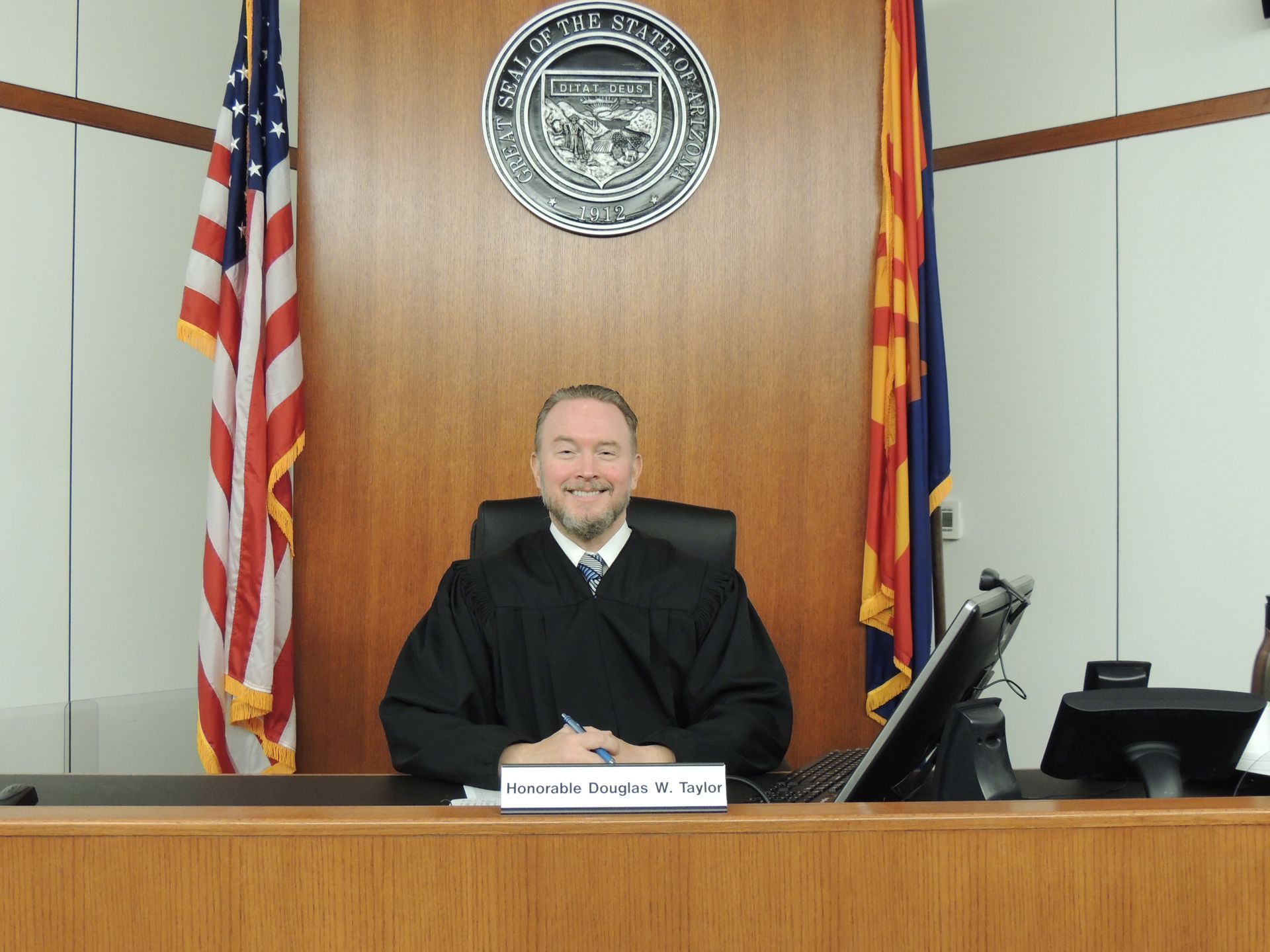
Douglas W. Taylor, Sr. brings more than 25 years of criminal-law experience to these hearings. As a former Pima County judge, he understands how courts evaluate credibility, determine whether conduct satisfies Arizona's legal definition of harassment, and distinguish genuine safety concerns from misunderstandings, retaliation, or exaggerated allegations.
Common Situations Leading to Injunctions Against Harassment
• Neighbor disputes
• Workplace conflicts
• Former friendships or dating relationships without a qualifying domestic relationship
• Social media or electronic communications
• Alleged repeated unwanted contact
• Business or landlord-tenant disputes
• Retaliatory filings following unrelated disagreements
• Allegations based upon misunderstandings or isolated incidents
Prompt legal representation often provides the best opportunity to preserve evidence and prepare for a contested hearing.
Injunctions Against Harassment Under Arizona Law
Arizona's Injunction Against Harassment statute, A.R.S. § 12-1809, allows a court to issue an injunction designed to prevent harassment between individuals who do not qualify for an Order of Protection under Arizona law.
Generally, harassment requires a series of acts directed at a specific person that would cause a reasonable person to be seriously alarmed, annoyed, or harassed and that actually serves no legitimate purpose. In certain circumstances, a single act may qualify if specifically authorized by statute.
An Injunction Against Harassment may initially be issued without the defendant being present. Once served, however, the defendant generally has the right to request a hearing where both parties may present testimony, witnesses, and documentary evidence before the court determines whether the injunction should remain in effect.
What the Court Must Determine
At a contested hearing, the court evaluates whether the petitioner has established the legal requirements necessary to continue the injunction.
Important issues often include:
• Whether the alleged conduct satisfies Arizona's statutory definition of harassment
• Whether the required number of qualifying acts occurred
• Whether the conduct served a legitimate purpose
• The credibility of each witness
• Consistency between testimony and documentary evidence
• Text messages, emails, social-media communications, photographs, recordings, and other evidence
• Whether the petitioner has met the required burden of proof
Each case turns upon its own facts. The court evaluates the totality of the evidence rather than relying solely upon the allegations contained in the original petition.
Possible Consequences
Although an Injunction Against Harassment is a civil proceeding, it may create substantial practical consequences.
Potential effects include:
• Restrictions on contacting the protected person
• Restrictions involving particular locations
• Employment consequences
• Reputational harm
• Possible impact upon professional licensing
• Future legal consequences if the injunction is violated
• Use of the injunction in related civil or criminal proceedings
Because these orders often take effect immediately after service, early legal advice can be extremely important.
Common Defense Strategies
Every case is unique, and no single defense applies to every injunction proceeding.
Depending upon the evidence, legal strategy may include:
• Challenging whether the alleged conduct satisfies the statutory definition of harassment
• Demonstrating that the alleged conduct served a legitimate purpose
• Presenting communications that place events in proper context
• Challenging inconsistencies in witness testimony
• Presenting witnesses or documentary evidence
• Demonstrating mistaken identity or factual inaccuracies
• Showing that the petitioner has failed to satisfy the statutory requirements
Careful preparation before the hearing frequently makes a substantial difference in the ultimate outcome.
Not Every Dispute Constitutes Harassment
Having served as a judge, I understand that not every unpleasant interaction, disagreement, or argument satisfies Arizona's legal definition of harassment.
Courts carefully examine whether the alleged conduct actually meets the statutory requirements rather than simply determining whether the parties experienced conflict. Strong evidence, organized presentation, and careful preparation often become decisive factors during contested hearings.
Real Example: Context Can Change the Analysis
Two neighbors become involved in an ongoing dispute regarding noise, property boundaries, and repeated complaints. One neighbor seeks an Injunction Against Harassment based upon a series of alleged encounters.
At the hearing, text messages, surveillance footage, witness testimony, and the complete timeline provide additional context that was absent from the original petition. The court evaluates all of the evidence before determining whether the statutory requirements for an injunction have actually been satisfied.
Related Legal Matters
Injunction Against Harassment cases frequently overlap with other legal matters.
Depending upon the circumstances, you may also need representation involving:
• Domestic Violence Assault Defense
• Domestic Violence Firearm Rights
Because these issues often arise simultaneously, legal strategy should consider the entire legal picture rather than a single proceeding in isolation.
Frequently Asked Questions
What is the difference between an Injunction Against Harassment and an Order of Protection?
An Order of Protection generally requires a qualifying domestic relationship. An Injunction Against Harassment typically applies when no qualifying domestic relationship exists.
Can I challenge an Injunction Against Harassment?
Yes. After being served, you generally have the right to request a hearing where both parties may present evidence and testimony.
How long does an Injunction Against Harassment remain in effect?
Generally, an injunction remains effective for one year after service unless modified or dismissed by the court.
Can text messages and emails be used as evidence?
Yes. Electronic communications are frequently presented during injunction hearings.
Can social-media posts be used in court?
Yes. Social-media posts, direct messages, photographs, videos, and other electronic evidence may all become relevant depending upon the issues presented.
Will violating an injunction result in criminal charges?
It can. Violating an Injunction Against Harassment may result in criminal prosecution under Arizona law.
Can an injunction affect my employment?
Potentially. Depending upon your occupation and the circumstances involved, an injunction may have employment or professional consequences.
Do I need a lawyer for the hearing?
Although not legally required, experienced legal representation often improves the organization and presentation of evidence.
Can the petitioner dismiss the injunction?
The petitioner may request dismissal, but the court ultimately determines whether dismissal is appropriate.
When should I contact an attorney?
Immediately. Early preparation provides the greatest opportunity to preserve evidence and prepare effectively before the hearing.
Speak With a Former Judge About Your Injunction Against Harassment Case
Being served with an Injunction Against Harassment does not mean the allegations are true or that the injunction must remain in effect. The hearing provides an opportunity to present evidence, challenge the allegations, and protect your rights.
Douglas W. Taylor, Sr. is a former Pima County judge with more than 25 years of criminal-law experience representing clients throughout Tucson and Southern Arizona. He provides strategic, experienced representation in contested Injunction Against Harassment proceedings from the beginning of the case through its resolution.
Call Taylor Law Group, PLLC today at (520) 440-5635 for a free and confidential consultation.