
Domestic Violence Assault Lawyer
Serving Tucson and Southern Arizona

Domestic violence assault allegations often arise from arguments, family disputes, or emotionally charged situations in which the people involved give very different accounts of what happened. An arrest does not necessarily mean the evidence supports a conviction. Police officers frequently must make quick decisions based upon limited information, and prosecutors may later rely upon witness statements, photographs, medical records, body-camera footage, and other evidence to determine how the case proceeds.
Douglas W. Taylor, Sr. is a former Pima County judge with more than 25 years of criminal-law experience. Having presided over domestic violence cases from the bench, he understands how judges evaluate witness credibility, conflicting testimony, self-defense claims, physical evidence, and the legal issues that often determine the outcome of an assault prosecution.
If you have been accused of domestic violence assault in Tucson or Southern Arizona, obtaining experienced legal representation early may help preserve evidence, protect your constitutional rights, and position your case for the strongest possible defense.
Common Situations Leading to Domestic Violence Assault Charges
Domestic violence assault charges commonly arise from situations involving:
• Heated arguments between spouses or partners
• Disputes involving former dating partners
• Family disagreements that become physical
• Allegations involving pushing, grabbing, or slapping
• Conflicting claims of self-defense
• Minor injuries that later become criminal allegations
• Alcohol-related domestic disputes
• Cross-allegations where both parties accuse one another
Not every domestic argument results in criminal assault. The surrounding facts, the available evidence, and the credibility of the witnesses frequently determine whether the State can prove the charge beyond a reasonable doubt.
Domestic Violence Assault Charges Under Arizona Law
Arizona assault is governed primarily by A.R.S. § 13-1203. Depending upon the allegations, a person may be accused of intentionally, knowingly, or recklessly causing physical injury to another person, intentionally placing another person in reasonable apprehension of imminent physical injury, or knowingly touching another person with the intent to injure, insult, or provoke.
When the alleged victim shares a qualifying relationship with the accused, the offense may be designated as domestic violence under A.R.S. § 13-3601. Qualifying relationships include current or former spouses, individuals who share a child, certain family members, people living together or who previously lived together, and certain current or former romantic partners.
Domestic violence is generally not a separate criminal offense. Instead, it is a legal designation attached to the underlying assault charge. That designation can affect release conditions, counseling requirements, firearm rights, future criminal proceedings, and other important legal consequences.
Not every physical encounter or allegation satisfies the legal definition of assault. The prosecution must still prove every required element beyond a reasonable doubt.
What the Prosecution Must Prove
To obtain a conviction for domestic violence assault, the State must prove every required element of the charged offense beyond a reasonable doubt.
Depending upon the specific subsection alleged, the prosecution generally must establish:
• That an assault occurred as defined by Arizona law
• That the defendant acted with the required mental state
• That the alleged victim was involved in a qualifying domestic relationship with the defendant
Many domestic violence assault cases ultimately depend upon witness credibility rather than objective physical evidence. The court may be asked to evaluate conflicting testimony, medical records, photographs, text messages, body-camera footage, 911 recordings, prior inconsistent statements, and other evidence to determine what actually occurred.
Small factual differences frequently determine whether criminal liability exists.
Potential Consequences of a Conviction
Even a misdemeanor domestic violence assault conviction can have significant and lasting consequences.
Possible penalties may include:
• Jail
• Probation
• Fines and surcharges
• Court-ordered domestic violence counseling
• Protective or no-contact orders
• Community restitution
• A permanent criminal record
Additional collateral consequences may include:
• Loss or restriction of firearm rights
• Employment difficulties
• Professional licensing consequences
• Housing and background check issues
• Immigration consequences in some cases
• Increased penalties for future domestic violence allegations
The legal consequences often extend well beyond the sentence imposed by the court, making experienced representation important from the earliest stages of the case.
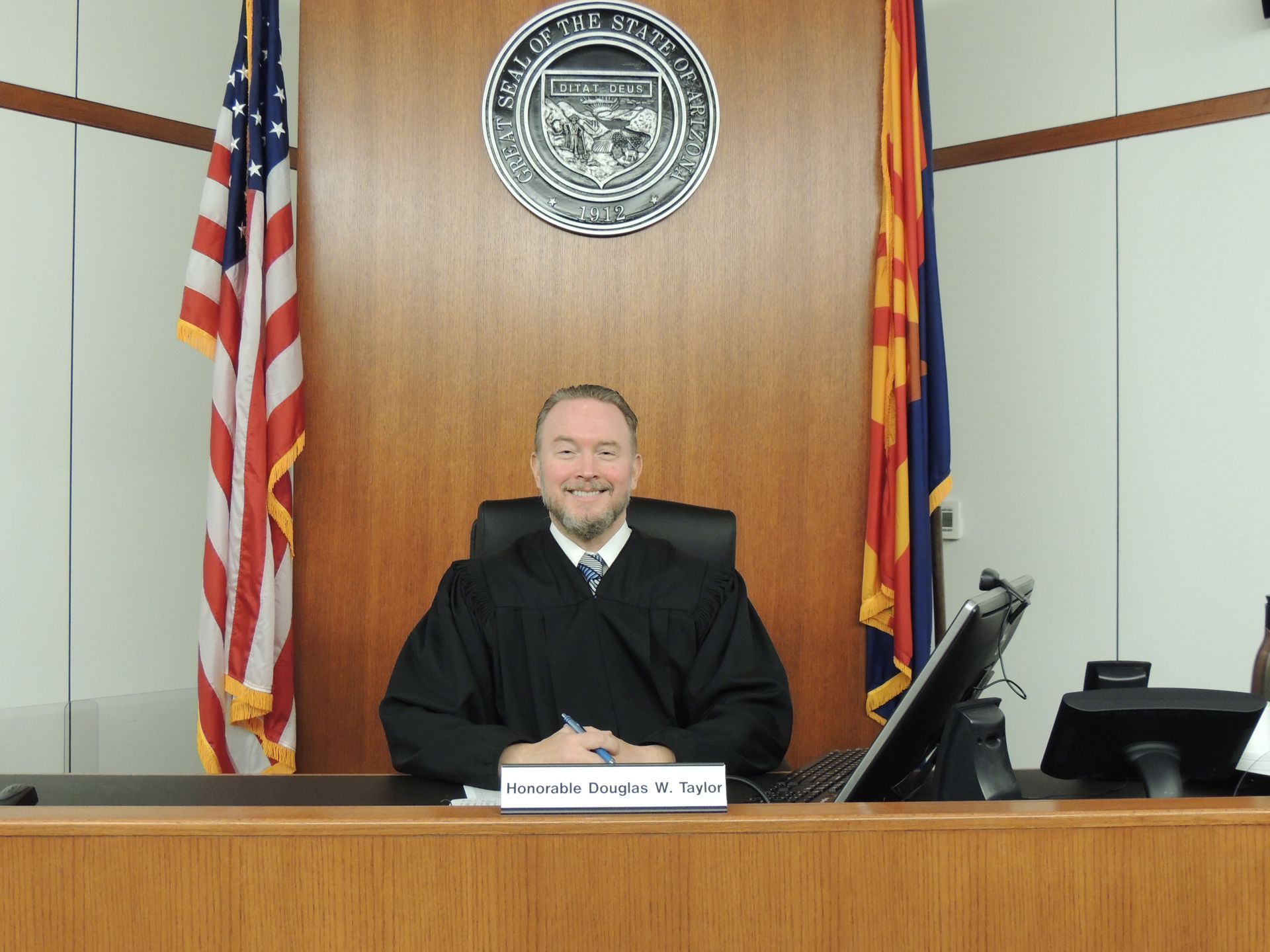
COURTROOM REALITY
Domestic violence assault cases often appear straightforward immediately after an arrest. As additional evidence becomes available, however, the facts may become much less clear.
Judges evaluate far more than the initial police report. Body-camera footage, witness credibility, medical records, photographs, text messages, prior statements, and the overall consistency of the evidence frequently influence how a case develops.
Many allegations arise during emotionally charged arguments where both people accuse the other of wrongdoing. Careful investigation and organized presentation of the evidence may significantly affect the outcome.
Real Example: Why the First Police Report Is Not Always the Whole Story
Police respond to a domestic disturbance after one person reports being pushed during an argument. Officers observe heightened emotions, receive conflicting statements, and make an arrest based upon the information immediately available.
As the case develops, additional evidence tells a more complete story. Body-camera footage may contradict portions of the initial report. Text messages may show what occurred before police arrived. Witnesses may provide accounts that differ from the original statements. Medical records may reveal injuries that are inconsistent with the allegations—or no injury at all.
Domestic violence assault cases often turn on credibility rather than a single piece of evidence. Careful review of every available fact can reveal weaknesses in the prosecution's case that are not apparent on the day of the arrest.
Related Defense Areas
Domestic violence assault allegations frequently overlap with other criminal charges and protective-order proceedings.
Depending upon the circumstances, related legal issues may include:
• First-Time Domestic Violence Defense
• Domestic Violence Disorderly Conduct Defense
• Criminal Damage Domestic Violence Defense
• Threatening or Intimidating Defense
• Injunctions Against Harassment
• Firearm Rights in Domestic Violence Cases
Each allegation should be evaluated independently. The appropriate defense strategy often depends upon the evidence supporting each charge, the applicable statutes, and the overall circumstances surrounding the incident.
Frequently Asked Questions
Can I be charged with domestic violence assault even if the alleged victim was not seriously injured?
Yes. Arizona assault does not always require a serious physical injury. Depending upon the subsection charged, allegations involving minor injuries, placing another person in reasonable apprehension of imminent physical injury, or knowingly touching another person with the intent to injure, insult, or provoke may support an assault charge.
Can I claim self-defense?
Possibly. Arizona law recognizes self-defense under certain circumstances. Whether that defense applies depends upon the facts, the amount of force allegedly used, and the evidence available. Self-defense claims should be carefully evaluated based upon the specific circumstances of each case.
What if both people were fighting?
Mutual accusations are common in domestic violence assault cases. Police officers often must make immediate decisions based upon limited information. The fact that both people participated in an argument does not automatically determine who, if anyone, committed a criminal offense.
Can the alleged victim ask for the charges to be dismissed?
The alleged victim may express a preference, but the prosecutor ultimately decides whether criminal charges proceed. Even if the alleged victim later changes their story or requests dismissal, the State may continue prosecuting the case.
What evidence is important in a domestic violence assault case?
Evidence may include body-camera footage, 911 recordings, photographs, medical records, witness statements, text messages, social-media communications, surveillance video, dispatch recordings, and physical evidence. The complete context surrounding the incident often becomes as important as the allegation itself.
Will I lose my firearm rights?
Possibly. Certain domestic violence convictions, protective orders, felony charges, and federal law may affect firearm possession or purchasing rights. The consequences depend upon the charge, the disposition of the case, and the individual's circumstances.
Will a domestic violence assault conviction appear on a background check?
Generally, yes. Criminal convictions may appear during employment, professional licensing, housing, security-clearance, and other background investigations. The long-term consequences often extend beyond the criminal sentence itself.
Can domestic violence assault charges be dismissed?
Some cases are dismissed because the evidence is insufficient, witness accounts are inconsistent, constitutional violations occurred, or the prosecution cannot prove every required element beyond a reasonable doubt. Every case is different, and no particular result can be guaranteed.
Should I contact the alleged victim after my arrest?
Generally, no. Courts frequently impose release conditions prohibiting contact with the alleged victim. Violating those conditions may create additional legal problems. Before attempting any contact, you should understand every court order that applies to your case and discuss your situation with your attorney.
When should I hire a lawyer?
As soon as possible. Early legal representation may help preserve evidence, address release conditions, identify weaknesses in the prosecution's case, and prevent mistakes that could negatively affect the outcome of the case.
Speak With a Former Judge About Your Domestic Violence Assault Case
A domestic violence assault allegation can affect your freedom, your family, your employment, your reputation, and your future. The decisions made during the first days after an arrest often have a lasting impact on how a case develops.
Doug Taylor is a former Pima County judge with more than 25 years of criminal-law experience representing individuals accused of criminal offenses throughout Tucson and Southern Arizona. He provides careful case evaluation, strategic legal guidance, and experienced courtroom representation from the beginning of your case through its resolution.
Call Taylor Law Group, PLLC at (520) 440-5635 for a free and confidential consultation.