

Fact-Checked
This page has been written, edited, and reviewed by our owner, Doug Taylor, who has 25+ years of legal experience as a former Pima County judge and elected official, and a criminal and DV defense and restraining order lawyer. Our last modified date shows when this page was last reviewed.
Domestic Violence Allegations in Tucson: What You Need to Know Early
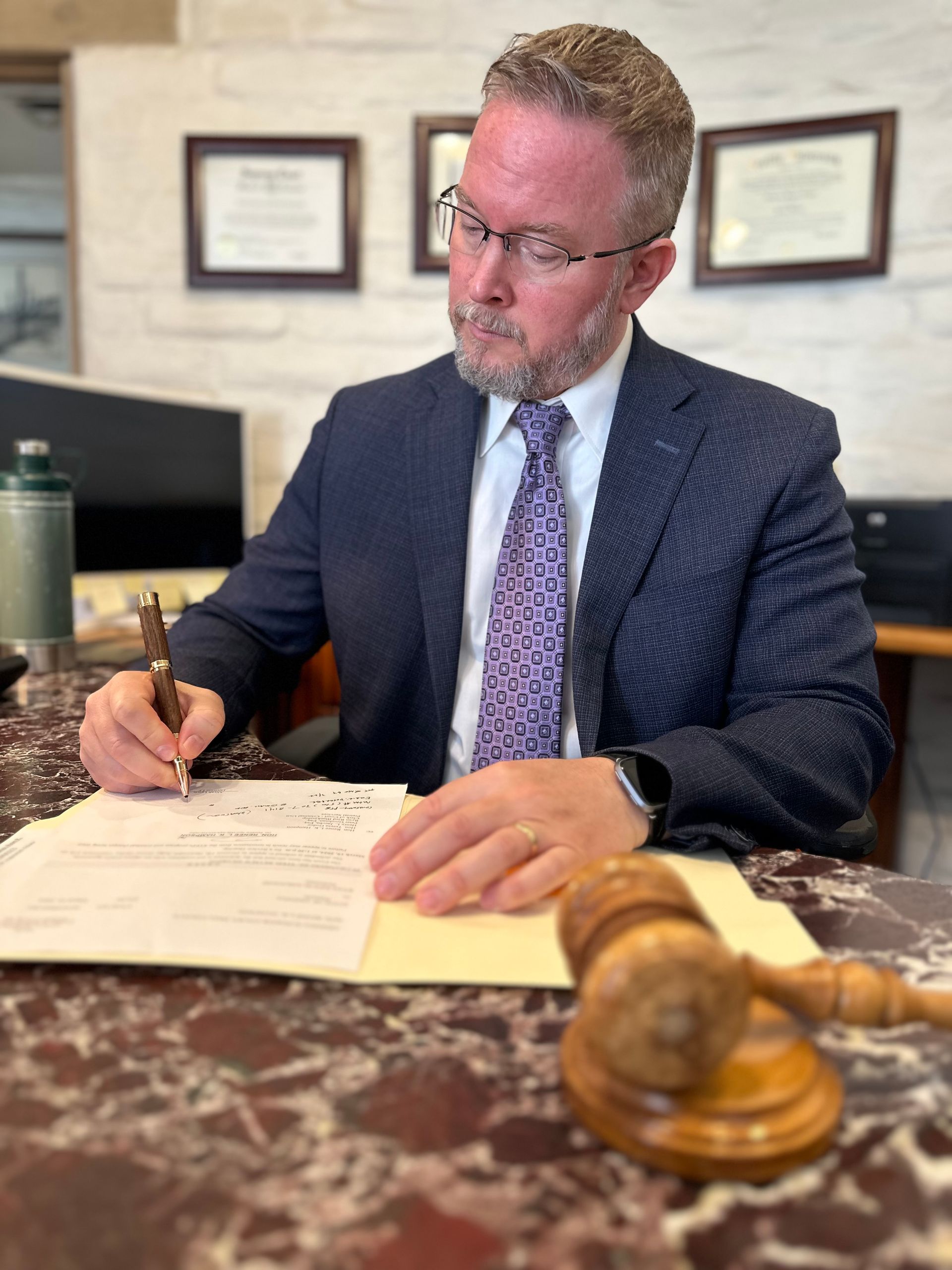
Domestic violence allegations are among the most serious and disruptive matters handled in Arizona courts.
Beyond the risk of criminal penalties, DV cases often involve immediate restrictions on contact, housing, employment, firearm possession, and daily life — sometimes before a person has had a full opportunity to be heard. Oftentimes DV cases also involve restraining orders.
In Tucson and throughout Southern Arizona, the first decisions made after a domestic violence allegation can significantly affect how the case develops moving forward.
Domestic Violence Cases Move Quickly
Unlike many criminal matters, domestic violence allegations can trigger immediate court action. Under Arizona law, domestic violence is governed by A.R.S. § 13-3601, which identifies qualifying relationships and offenses that may be classified as domestic violence-related.
In many cases, individuals may suddenly face:
- No-contact or limited-contact orders
- Restrictions on returning home
- Firearm possession limitations
- Emergency protective orders
- Accelerated court appearances
- Child custody or parenting-time complications
- Employment or professional licensing concerns
These consequences often begin within hours of an allegation being made. Other types of criminal charges often accompany DV charges as well.
What Happens in the First 24–72 Hours After a Domestic Violence Allegation?
The earliest stages of a domestic violence case are often the most chaotic and important.
First 24 Hours
Law enforcement may respond quickly to a 911 call or disturbance report. Officers often make arrest decisions at the scene, even when the situation is emotionally charged or facts are disputed.
- In many Arizona domestic violence cases, an arrest may occur even if the alleged victim does not want prosecution.
Within 24–48 Hours
The accused person may appear before a judge for an initial appearance. At that stage, release conditions can be imposed immediately, including:
- No-contact orders
- Orders to vacate a residence
- GPS monitoring
- Firearm restrictions
- Drug or alcohol testing requirements
These early orders can dramatically affect work, parenting, finances, and housing.
Within 48–72 Hours
Prosecutors begin reviewing reports, body-camera footage, witness statements, photographs, and 911 recordings. At the same time, protective order proceedings or family court complications may begin developing separately from the criminal case.
This is often when early legal strategy becomes critically important.
Early Statements Can Complicate a Domestic Violence Case
One of the most common mistakes people make is attempting to “explain” the situation informally before obtaining legal advice.
Even statements made with good intentions can later become damning evidence.
Examples include:
- “I only grabbed her to calm her down.”
- “It was mutual.”
- “I was drinking and don’t remember exactly what happened.”
- “I pushed him first, but only because I was upset.”
- “I never meant to scare anybody.”
Statements like these may unintentionally admit physical contact, emotional escalation, intoxication, or conduct that prosecutors later characterize differently than intended.
Text messages, social media posts, jail calls, and attempts to “work things out” can also become part of the evidence in domestic violence cases.
Former Judge Perspective: What Courts Actually Look For
Domestic violence cases are highly fact-specific and credibility-driven. From years spent presiding over Arizona court proceedings, certain patterns consistently mattered in courtroom decision-making.
Judges often evaluate:
- Whether the accused appears to understand and follow court orders
- The emotional dynamics between the parties
- Escalation indicators shown in messages or recordings
- Prior incidents, even when no prior conviction exists
- How each party presents during hearings
- Whether someone appears reactive, evasive, defensive, or credible under questioning
In many cases, courtroom demeanor and decision-making after the allegation can influence outcomes more than people initially realize.
For example, violations of no-contact orders — even informal or invited contact — can quickly create additional legal exposure (see our interference with judicial proceedings page). Likewise, emotional social media posts or angry text exchanges often become evidence prosecutors attempt to use to establish volatility or intent.
Understanding how judges actually assess risk, compliance, and credibility in real Arizona courtrooms can matter significantly in domestic violence litigation.
Protecting Rights and Preserving Options
Early legal guidance can help individuals:
- Understand release conditions and court restrictions
- Avoid statements that unintentionally complicate the case
- Navigate protective order issues properly
- Preserve favorable evidence early
- Avoid avoidable probation violations or new allegations
- Make informed decisions before critical hearings occur
The goal is not panic or overreaction. The goal is protecting rights, preserving options, and approaching the situation strategically from the beginning.
Frequently Asked Questions
Can domestic violence charges be filed even if the alleged victim does not want to press charges?
Yes. In Arizona, prosecutors make charging decisions — not the alleged victim.
Can I return home after a domestic violence arrest?
Not always. Release conditions or protective orders may prohibit returning to the residence, even temporarily.
Are text messages and social media used as evidence?
Frequently. Messages, posts, call logs, and digital communications are commonly reviewed in domestic violence investigations.
Will a domestic violence conviction affect firearm rights?
Potentially, yes. Certain domestic violence convictions and protective orders can create firearm possession restrictions under both Arizona and federal law.
Should I speak with an attorney early?
In many cases, early legal guidance can help avoid mistakes that become much harder to correct later in the process.
Speak With a Tucson Domestic Violence Defense Lawyer Early
If you are facing domestic violence allegations in Tucson or Southern Arizona, speaking with an experienced domestic violence defense lawyer early may help preserve options, protect your rights, and avoid complications that can develop quickly in these cases.
Taylor Law Group, PLLC represents individuals accused of domestic violence offenses throughout Tucson, Pima County, Cochise County, Santa Cruz County, and Pinal County.
Free confidential consultations are available 24/7 at (520) 440-5635.
Search our site
Categories
FOLLOW US