

Fact-Checked
This page has been written, edited, and reviewed by our owner, Doug Taylor, who has 25+ years of legal experience as a former Pima County judge and elected official, and a criminal and DV defense and restraining order lawyer. Our last modified date shows when this page was last reviewed.
What to Do If You’re Falsely Accused of Domestic Violence in Tucson
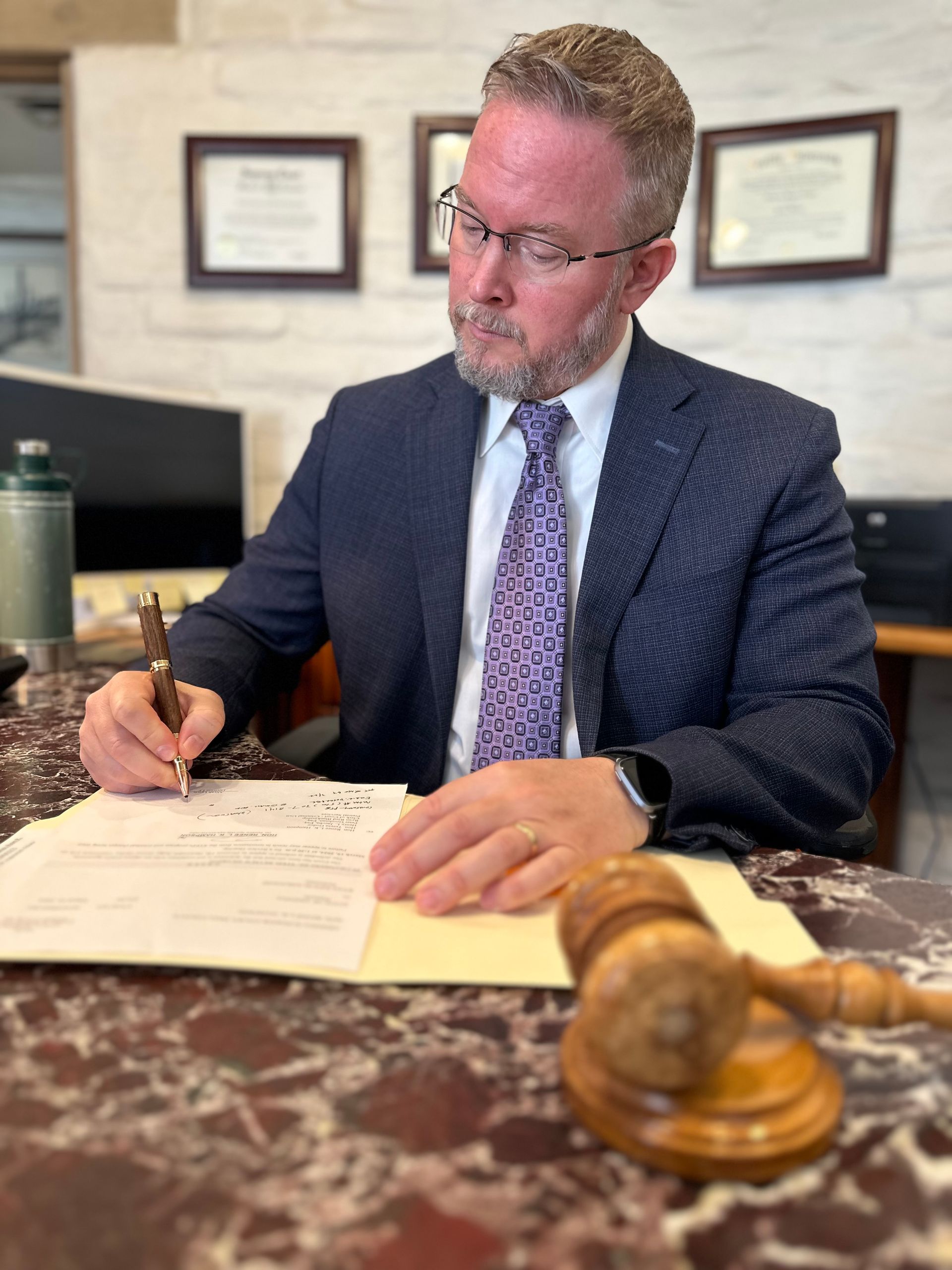
Being falsely accused of domestic violence can turn your life upside down almost immediately. In Arizona, domestic violence allegations frequently trigger arrests, no-contact orders, firearm restrictions, removal from the home, and damage to professional and personal relationships — often before all facts have been carefully evaluated.
If you have been falsely accused of domestic violence in Tucson or Southern Arizona, the most important thing you can do is act carefully and strategically from the very beginning.
Domestic violence allegations are governed by A.R.S. § 13-3601, which identifies certain relationships and offenses that qualify as domestic violence-related under Arizona law.
False allegations do happen. But the way you respond in the first hours and days can significantly affect the outcome of your case.
The First 24 Hours After a False Domestic Violence Accusation
The earliest stage of a domestic violence case is often the most important.
Many people understandably panic after being accused and immediately try to “fix” the situation emotionally. Unfortunately, emotional reactions often make cases worse.
If you have been falsely accused:
Do:
- Remain calm
- Exercise your right to remain silent
- Contact an experienced domestic violence defense attorney immediately
- Preserve evidence
- Follow all court orders carefully
- Document important events and timelines while memories are fresh
Do NOT:
- Contact the accuser emotionally
- Attempt to “talk things out”
- Delete text messages or social media content
- Violate no-contact orders
- Post about the situation online
- Assume the truth will automatically protect you
In many domestic violence cases, early decisions become critical later.
What to Say — and Not Say — to Police
One of the biggest mistakes falsely accused individuals make is believing they can simply “explain their side” to law enforcement.
Unfortunately, even truthful explanations can unintentionally create damaging statements or inconsistencies.
People under stress often:
- Speak emotionally
- Guess at timelines
- Minimize conduct poorly
- Contradict themselves unintentionally
- Make partial admissions without realizing it
Statements that frequently hurt cases include:
- “I only touched her to calm her down.”
- “We were both yelling.”
- “I pushed him away first.”
- “I was drinking but I remember most of it.”
- “I never thought she’d actually call the police.”
Even statements intended to sound harmless may later be used as admissions.
If questioned by law enforcement, politely invoking your right to remain silent and requesting legal counsel is often the safest course.
Evidence You Should Preserve Immediately
False allegation cases frequently turn on evidence preservation.
Important evidence may include:
- Text Messages. Do not delete anything. Preserve full conversations, not just selective screenshots.
- Voicemails. Save voicemails and back them up if possible.
- Social Media Content. Preserve posts, messages, comments, and timestamps that may show context, motive, or contradictions.
- Witness Information. Write down names and contact information for anyone who observed relevant interactions or communications.
- Photos and Videos. Preserve photographs of injuries, lack of injuries, property conditions, or relevant scenes.
- Location Data. Phone records, GPS logs, rideshare receipts, security footage, and workplace records may become important.
- Timeline Notes. Write down a detailed timeline while events are fresh in your memory.
In some cases, favorable evidence disappears quickly if not preserved early.
What Happens If Police Believe the Accuser?
In Arizona domestic violence cases, officers often make arrest decisions rapidly.
Even when evidence is conflicting, law enforcement may arrest one party based on:
- Visible injuries
- Emotional presentation
- Witness statements
- 911 recordings
- Prior call history
- Perceived “primary aggressor” analysis
Many people are shocked to learn they can be arrested even when they insist the allegations are false.
After arrest, individuals may face:
- Booking and fingerprinting
- Jail time before release
- Bond conditions
- No-contact orders
- Restrictions on returning home
- Firearm possession limitations
In some cases, release conditions begin affecting parenting, employment, and housing within hours.
Restraining Orders and No-Contact Orders
False domestic violence allegations are often connected to:
- Orders of protection
- Emergency no-contact orders
- Injunctions against harassment
- Family court disputes
Protective orders can significantly affect daily life.
Depending on the circumstances, these orders may:
- Prevent contact with a spouse or partner
- Restrict access to a residence
- Affect child custody exchanges
- Limit firearm possession
- Create employment complications
Violating a court order — even if invited or encouraged by the other person — can create additional criminal exposure. (See Interference with Judicial Proceedings)
Many people unintentionally worsen their situations by believing informal reconciliation overrides court orders. It does not.
Why False Domestic Violence Allegations Happen
False allegations occur for many different reasons.
Sometimes false allegations arise during:
- Divorce proceedings
- Child custody disputes
- Highly emotional breakups
- Retaliation situations
- Jealousy conflicts
- Financial disputes
- Immigration-related conflicts
In other cases, accusations stem from emotionally charged situations where events are exaggerated, mischaracterized, or interpreted differently by different people.
Understanding motive can become extremely important in defending against false allegations.
Former Judge Perspective: How Courts Evaluate False Allegations
As a former judge, I have seen domestic violence cases from both sides of the courtroom.
Judges do not simply evaluate accusations in isolation. They evaluate:
- Consistency
- Credibility
- Corroborating evidence
- Motive
- Behavioral patterns
- Timeline accuracy
- Compliance with court orders
- Witness demeanor
Certain patterns often raise credibility concerns.
Examples may include:
- Significant inconsistencies between statements
- Delayed allegations appearing during custody disputes
- Text messages contradicting claims
- Lack of corroborating evidence where strong evidence would normally exist
- Social media behavior inconsistent with claimed fear
- Repeated escalation after relationship disputes
Judges also pay close attention to how accused individuals behave after allegations are made.
People who remain calm, follow court orders, preserve evidence properly, and avoid emotional retaliation often place themselves in a significantly stronger position than individuals who react impulsively.
Examples of False Allegation Defense Issues
Every case is different, but false allegation cases often involve uncovering contradictions and context.
Examples may include:
- Text messages contradicting the alleged timeline
- Surveillance footage disproving allegations
- Witness testimony exposing exaggerations
- Prior inconsistent statements
- Evidence of retaliation motives
- Lack of physical evidence despite serious claims
- Social media posts undermining credibility
Successful defense work often comes from careful preparation and evidence analysis — not emotional arguments alone.
Frequently Asked Questions
Can I be arrested even if there is little or no evidence?
Yes. Arizona domestic violence arrests sometimes occur based primarily on witness statements or allegations.
What if the accuser later admits the allegations were false?
That does not automatically end the case. Prosecutors may still pursue charges depending on the circumstances.
Will a domestic violence accusation stay on my record?
Potentially. Even dismissed allegations can create complications depending on the situation and record status.
Can I contact the accuser if they want to reconcile?
Not if a no-contact order exists. Violating court orders can create additional criminal charges.
Can false domestic violence allegations affect firearm rights?
Yes. Certain protective orders and domestic violence proceedings may affect firearm possession rights.
Can text messages help prove the allegations are false?
Absolutely. Digital communications frequently become important evidence in domestic violence cases.
What if the accusation is tied to divorce or custody proceedings?
That context may become highly relevant depending on the facts and timing involved.
Should I delete messages or posts that make me look bad?
No. Deleting evidence can create additional problems and negative inferences.
Can domestic violence charges be dismissed?
Some cases are reduced or dismissed depending on evidence, credibility problems, procedural issues, and defense strategy.
When should I contact a lawyer?
Immediately. Early legal guidance may preserve strategic options that become harder to protect later.
Speak With a Tucson Domestic Violence Defense Attorney Immediately
If you have been falsely accused of domestic violence in Tucson or Southern Arizona, do not assume the truth alone will protect you.
Early legal guidance may help preserve evidence, protect your rights, and prevent avoidable mistakes during one of the most stressful moments of your life.
Taylor Law Group, PLLC focuses heavily on domestic violence defense, criminal defense representation, and protective order hearings throughout Tucson and Southern Arizona.
As a former judge and experienced trial attorney, Douglas W. Taylor, Sr. brings courtroom perspective from both sides of the bench to domestic violence defense strategy.
Call or text Taylor Law Group, PLLC 24/7 at (520) 440-5635 for a free, confidential consultation.
For additional information, visit: Taylor Law Group, PLLC
Search our site
Categories
FOLLOW US