

Fact-Checked
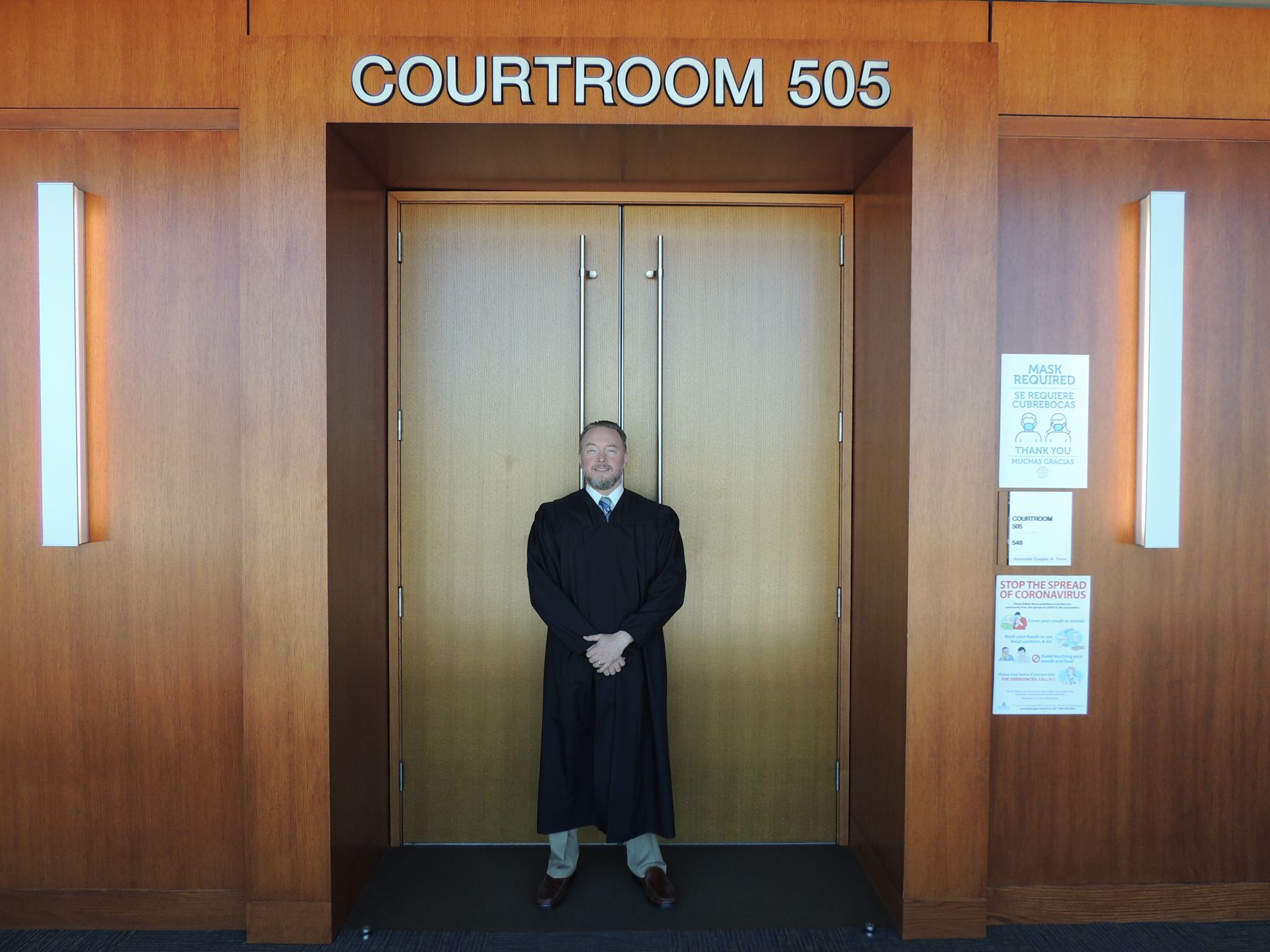
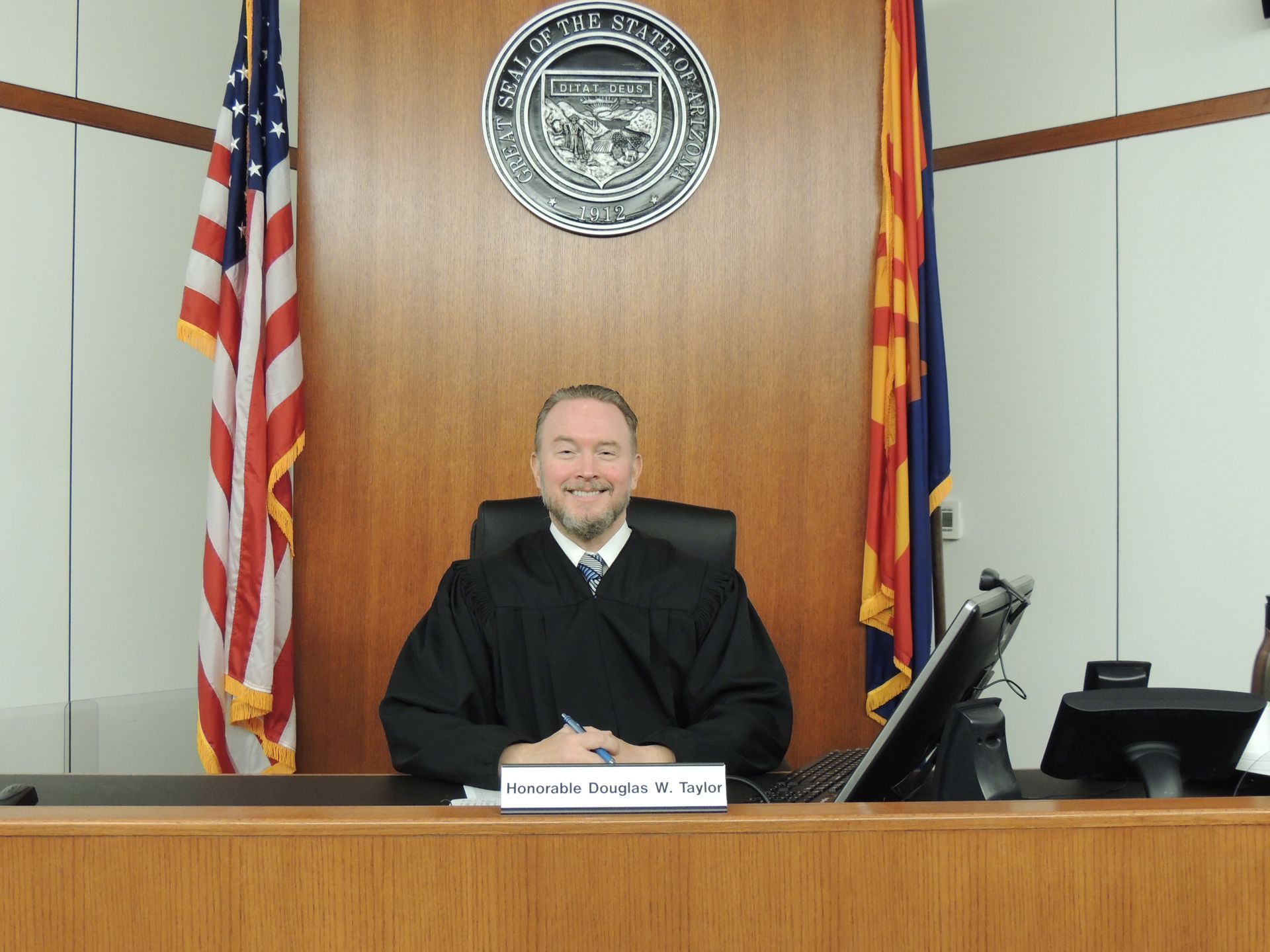
This page has been written, edited, and reviewed by our owner, Doug Taylor, who has 25+ years of legal experience as a former Pima County judge and elected official, and a criminal and DV defense and restraining order lawyer. Our last modified date shows when this page was last reviewed.
Why Hiring a Former Judge Can Make the Difference in Your Domestic Violence Case in Tucson
Domestic violence cases in Arizona move faster, hit harder, and carry more long-term consequences than almost any other misdemeanor or felony. A single allegation can affect your freedom, your home, your parental rights, your employment, your gun rights, and your reputation — even before you set foot in a courtroom — let alone get convicted of anything.
What most people do not realize is this:
In domestic violence cases, the judge has more discretion than almost any other official in the courtroom.
That means the person who understands judicial decision-making from the inside — the pressures, the risk assessment factors, the credibility analysis, the statutory limits, the unspoken norms — has a significant advantage when defending you.
As a former Pima County Judge, I have presided over countless hearings involving domestic violence, protective orders, and emergency release conditions. Today, I use that perspective to defend clients facing allegations across Tucson, Pima County, Cochise County, Pinal County, and Santa Cruz County. I have seen every stage of this system from both sides, and that unique experience fundamentally shapes how I defend these cases.
Here’s what you need to know:
1. Arizona Domestic Violence Cases Move Fast — Sometimes Too Fast
When police respond to a domestic disturbance, they often arrest first and gather facts later. Arizona law pushes officers toward mandatory arrest when there is probable cause of a domestic violence offense. As a result, people are arrested every day in Tucson based on incomplete information, emotion-driven accusations, misunderstandings, and sometimes exaggerated or retaliatory statements.
What happens “minutes after the arrest” often affects what happens months later.
Release conditions, no-contact orders, home access restrictions, and firearm prohibitions can be imposed before any evidence is tested.
A defense attorney who understands this system must move quickly.
A former judge knows exactly what judges look for in the first 72 hours and how to position a case to avoid harsh restrictions and long-term harm.
2. Judges Rely Heavily on Credibility — even when evidence is thin
Domestic violence cases routinely come down to two things:
1. Credibility
2. Context
Judges are trained to read body language, tone, inconsistencies, emotional volatility, and underlying dynamics. They assess:
What is said
What is not said
How testimony fits (or doesn’t fit) the police report
Whether a witness appears rehearsed, uncertain, fearful, or retaliatory
Whether the alleged conduct fits typical DV patterns
A lawyer who has sat in that seat — who has evaluated credibility from the bench — can anticipate how the judge will weigh each piece of evidence and tailor your defense strategy accordingly.
That insight cannot be taught. It is slowly, carefully earned & learned through experience.
3. Protective Orders Are Often Weaponized — But They Can Be Defeated
Orders of Protection and Injunctions Against Harassment are civil orders, but their impact is criminal. They can:
Force you out of your home
Block you from seeing your children
Restrict your rights
Trigger new DV criminal charges if violated — even accidentally
Many people are shocked to learn that these orders can be issued without you present, based solely on one person’s claim.
As a former judge, I not only understand the legal standard behind these orders — I also understand their misuse.
I have issued them.
I have denied them.
I have quashed them.
And now, I vigorously defend clients against them.
Knowing how judges evaluate risk, danger indicators, and credibility allows me to challenge weak or unfair protective orders effectively.
4. Prosecutors Can Continue to Prosecute DV Cases Even When the Alleged Victim Doesn’t Want To
Many people believe that if the alleged victim recants or asks for the case to be dropped, the prosecution will simply dismiss it.
In Arizona, that is almost never true.
Domestic violence charges belong to the State of Arizona, not the alleged victim. Prosecutors regularly move forward without victim cooperation, relying instead on:
911 calls
Body-worn camera footage
Physical evidence
Prior statements
Third-party witnesses
A defense attorney must know how prosecutors evaluate:
“Lethality factors”
Past domestic violence history
Witness reliability
Risk of future harm
A former judge understands these frameworks intimately and uses that knowledge to craft strategic approaches that aim for dismissal, reduction, or alternative resolutions.
5. A Former Judge Understands the “Hidden” Factors That Drive DV Outcomes
There are elements of domestic violence cases that lawyers often overlook — but judges never do.
These include:
Emotional volatility between partners
Power dynamics
Substance involvement
Prior incidents that never resulted in charges
Whether someone is using the legal system strategically (divorce leverage, custody disputes, retaliation, etc.)
The likelihood of re-offense
The stability of the defendant’s life, employment, and relationships
When your attorney understands how these factors play into judicial decision-making, your defense becomes more precise, more persuasive, and more effective.
6. The Stakes Could Not Be Higher — Your Life Can Change in One Hearing
Domestic violence cases affect more than your criminal record. They impact:
Family law proceedings
Housing
Employment
Immigration status
Gun rights
Professional licenses
A conviction — even for a misdemeanor — can follow you permanently.
A protective order can destroy your standing in a custody case.
Having a defense attorney with judicial insight isn’t a luxury. For many people, it is the difference between protecting their future and losing control of their life.
7. You Deserve a Defense From Someone Who Understands This System from the Inside
At Taylor Law Group, PLLC, we provide:
Strategic domestic violence defense
Aggressive protective order representation
Daily court coverage across Southern Arizona
Personalized case strategy and preparation
Direct communication with your attorney — not intermediaries
Insight from a former Pima County Judge who understands the system better than most
Domestic violence cases are intimidating. The emotions are high. The consequences are real. But the right defense strategy — led by the right attorney — can change everything.
If You’re Facing a Domestic Violence Charge or Protective Order in Tucson, I Can Help
Your future, your freedom, and your family are too important to leave to chance.
Call (520) 440–5635 or visit Taylor Law Group, PLLC — Tucson, Arizona @ https://www.douglaswtaylor.com/domestic-violence
Domestic Violence • Protective Orders • Criminal Defense
Search our site
Categories
FOLLOW US