Arizona
Rule 32 and
Rule 33 proceedings provide a way to challenge certain criminal convictions or sentences after a case has concluded. Unlike a direct appeal, post-conviction relief is a limited legal proceeding based upon specific grounds recognized under Arizona law.
Every case is unique. Some claims must be raised within strict deadlines, while others may remain available years after a conviction. Determining whether post-conviction relief may still be pursued requires careful analysis of the trial record, procedural history, and current Arizona law.
Rule 32
PCR proceedings address errors which may have occurred at a trial.
Rule 33
PCR proceedings address errors which may have occurred during the proceedings leading up to a guilty plea.
Rule 32/33 PCR petitions often focus on:
- Constitutional violations
- Ineffective assistance of counsel
- Newly discovered evidence
- Significant changes in the law
- Illegal sentences
- Other post-conviction grounds recognized under Arizona law
Arizona post-conviction proceedings are highly procedural. Whether relief remains available often depends upon the type of conviction, the procedural history of the case, applicable filing deadlines, and the specific legal grounds asserted.
Many people mistakenly believe that once a conviction becomes final, every legal option disappears.
While Arizona law imposes important procedural requirements and filing deadlines, some claims remain available long after sentencing. Other claims may be permanently barred if they are not raised properly or within the required time.
An early review of your case can help determine whether post-conviction relief remains available, identify the strongest legal grounds for relief, and avoid mistakes that could affect important rights
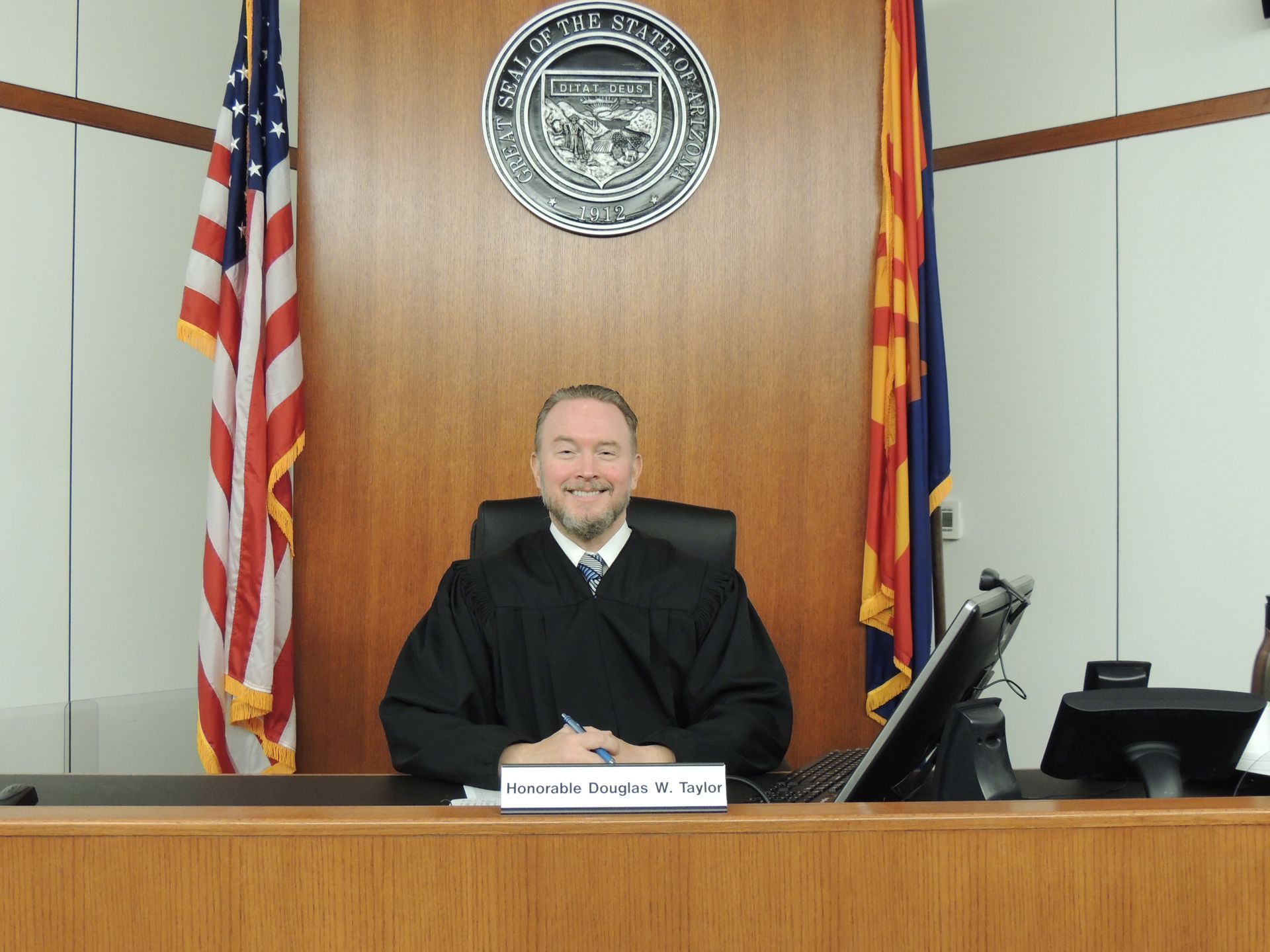
As a former Pima County Judge, Doug Taylor understands how courts evaluate post-conviction petitions.
Judges reviewing these requests often focus on:
• Procedural compliance
• Legal merit
• Rehabilitation efforts
• Eligibility requirements
• Supporting documentation
• Timing considerations
• Credibility
• Interests of justice
A well-prepared PCR petition supported by documentation generally receives far more serious consideration than a request lacking legal or factual support.
Judges evaluating Rule 32 and Rule 33 petitions are not deciding whether they would have reached a different verdict. They are determining whether the petition presents a legally recognized claim, supported by credible facts and applicable law. Understanding that distinction often shapes the strongest post-conviction petitions.
That perspective helps clients avoid common mistakes and present stronger applications for relief.
What is post-conviction relief?
Post-conviction relief is a legal process that may allow an eligible person to challenge a criminal conviction or sentence after the case has concluded. In Arizona, Rule 32 and Rule 33 proceedings address specific claims recognized by law, including ineffective assistance of counsel, newly discovered evidence, constitutional violations, unlawful sentences, significant changes in the law, and certain claims of actual innocence. Post-conviction relief is different from record sealing, setting aside a conviction, and restoring civil or firearm rights.
What is the difference between Arizona Rule 32 and Rule 33?
Rule 32 generally governs post-conviction relief for defendants convicted after a trial or sentenced following a contested probation-violation hearing. Rule 33 generally applies to defendants who pleaded guilty or no contest, admitted a probation violation, or received an automatic probation violation based upon a plea. Both rules provide limited procedures for raising specific post-conviction claims and are distinct from direct appeals.
Is post-conviction relief the same as an appeal?
No. A direct appeal generally asks a higher court to review claimed legal errors occurring in the trial court. A Rule 32 or Rule 33 proceeding is a separate, narrowly tailored collateral challenge based upon specific grounds recognized under Arizona law. Taylor Law Group handles Arizona state post-conviction relief proceedings but does not handle direct appeals or federal habeas corpus matters.
Can I seek post-conviction relief if my direct appeal has ended?
Possibly. The conclusion of a direct appeal does not necessarily prevent an eligible person from seeking relief under Rule 32. However, the claims available may depend upon what was previously raised, what could have been raised, applicable filing deadlines, and whether an exception applies. The complete procedural history must be reviewed before determining whether a viable claim remains.
Can I seek post-conviction relief after pleading guilty?
Possibly. Arizona Rule 33 provides a post-conviction process for eligible defendants who pleaded guilty or no contest. Relief is not available merely because someone regrets accepting a plea agreement. A claim must be based upon a legally recognized ground and must comply with Arizona’s procedural and filing requirements.
Can ineffective assistance of counsel support a PCR petition?
Yes, in appropriate cases. A defendant may claim that prior counsel’s performance fell below constitutionally required standards and caused legally significant prejudice. Disagreement with an attorney’s strategy or dissatisfaction with the result is not automatically enough. The claim must be supported by specific facts, applicable law, and evidence showing how counsel’s deficient performance affected the case.
Can newly discovered evidence reopen a criminal case?
Newly discovered evidence may support post-conviction relief when it satisfies Arizona’s legal requirements. The evidence generally must have existed at the time of the case, been discovered afterward despite reasonable diligence, and be sufficiently significant that it probably would have affected the verdict or sentence. Evidence that is merely cumulative, impeaching, or unlikely to change the outcome may not qualify.
How long do I have to file for post-conviction relief in Arizona?
The applicable deadline depends upon whether the case falls under Rule 32 or Rule 33, the type of claim being raised, and the procedural history of the case. Some claims are subject to strict filing deadlines, while certain other claims must be brought within a reasonable time after their basis is discovered. Because delay can result in waiver or preclusion, the case should be evaluated as early as possible.
Can post-conviction relief change or correct a sentence?
Potentially. Post-conviction relief may be available when a sentence was not authorized by law, exceeded the legally permitted range, or was imposed in violation of constitutional or procedural requirements. A sentence is not subject to modification merely because it feels excessive or unfair. The sentencing record and applicable law must be reviewed to determine whether a recognized claim exists.
What is the difference between record sealing and setting aside a conviction?
Record sealing limits public access to eligible criminal case records. A set aside releases an eligible person from certain penalties and disabilities resulting from a conviction and reflects that the judgment has been set aside, but it does not automatically seal or erase the record. Eligibility and legal consequences depend upon the offense, the completion of the sentence, and Arizona law.
Can civil rights or firearm rights be restored after an Arizona conviction?
In some cases. Eligibility depends upon factors including the offense, criminal history, completion of the sentence, payment of required restitution, and the specific right being requested. Civil-rights restoration and firearm-rights restoration are separate legal remedies, and restoration of general civil rights does not necessarily restore the right to possess firearms.