
How Much Does a Theft Lawyer Cost in Tucson?
For many theft and shoplifting cases in Tucson, private attorney fees may range from approximately $2,000 to $15,000 or more, depending upon whether the charge is a misdemeanor or felony, the value and type of property involved, the evidence, prior history, and whether the case proceeds to trial.
A useful working estimate is:
• Misdemeanor theft or shoplifting: approximately $2,000 to $5,000
• Felony theft: approximately $5,000 to $15,000 or more
• More complex felony property cases: may exceed that range depending upon the charge and evidence
• Additional trial fee: sometimes approximately $5,000 to $15,000 or more
These are estimated market ranges supplied for this page—not an official Tucson fee schedule or a Taylor Law Group quote. The actual fee depends upon the charge, alleged property value, criminal history, amount of evidence, number of witnesses, restitution issues, motion practice, and whether the case resolves before trial.
Douglas W. Taylor, Sr. is a former Pima County judge with more than 25 years of criminal-law experience. Before representation begins, clients should receive a clear explanation of the anticipated work and applicable fee arrangement.
Written by the team at Taylor Law Group, PLLC and reviewed by Doug Taylor, former Pima County judge and theft crimes defense attorney.
Last updated: August 10, 2026
What Determines the
Cost
of a THEFT Defense?
Arizona property crimes range from relatively straightforward misdemeanor shoplifting allegations to serious felony theft prosecutions involving substantial property values, business records, multiple alleged victims, or extensive digital evidence.
Several factors commonly affect the legal fee.
Theft or Shoplifting Charge
Arizona treats theft and shoplifting under different statutes.
A.R.S. § 13-1802 defines numerous forms of theft, including knowingly controlling another person’s property with intent to deprive, misusing entrusted property, obtaining services without payment, or controlling stolen property under specified circumstances.
Shoplifting is governed separately by A.R.S. § 13-1805 and concerns obtaining goods from a retail establishment with intent to deprive the merchant through specified conduct.
The exact charge matters because the elements, classification, defenses, and sentencing exposure may differ.
Value of the Property
Property value often affects the classification of the charge.
Under current Arizona law, theft of property or services valued at less than $1,000 is generally a Class 1 misdemeanor, subject to statutory exceptions. Higher values can elevate theft into felony classifications.
Shoplifting follows its own classification structure. For example, shoplifting property valued at less than $1,000 is generally a Class 1 misdemeanor unless an exception applies, while higher values may result in felony charges.
The alleged value therefore affects both potential penalties and the amount of defense work required.
Evidence of Intent
Many theft cases depend heavily upon whether the State can prove intent.
The defense may need to evaluate:
• Whether the property was knowingly taken
• Whether there was intent to permanently deprive
• Whether the defendant believed the property belonged to them
• Whether there was permission or authorization
• Whether the conduct resulted from mistake or misunderstanding
• Whether another person exercised control over the property
• Whether statements made to police are reliable or admissible
Intent is rarely proven by reading a defendant’s mind. Prosecutors usually rely upon circumstantial evidence, and that evidence must be examined carefully.
Surveillance and Digital Evidence
Theft and shoplifting cases frequently involve:
• Store surveillance video
• Security-camera recordings
• Body-camera footage
• Receipts
• Inventory records
• Point-of-sale data
• Text messages
• Emails
• Social-media communications
• Bank or credit-card records
• GPS or location information
Large amounts of electronic evidence may significantly increase the time required to analyze the case.
Restitution
Restitution may become an important issue in a theft case.
The alleged loss amount may affect:
• Charge classification
• Plea negotiations
• Sentencing
• Probation conditions
• Resolution strategy
Paying or offering restitution should not be done casually or without legal advice, because admissions or payments may have unintended consequences.
Prior Criminal History
Prior theft-related or other criminal convictions may affect:
• Plea negotiations
• Diversion eligibility
• Sentencing exposure
• Probation options
• Prosecutorial discretion
• Whether the case is viewed as isolated or repeated conduct
The complete criminal history should be reviewed before strategy is developed.
Can Diversion Help Avoid a Conviction?
Possibly.
Tucson and Pima County prosecutors offer various diversion programs for eligible defendants, but eligibility is controlled by the prosecuting agency and depends upon the offense, criminal history, victim issues, restitution, and program requirements. Tucson City Court explains that successful completion of diversion can result in dismissal of criminal charges, but the prosecutor decides whether a defendant qualifies.
That means diversion should never be promised.
A lawyer may evaluate:
• Whether the charge is eligible
• Whether the prosecutor is willing to offer diversion
• Whether restitution is required
• Whether classes or counseling are required
• Whether the program will actually result in dismissal
• Whether another resolution may be better
For an eligible first-time theft or shoplifting defendant, diversion can be an important option because it may avoid a conviction altogether.
How Do THEFT Lawyers
Charge?
Theft-defense lawyers commonly use flat fees, hourly billing, or hybrid arrangements.
Flat Fee
A flat fee is a set amount covering the stage or scope identified in the written agreement.
It may include:
• Initial appearances
• Disclosure review
• Pretrial conferences
• Negotiations
• Specified motions
• Resolution before trial
Trial, investigators, experts, or separate civil matters may be excluded.
Hourly Fee
Under hourly billing, the client generally deposits funds into a trust account and the attorney bills against them as work is performed.
Hourly billing may cost less when a case resolves quickly but more when extensive evidence, motion practice, witnesses, or trial preparation become necessary.
Hybrid Fee
A hybrid agreement may use a flat fee for pretrial work and a separate fee if the case proceeds to trial.
The important question is not merely the fee amount. It is exactly what the fee includes.
What May Cost
Extra?
Possible additional expenses may include:
• Private investigators
• Forensic accountants
• Business-record analysis
• Expert valuation evidence
• Digital-forensics review
• Certified records
• Transcripts
• Travel
• Trial fees
• Appeals or post-conviction proceedings
Ask which costs are included and which are billed separately.
What Do You Receive for the Legal Fee?
A theft lawyer’s work may include:
• Reviewing police reports and disclosure
• Examining surveillance video
• Reviewing receipts and transaction records
• Evaluating ownership and authorization
• Investigating intent
• Interviewing witnesses
• Challenging property valuation
• Examining statements made to police
• Addressing restitution strategically
• Evaluating diversion eligibility
• Negotiating with the prosecutor
• Filing appropriate motions
• Preparing witnesses and exhibits
• Presenting the case at trial
The real value lies in identifying weaknesses in the State’s evidence and developing the best resolution or defense available under the facts.
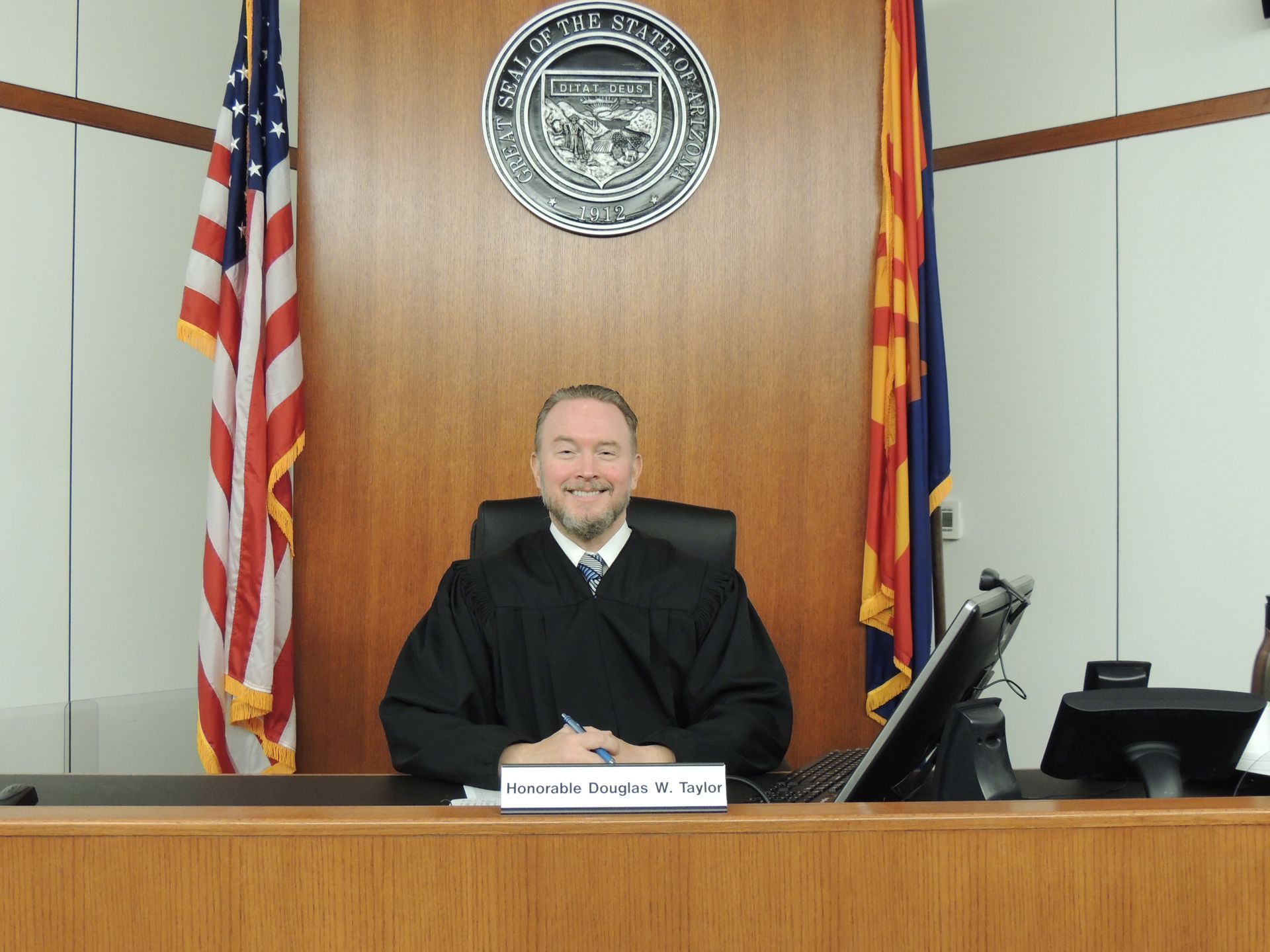
FORMER JUDGE INSIGHT
Theft cases often look simple on paper: property was missing, someone was accused, and police made an arrest.
They are frequently more complicated.
Having served as a Pima County judge, I understand that courts must evaluate intent, ownership, authorization, value, credibility, and the reliability of the evidence—not merely whether property changed hands.
A surveillance clip, receipt, witness statement, or text message may completely change how the case looks.
Why the Cheapest THEFT Lawyer May Cost More in the End
Price matters. It should not be the only consideration.
A theft conviction may affect:
• Employment
• Professional licensing
• Housing
• Immigration status
• Financial positions of trust
• Security clearances
• Future sentencing exposure
• Reputation
Theft offenses can be especially damaging in occupations involving money, property, fiduciary responsibility, or trust.
A low fee may provide little value if it excludes investigation, evidence review, motion practice, or trial preparation.
Questions to Ask Before Hiring a THEFT Lawyer
Before signing an agreement, ask:
• Is the fee flat, hourly, or hybrid?
• What stage of the case does it cover?
• Is trial included?
• Am I eligible for diversion?
• Are restitution issues included?
• Will surveillance and digital evidence be reviewed?
• Are investigators or experts included?
• Who will personally handle my case?
• What additional expenses may arise?
• Is a payment plan available?
The goal is to compare the actual scope and quality of representation—not merely the advertised price.
Real Example: The Same THEFT Charge Can Require Different Work
Two defendants are each accused of stealing property valued at approximately the same amount.
The first is accused of taking merchandise from a store, and the incident is captured clearly on surveillance video.
The second is accused of taking property from a former employer but claims the property had been entrusted to them and that they believed they were authorized to possess it. The case involves emails, employment records, witnesses, and disputed valuation.
Although both cases may initially be labeled “theft,” the second requires substantially more factual investigation and legal analysis.
That is why an accurate fee cannot be determined from the word “theft” alone.
Frequently Asked Questions
How much does a theft lawyer cost for a misdemeanor case in Tucson?
A private attorney’s fee for a misdemeanor theft or shoplifting case may fall approximately between $2,000 and $5,000, based upon the estimated market range supplied for this page. The actual fee depends upon the evidence, court, required hearings, restitution issues, and whether the case proceeds to trial.
How much does a felony-theft lawyer cost?
A felony-theft defense may cost approximately $5,000 to $15,000 or more, depending upon the value involved, felony classification, evidence, witnesses, experts, motions, and trial preparation.
What makes theft a felony in Arizona?
Property value is an important factor, but it is not the only one. Arizona statutes contain different classifications and exceptions depending upon the type of property and conduct alleged.
Is shoplifting the same as theft?
No. Arizona has a separate shoplifting statute, A.R.S. § 13-1805, with its own elements and classifications.
Can diversion get my theft charge dismissed?
Potentially. Eligible defendants may be offered diversion, and successful completion can result in dismissal. The prosecutor determines eligibility, and no particular outcome can be guaranteed.
Should I pay restitution before my case is resolved?
Not without discussing it with your attorney. Restitution may be relevant to negotiation or sentencing, but payments or communications can also have legal consequences.
Are investigator or expert costs included?
They may not be. Investigators, valuation experts, forensic accountants, or digital-forensics specialists may be separate expenses. Confirm what is included in writing.
Do Tucson theft lawyers offer payment plans?
Some firms do. Down payments, installment schedules, and requirements vary. Ask for complete written terms before signing an agreement.
Will the case cost more if it goes to trial?
Usually. Trial requires substantially more preparation and courtroom time, and many lawyers charge a separate trial fee beyond the initial pretrial representation fee.
When should I hire a theft lawyer?
As early as possible. Surveillance video, receipts, witness information, transaction records, and other evidence may need to be preserved before they disappear.
SPEAK WITH A FORMER JUDGE ABOUT YOUR TUCSON THEFT CASE
A theft allegation can affect far more than the immediate criminal case—especially when employment, professional licensing, finances, or reputation depend upon trust.
Douglas W. Taylor, Sr. is a former Pima County judge with more than 25 years of criminal-law experience representing clients accused of theft, shoplifting, and other criminal offenses throughout Tucson and Southern Arizona.
Taylor Law Group, PLLC can review the allegations, evidence, valuation, restitution issues, possible diversion, and anticipated scope and cost of representation.
Call (520) 440-5635 to set up your free consultation.
This page provides general information about Tucson theft-defense fees. It is not legal advice, does not guarantee diversion, dismissal, a particular outcome, or a particular fee, and does not create an attorney-client relationship.