
How Much Does an Assault Lawyer Cost in Tucson?
For many misdemeanor assault cases in Tucson, private defense fees may range from approximately $2,500 to $7,500. Aggravated assault is a felony and may cost substantially more, particularly when the allegations involve a weapon, serious injury, multiple witnesses, expert evidence, extensive motion practice, or trial.
A useful working estimate is:
• Misdemeanor assault case: approximately $5,000 to $9,500
• Aggravated-assault case: approximately $12,000 to $25,000 or more
• Additional trial fee: approximately $5,000 to $15,000 or more
These figures are estimated market ranges supplied for this page—not an official Tucson fee schedule or a Taylor Law Group quote. The actual fee depends upon the charge, injuries alleged, evidence, witnesses, criminal history, court, expert needs, motion practice, and whether the case resolves before trial.
Douglas W. Taylor, Sr. is a former Pima County judge with more than 25 years of criminal-law assault defense experience. Before representation begins, clients should receive a clear explanation of the anticipated work and applicable fee arrangement.
Written by the team at Taylor Law Group, PLLC and reviewed by Doug Taylor, former Pima County judge and assault defense attorney.
Last updated: August 6, 2026
What Determines the
Cost
of aN ASSAULT DEfense?
The words “assault charge” can describe cases with dramatically different facts and potential consequences.
Under A.R.S. § 13-1203, Arizona assault may involve:
• Intentionally, knowingly, or recklessly causing physical injury
• Intentionally placing another person in reasonable apprehension of imminent physical injury
• Knowingly touching another person with the intent to injure, insult, or provoke
The classification may range from a Class 1 to a Class 3 misdemeanor, depending upon the conduct alleged.
Several factors commonly affect the defense fee.
Misdemeanor or Felony Charge
A misdemeanor assault generally requires less litigation than an aggravated-assault prosecution.
Under A.R.S. § 13-1204, an assault may become aggravated under numerous circumstances, including allegations involving serious physical injury, a deadly weapon or dangerous instrument, certain protected victims, restraint, substantial disfigurement, or other statutory factors. Depending upon the subsection, aggravated assault may range from a Class 6 up to a Class 2 felony.
Injuries and Medical Evidence
The nature and extent of any alleged injury can significantly affect the charge and the amount of work required.
The defense may need to evaluate:
• Emergency-room or hospital records
• Photographs
• Medical diagnoses
• Causation of the alleged injury
• Preexisting conditions
• Whether an injury qualifies as “serious physical injury”
• Independent medical or forensic opinions
A case involving disputed or severe injuries may require expert consultation and substantially more preparation.
Weapons or Dangerous Instruments
An allegation involving a firearm, knife, vehicle, household object, or other alleged weapon may elevate the charge and create additional legal and evidentiary issues.
The defense may need to examine:
• Whether the item legally qualifies as alleged
• Who possessed or controlled it
• Whether it was actually used or displayed
• Witness descriptions
• Fingerprint, DNA, video, or photographic evidence
• Self-defense or defense-of-another issues
Witnesses and Digital Evidence
Many assault cases involve sharply conflicting accounts.
Potential evidence may include:
• Body-camera recordings
• 911 calls
• Surveillance video
• Cellphone recordings
• Text messages
• Social-media communications
• Medical records
• Photographs
• Independent witnesses
• Statements made before and after the incident
Cases involving numerous witnesses or substantial electronic evidence generally require more investigation and review.
Self-Defense or Defense of Another
Arizona law permits the use or threat of physical force when and to the extent a reasonable person would believe it immediately necessary to protect against another person’s use or attempted use of unlawful physical force. Verbal provocation alone does not ordinarily justify physical force. Arizona also recognizes defense of a third person under qualifying circumstances.
A self-defense case may require careful analysis of:
• Who used or threatened force
• Whether the perceived danger was immediate
• Whether the amount of force was reasonable
• Injuries suffered by both parties
• Relative size, strength, or numbers
• Witness credibility
• Video or audio evidence
• Whether the defendant’s account is consistent with the physical evidence
Resolution or Trial
A case resolved through dismissal, reduction, negotiation, or another pretrial disposition generally requires less work than a contested trial.
Trial preparation may include:
• Witness interviews
• Medical or forensic experts
• Exhibit preparation
• Pretrial motions
• Evidentiary hearings
• Jury instructions
• Cross-examination planning
• Multiple days in court
That additional preparation explains why trial is frequently priced separately.
How
Do ASSAULT Lawyers Charge?
Assault-defense lawyers typically use flat fees; however, in certain instances hourly billing or hybrid arrangements may be used.
Flat Fee
A flat fee is a set amount covering the stage or scope identified in the written fee agreement.
It may include:
• Initial appearances
• Disclosure review
• Pretrial conferences
• Negotiations
• Specified motions
• Resolution before trial
Trial, experts, investigators, or related proceedings may be excluded. The agreement should identify exactly what is included.
Hourly Fee
Under hourly billing, the client generally deposits money into a trust account and the attorney bills against it as work is performed.
Hourly billing may cost less if the case resolves quickly but substantially more if extensive investigation, motions, hearings, or trial preparation become necessary.
Hybrid Fee
A hybrid agreement may charge a flat fee for pretrial representation and an additional flat or hourly fee if the case proceeds to an evidentiary hearing or trial.
The structure matters less than clarity. The client should know the scope, exclusions, additional expenses, and events that trigger another fee.
What May Cost
Extra?
Certain litigation expenses may be separate from the attorney’s fee.
Possible additional costs include:
• Private investigators
• Medical experts
• Use-of-force experts
• Accident or scene reconstruction
• Independent laboratory testing
• Medical-record retrieval
• Transcripts
• Digital-evidence analysis
• Travel outside the ordinary service area
• Trial fees
• Appeals or post-conviction proceedings
Ask whether these expenses are included, advanced and later reimbursed, or paid directly by the client.
What Do You Receive for the Legal Fee?
An assault lawyer’s work extends well beyond appearing in court.
Depending upon the case, representation may include:
• Reviewing police reports and disclosure
• Examining body-camera and surveillance footage
• Preserving text messages, photographs, recordings, and other evidence
• Interviewing witnesses
• Reviewing medical evidence
• Evaluating self-defense or defense of another
• Investigating whether the alleged injuries match the accusation
• Challenging unlawful searches, seizures, or statements
• Addressing release conditions and no-contact orders
• Negotiating with the prosecutor
• Filing appropriate motions
• Preparing witnesses and exhibits
• Presenting the case at trial
The value lies in identifying the factual, legal, medical, and credibility issues that may affect the outcome—not merely attending scheduled hearings.
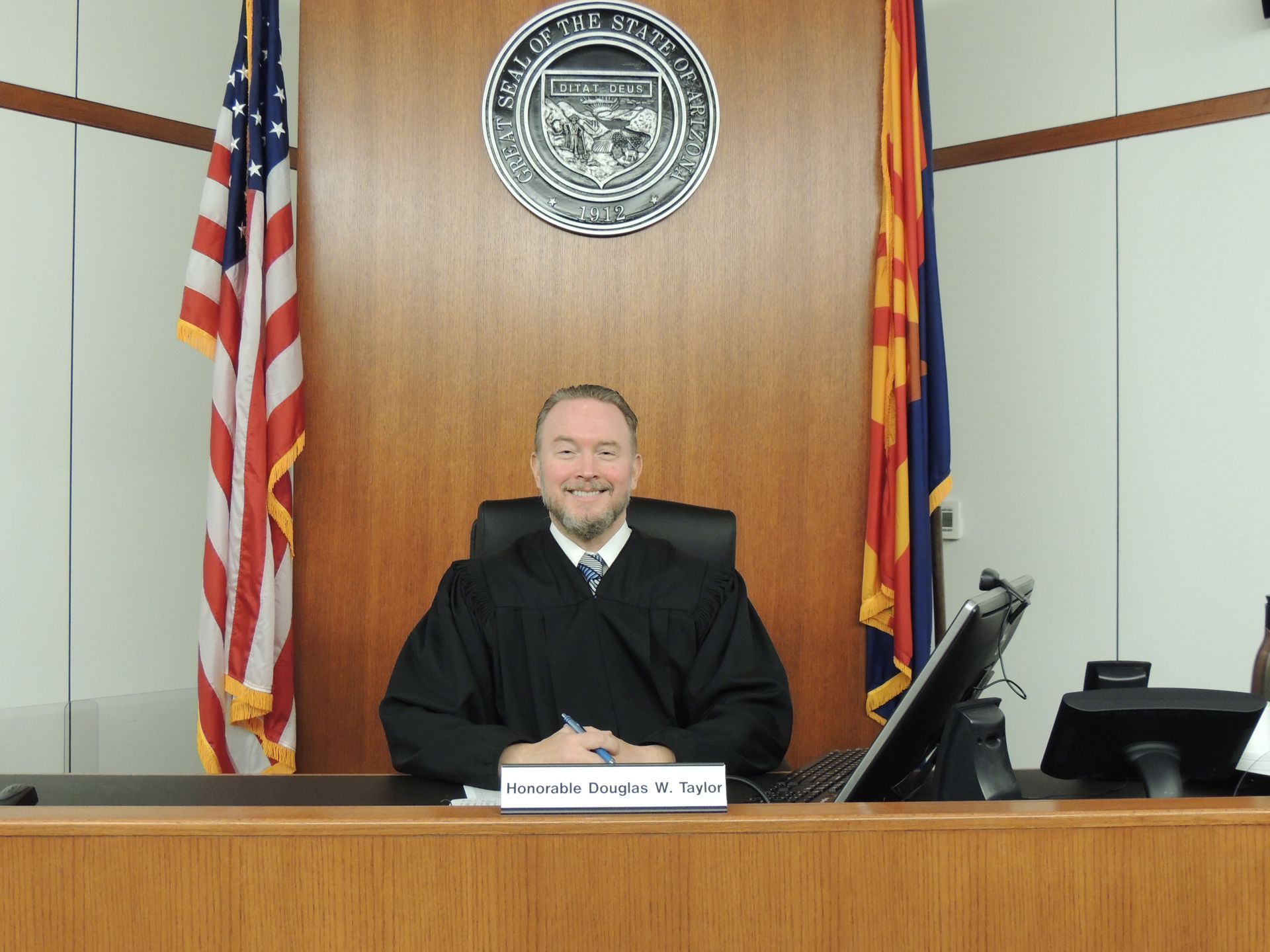
FORMER JUDGE INSIGHT
Assault cases often arrive in court with two entirely different versions of the same event.
Having served as a Pima County judge, I understand that courts do not decide these cases merely by identifying who called the police first or who spoke most forcefully. Judges and juries evaluate credibility, injuries, witness accounts, video, prior statements, physical evidence, and whether the State has proven each required element.
Self-defense may be central to the case, but it must be developed through evidence—not simply asserted.
Why the Cheapest Lawyer May Cost More in the End
Price matters. It should not be the only consideration.
An assault conviction may affect:
• Employment
• Professional licensing
• Housing
• Immigration status
• Firearm rights in some cases
• Security clearances
• Family-court or protective-order proceedings
• Future sentencing exposure
• Reputation
A low initial fee may provide little value if it excludes investigation, medical review, important motions, expert consultation, or trial preparation.
The better question is not merely, “Who charges the least?”
It is, “What work, access, preparation, and experience does the fee actually include?”
Questions to Ask Before Hiring aN ASSAULT Lawyer
Before signing a fee agreement, ask:
• Is the fee flat, hourly, or hybrid?
• What precise stage of the case does it cover?
• Is trial included?
• Are evidentiary hearings and motions included?
• Will the lawyer personally review video and medical evidence?
• Who will handle the case?
• Are investigators or expert witnesses included?
• What additional expenses may arise?
• Is a payment plan available?
• What happens if the case resolves earlier than expected?
A clear answer to each question allows you to compare the actual representation—not merely the advertised price.
Real Example: Similar Charges Can Require Very Different Work
Two people are each charged with misdemeanor assault.
In the first case, the incident was recorded clearly on surveillance video, no significant injury occurred, and only two witnesses were involved.
In the second case, both parties claim self-defense, each reports injuries, several witnesses provide conflicting accounts, cellphone video captures only part of the encounter, and medical records require review.
Although the charging labels appear identical, the second case requires substantially more investigation, evidence analysis, witness preparation, and litigation.
That is why an accurate fee cannot be determined from the word “assault” alone.
Frequently Asked Questions
How much does an assault lawyer cost for a misdemeanor case in Tucson?
A private attorney’s fee for a misdemeanor assault case may fall approximately between $5,000 and $9,500, based upon the estimated market range supplied for this page. The actual fee depends upon the facts, evidence, court, required hearings, and whether the case proceeds to trial.
How much does an aggravated-assault lawyer cost?
An aggravated-assault defense may cost approximately $12,000 to $25,000 or more, depending upon the felony classification, alleged injuries, weapons, witnesses, expert needs, motions, and trial preparation.
Why does aggravated assault cost more?
Aggravated assault is a felony and may involve serious injury, weapons, protected victims, extensive evidence, expert testimony, greater motion practice, and substantially greater sentencing exposure.
Can self-defense get an assault charge dismissed?
Potentially. A supported self-defense claim may contribute to dismissal, reduction, acquittal, or another favorable outcome, but no result can be guaranteed. The defense depends upon the facts and evidence.
What if the other person started the fight?
That fact may be important, but it does not automatically resolve the case. The court must examine what force was threatened or used, whether defensive force was immediately necessary, and whether the amount of force used was reasonable.
Is the lawyer’s fee the only cost?
No. Additional expenses may include investigators, experts, medical records, court assessments, treatment, lost income, and collateral consequences.
Are expert-witness costs included?
They may not be. Medical, use-of-force, reconstruction, or other experts are frequently separate expenses. Confirm what is included in writing.
Do Tucson assault lawyers offer payment plans?
Some firms do. Down payments, installment schedules, and requirements vary. Ask for complete written terms before signing an agreement.
Will the case cost more if it goes to trial?
Usually. Trial requires substantial preparation and courtroom time. Many lawyers charge a separate trial fee beyond the initial pretrial representation fee.
When should I hire an assault lawyer?
As early as possible. Surveillance footage, witness information, photographs, medical evidence, and electronic communications should be preserved before they disappear.
SPEAK WITH A FORMER JUDGE ABOUT YOUR TUCSON ASSAULT CASE
You should receive a clear explanation of the allegations, possible defenses, anticipated work, and applicable fee before deciding how to proceed.
Douglas W. Taylor, Sr. is a former Pima County judge with more than 25 years of criminal-law experience representing clients accused of assault, aggravated assault, and other criminal offenses throughout Tucson and Southern Arizona.
Taylor Law Group, PLLC offers confidential consultations to discuss the evidence, self-defense issues, possible consequences, scope of representation, and fee arrangement.
Call (520) 440-5635 to set up your free consultation.
This page provides general information about Tucson assault-defense fees. It is not legal advice, does not establish a guaranteed fee or outcome, and does not create an attorney-client relationship.