
How Much Does a Drug Crime Lawyer Cost in Tucson?
For many drug-crime cases in Tucson, private defense fees may range from approximately $5,000 to $50,000. A relatively straightforward possession or paraphernalia case will typically fall near the lower end. A serious felony involving alleged sale, transportation, manufacturing, substantial quantities, extensive search-and-seizure litigation, involving co-conspirators or money laundering, or trial may cost considerably more.
A useful working estimate is:
• Lower-level possession or paraphernalia case: approximately $5,000 to $7,500
• Felony drug-possession case: approximately $8,000 to $15,000
• Sale, transportation, manufacturing, or possession-for-sale case: approximately $12,000 to $25,000 or more
• Additional trial fee: typically approximately $5,000 to $15,000 or more
These are estimated market ranges supplied for this page—not an official Tucson fee schedule or a Taylor Law Group quote. The actual fee depends upon the charge, substance, alleged quantity, criminal history, evidence, number of hearings, expert needs, constitutional issues, and whether the case resolves before trial.
Douglas W. Taylor, Sr. is a former Pima County judge with more than 25 years of criminal-law drug crimes experience. Before representation begins, clients should receive a clear explanation of the anticipated work and applicable fee arrangement.
Written by the team at Taylor Law Group, PLLC and reviewed by Doug Taylor, former Pima County judge and drug crimes defense attorney.
Last updated: August 5, 2026
What Determines the
Cost
of a DRUG CRIME DEfense?
Arizona drug cases vary enormously in seriousness and complexity.
The defense of a personal-possession allegation may require substantially less work than a prosecution involving possession for sale, transportation for sale, manufacturing, multiple defendants, confidential informants, search warrants, extensive laboratory evidence, or contested electronic communications.
Several factors commonly affect the legal fee.
The Charge and Alleged Conduct
The fee may depend upon whether the prosecution alleges:
• Personal possession or use
• Possession of drug paraphernalia
• Possession for sale
• Sale or transfer
• Transportation or importation for sale
• Manufacturing
• Administration of a controlled substance
• Prescription-drug fraud or unlawful acquisition
• Drug activity within a drug-free school zone
Arizona uses different statutes for marijuana, prescription-only drugs, dangerous drugs, narcotic drugs, and drug paraphernalia. The prohibited conduct and possible classifications vary by statute.
The Substance and Alleged Quantity
The type and alleged amount of the substance can affect the charge, sentencing exposure, plea options, and amount of preparation required.
A case involving personal possession may present very different issues from one in which prosecutors allege an intent to sell based upon quantity, packaging, cash, communications, scales, or other circumstantial evidence.
Search-and-Seizure Issues
Many drug cases turn upon how officers discovered the evidence.
Potential questions include:
• Was the traffic stop lawful?
• Did officers unlawfully prolong the detention?
• Was consent to search actually voluntary?
• Did the search exceed the scope of consent?
• Was a warrant supported by probable cause?
• Did an exception to the warrant requirement apply?
• Can the State prove that the defendant knowingly possessed the substance?
When constitutional issues exist, motions, evidentiary hearings, and extensive legal research may increase the work required.
Laboratory and Expert Evidence
The defense may need to evaluate:
• Laboratory reports
• Substance identification
• Weight and measurement
• Chain of custody
• Testing methodology
• Evidence packaging and storage
• Contamination or handling issues
• Independent laboratory analysis
Cases involving contested scientific evidence may require consultation with a forensic chemist or another qualified expert.
Prior Record and Sentencing Exposure
Prior convictions may affect plea negotiations, probation eligibility, sentencing exposure, and overall strategy.
Arizona’s Proposition 200 statute generally provides probation and treatment for qualifying convictions involving personal possession or use of controlled substances or drug paraphernalia, but it contains important exclusions. It does not cover possession for sale, manufacturing, production, or transportation for sale, and additional exclusions may apply based upon prior convictions, violent-crime history, treatment refusal, methamphetamine, or fentanyl.
Resolution or Trial
A case resolved through dismissal, diversion, negotiation, or another pretrial disposition generally requires less work than a contested trial.
Trial preparation may include:
• Witness interviews
• Expert consultation
• Exhibit preparation
• Laboratory review
• Suppression motions
• Jury instructions
• Cross-examination planning
• Multiple days in court
That additional preparation explains why trial is frequently priced separately.
How
Do DRUG-CRIMES Lawyers Charge?
Drug-defense lawyers commonly use flat fees, hourly billing, or hybrid arrangements.
Flat Fee
A flat fee is a predetermined amount covering the stage or scope described in the written fee agreement.
It may cover:
• Initial court appearances
• Disclosure review
• Pretrial conferences
• Negotiations
• Specified motions
• Resolution before trial
Trial, expert witnesses, investigators, or additional proceedings may be excluded. The agreement should state exactly what is included.
Hourly Fee
Under hourly billing, the client generally deposits funds into a trust account. The attorney bills against the deposit as work is performed.
Hourly billing may cost less if the case resolves quickly, but it may cost substantially more when extensive litigation becomes necessary.
Hybrid Fee
A hybrid agreement may use a flat fee for pretrial representation and an additional flat or hourly fee if the case proceeds to an evidentiary hearing or trial.
The best arrangement is the one that clearly defines the work, expenses, communication, and events that trigger additional fees.
What May Cost
Extra?
Certain litigation expenses may be separate from the attorney’s fee.
Possible additional expenses include:
• Independent laboratory testing
• Forensic chemists or other experts
• Private investigators
• Medical or pharmacy records
• Transcripts
• Specialized digital-evidence review
• Travel outside the ordinary service area
• Trial fees
• Appeals or post-conviction proceedings
Ask whether these expenses are included, advanced and later reimbursed, or paid directly by the client.
Can Diversion or Proposition 200 Affect the Case?
Potential diversion, drug-court, treatment, and probation options should be identified early, but none should be promised before eligibility is confirmed.
Pima County operates several diversion and treatment-oriented programs for eligible defendants, including programs aimed at nonviolent individuals whose criminal conduct is connected to substance-use or behavioral-health issues. Eligibility depends upon the charge, history, prosecutorial criteria, court requirements, and individual circumstances.
Arizona’s Proposition 200 statute may require probation and treatment for certain qualifying personal-possession or drug-paraphernalia convictions. It does not mean every first or second drug charge will be dismissed, and it does not apply to sale, manufacturing, production, or transportation-for-sale offenses.
Arizona law also authorizes drug-court programs under which some qualifying possession cases may eventually become eligible for dismissal after successful completion of statutory requirements.
The availability of these options may affect both the defense strategy and the amount of legal work required.
What Do You Receive for the Legal Fee?
A drug-crime lawyer’s work extends far beyond appearing at scheduled hearings.
Depending upon the case, representation may include:
• Reviewing police reports and disclosure
• Analyzing the initial stop, detention, and arrest
• Reviewing search warrants and supporting affidavits
• Evaluating consent or warrantless searches
• Examining body-camera and surveillance footage
• Reviewing laboratory testing and chain of custody
• Challenging unlawful searches or seizures
• Evaluating actual or constructive possession
• Investigating whether the evidence supports an intent-to-sell allegation
• Pursuing diversion, drug-court, treatment, or probation options when available
• Negotiating with the prosecutor
• Filing suppression and evidentiary motions
• Preparing witnesses and exhibits
• Presenting the case at trial
The value lies in identifying the legal, factual, scientific, and procedural issues that may affect the outcome—not merely attending court.
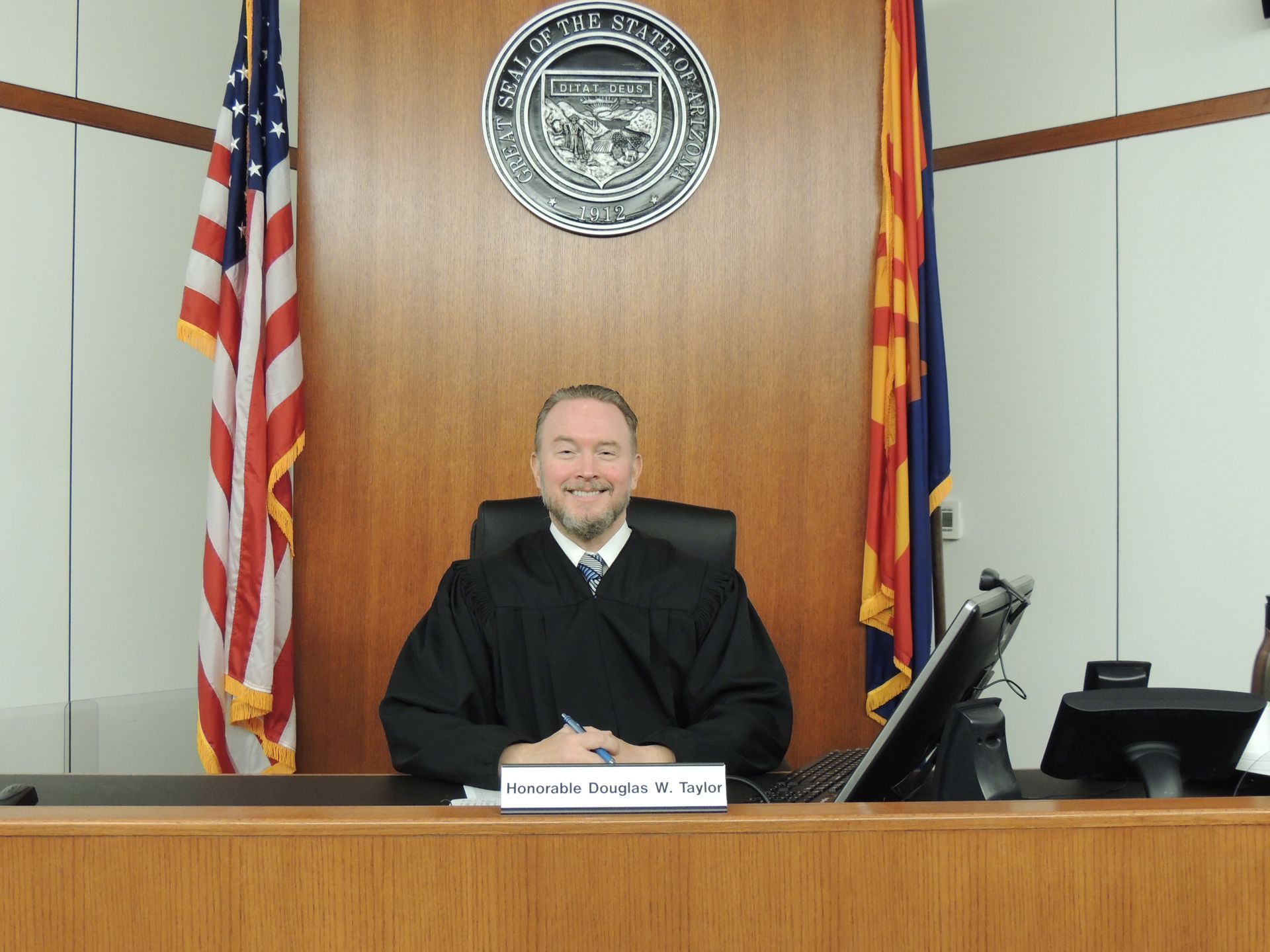
FORMER JUDGE INSIGHT
Drug prosecutions often appear simple because officers found a substance in a vehicle, residence, bag, or shared space.
They frequently are not simple.
Having served as a Pima County judge, I understand how courts evaluate the legality of a stop or search, whether the defendant knowingly possessed the evidence, the credibility of police and civilian witnesses, and whether the State can connect a particular person to drugs found near several people.
The location of the evidence matters. The circumstances under which officers found it may matter even more.
Why the Cheapest Lawyer May Cost More in the End
Price matters. It should not be the only consideration.
A drug conviction may affect:
• Employment
• Professional licensing
• Housing
• Financial aid
• Immigration status
• Probation eligibility
• Future sentencing exposure
• Firearm rights in felony cases
• Reputation
A low initial fee may provide little value if it excludes important motion practice, laboratory review, expert consultation, or the work necessary to challenge an unlawful search.
The relevant question is not simply, “Who charges the least?”
It is, “What work, access, preparation, and experience does the fee actually include?”
Questions to Ask Before Hiring a DRUG CRIME Lawyer
Before signing a fee agreement, ask:
• Is the fee flat, hourly, or hybrid?
• What precise stage of the case does it cover?
• Is trial included?
• Are suppression motions and evidentiary hearings included?
• Are diversion or drug-court proceedings included?
• Who will personally handle my case?
• Are laboratory experts or independent testing included?
• What additional expenses may arise?
• Is a payment plan available?
• What happens if the case resolves earlier than expected?
A clear answer to each question allows you to compare the actual representation—not merely the advertised price.
Real Example: THE SAME POSSESION CHARGE CAN REQUIRE VERY DIFFERENT WORK
Two people are each charged with felony drug possession.
In the first case, officers allegedly find a small amount of contraband in the defendant’s pocket during a lawful arrest. The identity and possession of the substance are not seriously disputed.
In the second case, officers find drugs inside a shared vehicle after a prolonged traffic stop. Several people had access to the area, no one admits ownership, the legality of the search is disputed, and laboratory or body-camera evidence requires further review.
Although the charges may initially appear similar, the second case requires substantially more investigation, constitutional analysis, and litigation.
That is why an accurate fee cannot be determined from the words “drug possession” alone.
Frequently Asked Questions
How much does a drug-crime lawyer cost for a possession case in Tucson?
A private attorney’s fee for a lower-level possession or paraphernalia case may fall approximately between $5,000 and $7,500, based upon the estimated market range supplied for this page. The actual fee depends upon the charge, evidence, court, required hearings, and whether the case proceeds to trial.
How much does a felony drug lawyer cost?
A felony drug-possession defense may cost approximately $8,000 to $15,000. Sale, transportation, manufacturing, or possession-for-sale cases may cost $12,000 to $25,000 or more, depending upon complexity and trial preparation.
Why do sale or transportation cases cost more?
These cases generally involve greater sentencing exposure, more extensive evidence, quantity and intent-to-sell issues, additional witnesses, laboratory analysis, motion practice, and substantially more preparation.
Can diversion get a drug charge dismissed?
Sometimes. Certain eligible defendants may qualify for a diversion or drug-court program that can result in dismissal after successful completion. Eligibility depends upon the charge, criminal history, prosecutorial criteria, and program requirements.
Does Proposition 200 dismiss the charge?
No. Proposition 200 generally concerns probation and treatment for qualifying personal-possession or paraphernalia convictions. It does not automatically dismiss the case, and statutory exclusions apply.
Is the lawyer’s fee the only cost?
No. Additional expenses may include laboratory experts, independent testing, investigators, treatment, probation fees, court assessments, lost income, and collateral consequences.
Are expert-witness costs included?
They may not be. Independent laboratory testing, forensic chemists, investigators, and other specialists are often separate expenses. Confirm what is included in writing.
Do Tucson drug-crime lawyers offer payment plans?
Some firms do. Down payments, installment schedules, and eligibility requirements vary. Ask for complete written terms before signing an agreement.
Will the case cost more if it goes to trial?
Usually. Trial requires substantial preparation and courtroom time. Many lawyers charge a separate trial fee beyond the initial pretrial representation fee.
When should I hire a drug-crime lawyer?
As early as possible. Search-and-seizure evidence, surveillance footage, witness information, laboratory records, and possible diversion opportunities should be evaluated before important options or evidence are lost.
SPEAK WITH A FORMER JUDGE ABOUT YOUR TUCSON DRUG CASE
You should receive a clear explanation of the allegations, potential consequences, anticipated work, and applicable fee before deciding how to proceed.
Douglas W. Taylor, Sr. is a former Pima County judge with more than 25 years of criminal-law experience representing clients accused of drug crimes and other criminal offenses throughout Tucson and Southern Arizona.
Taylor Law Group, PLLC offers confidential consultations to discuss the evidence, search-and-seizure issues, potential resolutions, scope of representation, and fee arrangement.
Call (520) 440-5635 to set up your free consultation.
This page provides general information about Tucson drug-crime defense fees. It is not legal advice, does not establish a guaranteed fee or outcome, and does not create an attorney-client relationship.