
How Much Does a Federal Criminal Defense Lawyer Cost?
Federal criminal defense commonly costs more than comparable state-court representation because federal investigations can involve extensive evidence, grand-jury proceedings, federal procedural rules, complex sentencing issues, and substantial pretrial preparation.
A useful working estimate is:
• Federal investigation or pre-indictment representation: approximately $5,000 to $25,000
• Federal felony resolved before trial: approximately $15,000 to $50,000
• Federal criminal trial: often $50,000 or more
• Experts, investigators, forensic review, or unusually extensive discovery: may be additional
These are estimated market ranges supplied for this page—not an official federal fee schedule or a Taylor Law Group quote. The actual fee depends upon the charge, stage of the investigation, amount of evidence, number of defendants, expert needs, motion practice, sentencing exposure, and whether the case proceeds to trial.
Douglas W. Taylor, Sr. is a former Pima County judge with more than 25 years of criminal-law experience. Taylor Law Group maintains a limited federal criminal-defense practice in appropriate matters in the United States District Court for the District of Arizona.
Written by the team at Taylor Law Group, PLLC and reviewed by Doug Taylor, former Pima County judge and criminal defense attorney.
Last updated: August 10, 2026
Why DOES FEDERAL CRIMINAL DEFENSE Cost More?
Federal cases frequently require substantial preparation.
Depending upon the matter, the defense may need to address:
• Federal agents and investigative agencies
• Grand-jury proceedings
• Search warrants
• Subpoenas
• Large quantities of digital evidence
• Financial or business records
• Wiretap or electronic evidence
• Expert witnesses
• Federal Rules of Criminal Procedure
• Federal sentencing statutes
• United States Sentencing Guidelines
• Mandatory minimum penalties when applicable
• Asset-forfeiture issues
• Multi-defendant prosecutions
The United States District Court for the District of Arizona maintains a federal courthouse in Tucson.
Pre-Indictment Representation
One important difference in federal criminal practice is that an attorney may become involved before any indictment has been returned.
Federal investigations may continue for months or longer before formal charges are filed.
During that period, counsel may:
• Communicate with federal agents or prosecutors
• Advise whether and how to respond to interview requests
• Address subpoenas
• Preserve evidence
• Evaluate potential criminal exposure
• Determine whether the client is a witness, subject, or target where that information is available
• Present information to prosecutors in appropriate circumstances
• Prepare for the possibility of indictment
Federal felony prosecutions commonly involve grand-jury proceedings. Under Federal Rule of Criminal Procedure 6, a federal grand jury consists of 16 to 23 members, and at least 12 must concur to return an indictment.
Early representation does not guarantee that charges will be avoided, but it may allow legal issues to be addressed before the case reaches the indictment stage.
What Determines the
Cost?
Several factors usually drive the fee.
Stage of the Case
Representation during an investigation may require a different amount of work than defending an already-filed indictment.
The lawyer may be retained:
• Before agents make contact
• After receipt of a subpoena
• After execution of a search warrant
• During a grand-jury investigation
• After arrest
• After indictment
• Before sentencing
• For trial
The earlier stages may involve substantial investigation but fewer court appearances. Once a case is indicted, formal litigation can expand quickly.
Volume of Evidence
Federal cases can involve enormous discovery productions.
The evidence may include:
• Thousands of emails
• Cellphone extractions
• Financial records
• Bank transactions
• Business records
• Surveillance
• Recorded calls
• Search-warrant returns
• Government databases
• Expert reports
• Laboratory evidence
• Co-defendant statements
Reviewing and organizing that material can become one of the largest components of the defense fee.
Number and Seriousness of Charges
A single-count federal case may require substantially less work than a multi-count indictment involving:
• Drug trafficking
• Fraud
• Firearms
• Conspiracy
• Sex offenses
• Child exploitation allegations
• Immigration-related crimes
• Money laundering
• Public corruption
• Other complex federal offenses
The charging statutes determine the statutory maximums, any applicable mandatory minimums, and other consequences.
Trial
Federal trial preparation can be extensive.
It may require:
• Detailed discovery review
• Witness preparation
• Expert coordination
• Motions in limine
• Suppression motions
• Exhibit preparation
• Jury instructions
• Sentencing analysis
• Cross-examination preparation
• Multiple days or weeks in court
That is why trial is frequently priced separately.
Federal Sentencing Is Different
Federal sentencing is governed by federal statutes and the United States Sentencing Guidelines.
The Guidelines provide an advisory framework that considers factors such as:
• The offense
• Relevant conduct
• Criminal history
• Loss or drug quantity in applicable cases
• Specific offense characteristics
• Role in the offense
• Acceptance of responsibility
• Other adjustments
Some federal statutes also impose mandatory minimum sentences. Those apply only when the particular offense and circumstances trigger them. The Sentencing Commission reports that mandatory minimum penalties are concentrated in areas such as drug trafficking, firearms, sexual abuse, and child-pornography offenses.
Understanding potential sentencing exposure early is an important part of evaluating both the defense strategy and the financial scope of representation.
How Do FEDERAL DEFENSE Lawyers
Charge?
Federal representation is commonly billed through staged flat fees, hourly billing, or hybrid arrangements.
Staged Flat Fee
A lawyer may charge separate flat fees for:
• Pre-indictment representation
• Pretrial representation after indictment
• Motions
• Trial preparation and trial
• Sentencing
This makes the scope of each stage easier to define.
Hourly Fee
Federal matters may also be billed hourly against a substantial retainer, particularly when the amount of discovery or length of the investigation cannot be predicted.
Hybrid Fee
A hybrid agreement may use a flat fee for the early stages and hourly or separate flat fees for trial or unusually complex litigation.
The written agreement should identify exactly what is included.
What May Cost
Extra?
Possible additional expenses include:
• Private investigators
• Forensic accountants
• Digital-forensics experts
• Medical or scientific experts
• Expert witnesses
• Independent testing
• Transcripts
• Large-scale document review
• Travel
• Trial technology
• Specialized demonstrative exhibits
These expenses can materially increase the total cost in a complex federal matter.
What Do You Receive for the Legal Fee?
Depending upon the matter, federal criminal representation may include:
• Reviewing investigative materials
• Communicating with federal prosecutors or agents
• Responding to subpoenas
• Reviewing search warrants
• Evaluating constitutional issues
• Analyzing discovery
• Reviewing digital and financial evidence
• Consulting experts
• Filing motions
• Negotiating with prosecutors
• Analyzing Sentencing Guidelines exposure
• Preparing witnesses
• Preparing exhibits
• Preparing for trial
• Trying the case when appropriate
• Sentencing advocacy
The fee reflects the amount of work necessary to address a system that can be procedurally and factually more complex than a routine state-court prosecution.
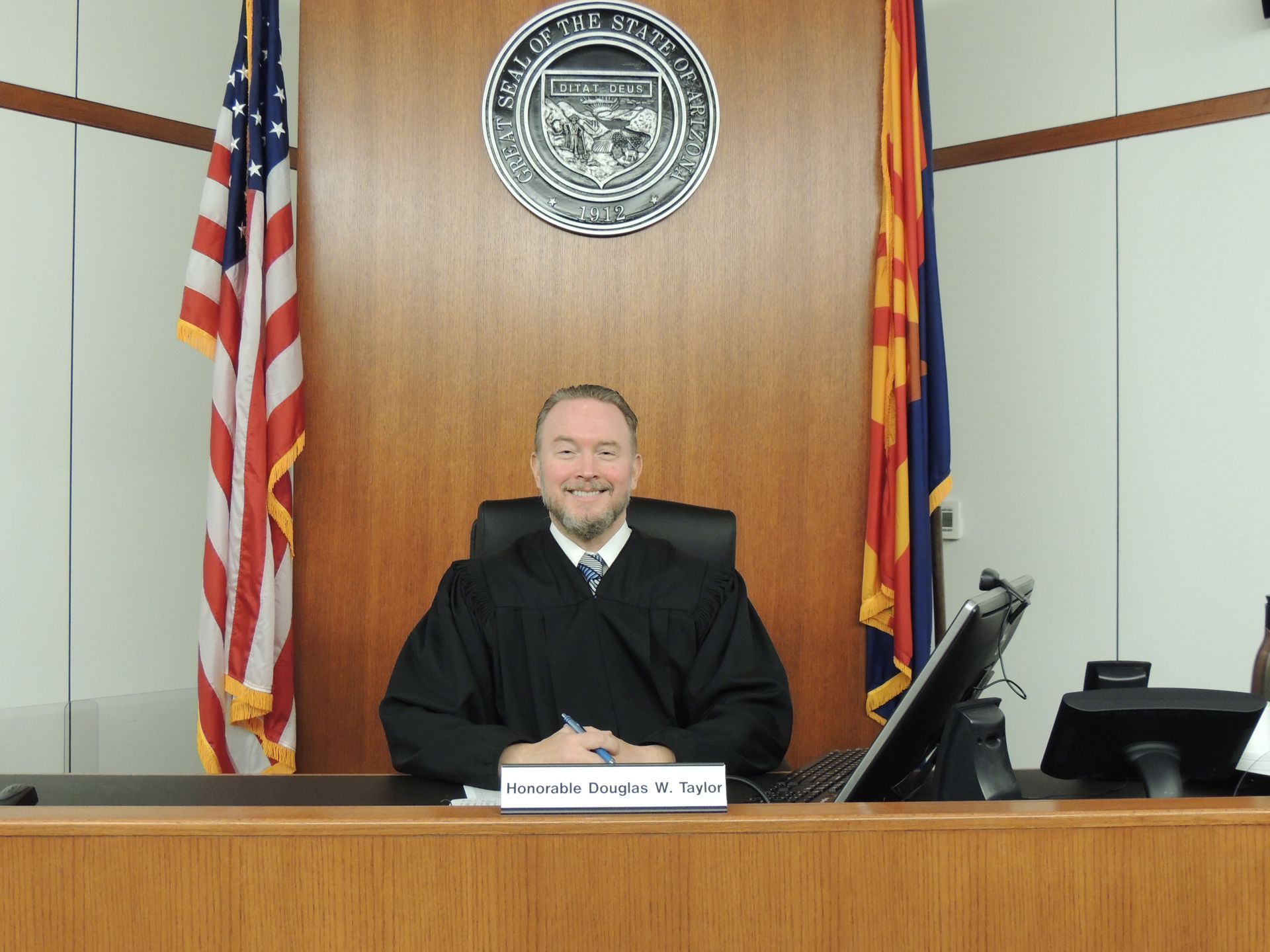
FORMER JUDGE INSIGHT
Federal court is not simply state court with a different courthouse.
The procedural rules, sentencing framework, investigative resources, discovery, and charging process can be very different.
Having served as a Pima County judge, I understand the importance of identifying the actual legal and evidentiary issues early rather than reacting to the seriousness of the accusation alone.
In federal matters especially, preparation before the case reaches its later stages can matter.
Why the Cheapest FEDERAL Lawyer May Cost More in the End
Price should not be the only consideration in a federal prosecution.
Depending upon the case, the consequences may include:
• Federal prison
• Mandatory minimum sentencing when applicable
• Supervised release
• Significant fines
• Restitution
• Asset forfeiture
• Professional consequences
• Immigration consequences
• Firearm restrictions
• Long-term reputational harm
A low initial fee may provide little value if it excludes substantial discovery review, expert work, sentencing analysis, motion practice, or trial preparation.
The better question is:
What work and experience does the fee actually include?
Questions to Ask Before Hiring a FEDERAL CRIMINAL DEFENSE Lawyer
Before signing an agreement, ask:
• Does the fee cover pre-indictment representation?
• Does the fee include trial?
• Is sentencing included?
• Are motions included?
• Are experts and investigators separate?
• Who will personally handle the case?
• How much federal criminal experience does the lawyer have?
• How will large discovery productions be handled?
• What additional fees could arise?
• Is a payment plan available?
The scope of representation should be clearly defined before substantial federal litigation begins.
Real Example: An Investigation May Begin Long Before an Indictment
A person learns that federal agents have contacted business associates and obtained records through subpoenas.
No charges have been filed.
At that stage, the attorney may need to determine:
• What agency is investigating
• What conduct is under review
• Whether the client has received a subpoena
• Whether agents want an interview
• What records must be preserved
• Whether communication with prosecutors is appropriate
Months later, the matter may result in no charges, negotiated charges, or an indictment.
The amount and type of legal work therefore depend heavily upon when the lawyer becomes involved.
Frequently Asked Questions
How much does a federal criminal defense lawyer cost?
Private federal criminal-defense fees may range approximately from $10,000 to $50,000 or more, depending upon the stage, charge, evidence, and complexity. Cases requiring trial may cost substantially more.
Why is federal criminal defense more expensive than state defense?
Federal cases often involve larger investigations, extensive discovery, grand-jury procedures, complex federal rules, sentencing-guideline analysis, experts, and substantial pretrial preparation.
What does pre-indictment representation mean?
It means hiring an attorney while federal authorities are still investigating and before formal charges have been filed. Counsel may advise the client, communicate with investigators or prosecutors, respond to subpoenas, and prepare for possible charges.
Does every federal crime carry a mandatory minimum sentence?
No. Some federal offenses carry mandatory minimum penalties, but many do not. The applicable statute and facts determine whether a mandatory minimum applies.
Where are federal criminal cases in Tucson heard?
Federal criminal cases in Tucson are heard in the United States District Court for the District of Arizona. The Tucson federal courthouse is the Evo A. DeConcini U.S. Courthouse.
Are expert costs included in the attorney's fee?
Not necessarily. Investigators, forensic accountants, digital-forensics specialists, scientific experts, and other professionals may be separate expenses.
Will a federal trial cost more?
Usually, substantially more. Federal trial preparation may involve extensive discovery, witnesses, expert testimony, exhibits, motions, and significant courtroom time.
Can I use a federal public defender?
A financially eligible defendant charged with a qualifying federal offense may receive appointed counsel under federal law. The court determines eligibility.
Should I talk to federal agents before hiring an attorney?
Before providing a substantive statement concerning potential criminal conduct, it is generally prudent to understand your rights and obtain legal advice.
When should I contact a federal criminal defense lawyer?
As soon as you learn you are under investigation, receive a subpoena, are contacted by federal agents, learn of a search warrant, or are charged in federal court.
SPEAK WITH A FORMER JUDGE ABOUT YOUR FEDERAL CRIMINAL MATTER
Federal criminal cases can involve substantial consequences and complicated procedural and sentencing issues.
Douglas W. Taylor, Sr. is a former Pima County judge with more than 25 years of criminal-law experience. Taylor Law Group, PLLC provides federal criminal-defense representation in selected matters in the United States District Court for the District of Arizona.
Call (520) 440-5635 to set up your free consultation.
This page provides general information about federal criminal-defense fees. It is not legal advice, does not guarantee representation, any particular outcome, or a particular fee, and does not create an attorney-client relationship.