DRUG MANUFACTURING DEFENSE LAWYER


TUCSON & SOUTHERN ARIZONA


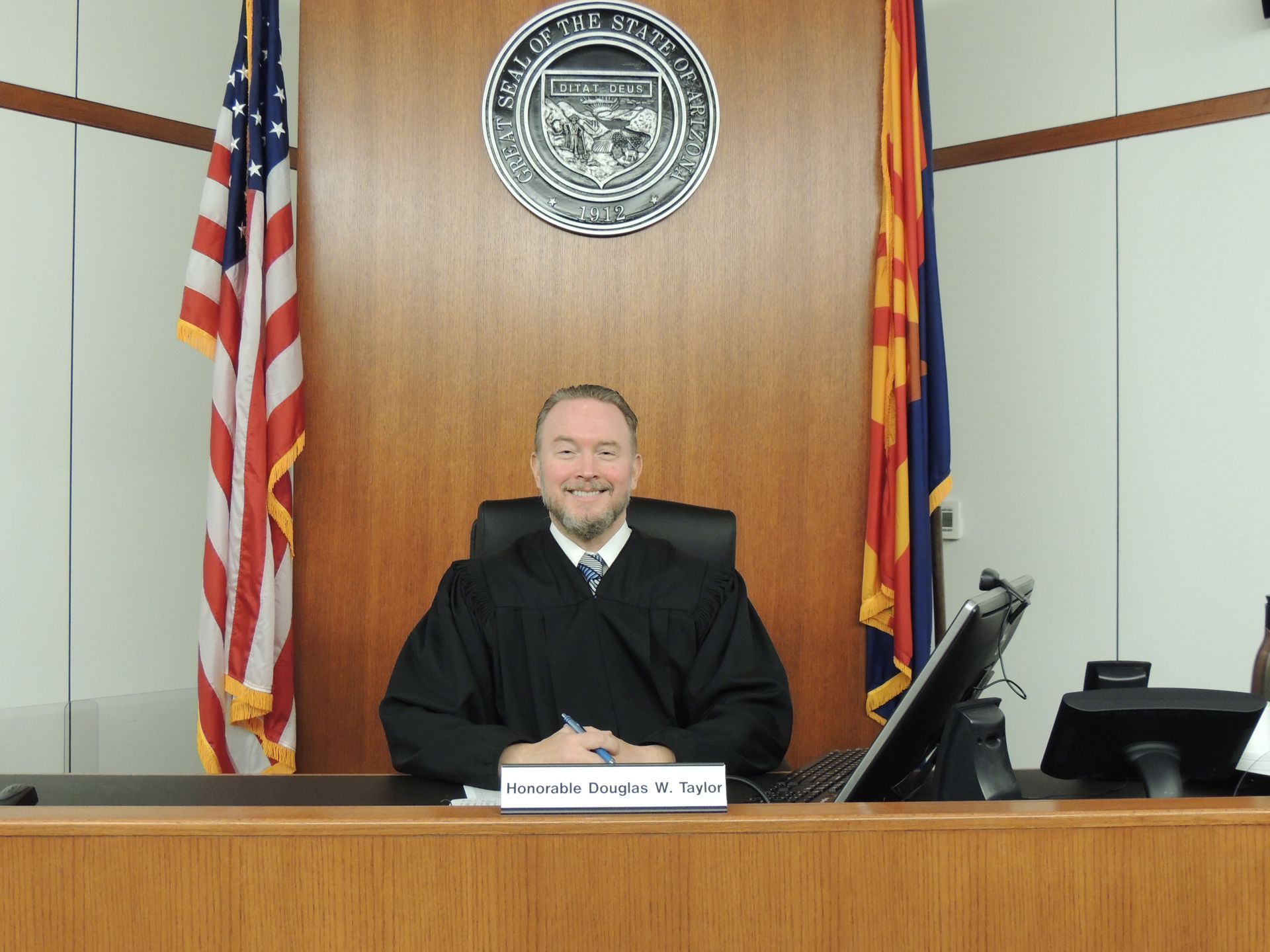
Former Pima County Judge


Call 520-440-5635 24/7 for a Free Consultation

drug-manufacturing-lawyer-tucson
  • Fact-Checked

    This page has been carefully written, edited, and reviewed by our team of legal professionals following strict editorial guidelines. It has been approved by our Founding Partner, Douglas W. Taylor, Sr., a seasoned criminal defense attorney with extensive legal experience. The “last modified” date indicates the most recent review of this page.

Last Modified: September 1, 2026

Former Pima County Judge Defending Shoplifting Charges in Tucson and Southern Arizona

DRUG MANUFACTURING DEFENSE LAWYER IN TUCSON, ARIZONA


Drug manufacturing allegations are among the more serious drug charges prosecuted in Arizona. Depending on the substance and alleged conduct, prosecutors may claim that a person manufactured a dangerous drug or narcotic drug, possessed equipment or chemicals associated with production, operated or participated in a drug laboratory, or aided others involved in manufacturing.


But the presence of drugs, chemicals, equipment, or other materials does not automatically establish that a particular person knowingly participated in manufacturing them. These cases can raise important questions about knowledge, possession, ownership or control of the location, forensic testing, search warrants, police surveillance, statements, and the State's ability to connect an individual defendant to the alleged manufacturing activity.


Taylor Law Group represents people facing serious drug charges in Tucson, Pima County, and throughout Southern Arizona. Douglas W. Taylor brings nearly 25 years of criminal-law and courtroom experience to the defense, including service as an elected Pima County Judge.


Drug manufacturing investigations can involve extensive police reports, laboratory evidence, search warrants, electronic communications, confidential-source information, and evidence seized from homes, vehicles, storage areas, or other locations. The defense should examine the underlying evidence—not simply accept the prosecution's characterization of what was found.


Call or text Taylor Law Group at (520) 440-5635 for a free and confidential consultation.

DRUG MANUFACTURING DEFENSE FROM A Former Pima County Judge

Drug manufacturing cases can involve a large amount of evidence, but the volume of evidence does not necessarily establish who knowingly participated in manufacturing a controlled substance.


Former Pima County Judge Douglas W. Taylor approaches serious drug crimes cases by separating what investigators suspect from what the evidence can actually prove. Important questions may include who owned or controlled the property, who had access to particular rooms or containers, where drugs and equipment were found, whose fingerprints or DNA were recovered, what electronic communications show, and whether statements attributed to the accused are reliable and admissible.


Search warrants can also be central. Manufacturing investigations may begin with surveillance, informant information, controlled purchases, utility records, intercepted communications, or other evidence used to obtain authority to search a residence or other property. The factual and legal basis for those searches should be examined carefully.


Taylor's experience evaluating evidence and credibility from the bench now informs his defense of people accused of serious drug offenses. The objective is to determine what the State can actually prove about the individual client—not merely what police discovered at a particular location.

What Does Arizona Consider DRUG MANUFACTURING?

Arizona law addresses manufacturing through different statutes depending on the type of drug involved. Dangerous drugs and narcotic drugs are treated separately under Arizona's drug laws, so identifying the substance and the precise charge matters.


Drug manufacturing can involve more than the final production of a finished drug. Depending on the statute and facts, allegations may concern producing, preparing, propagating, compounding, converting, processing, or otherwise participating in the creation of a controlled substance.


Manufacturing investigations may involve allegations concerning:

  • Methamphetamine or other dangerous drugs
  • Fentanyl or other narcotic drugs
  • Chemicals or precursor substances
  • Laboratory equipment or manufacturing materials
  • Pills, powders, liquids, or other substances undergoing processing
  • Property allegedly being used as a manufacturing location
  • Communications or records allegedly connecting people to production activity
  • Multiple people accused of participating in the same operation


The prosecution still must connect the particular defendant to the alleged criminal conduct. Being present where drugs or equipment are discovered does not necessarily establish knowing participation in manufacturing.

KNOWLEDGE AND CONNECTION TO THE ALLEGED MANUFACTURING MATTER

A major issue in a drug manufacturing case can be whether the State can prove that the accused knowingly participated in or exercised control over the alleged manufacturing activity.


Police may discover drugs, chemicals, equipment, packaging materials, or other evidence in a residence, garage, vehicle, storage unit, or other location used by multiple people. The fact that an item was found somewhere does not necessarily establish who possessed it, who knew it was there, or who was responsible for its use.


Important questions can include:

  • Who owned, rented, or controlled the property?
  • Who actually had access to the area where evidence was found?
  • Were multiple people living at or using the location?
  • Where specifically were drugs, chemicals, or equipment discovered?
  • Were fingerprints, DNA, or other forensic evidence recovered?
  • Do phones, messages, photographs, or electronic records actually connect the accused to manufacturing?
  • Did witnesses or informants identify the accused, and how reliable are those claims?
  • What statements did the accused allegedly make?


In a multi-person investigation, the defense should resist the assumption that everyone associated with a location is automatically responsible for everything discovered there.

SEARCH WARRANTS CAN BE CENTRAL TO DRUG MANUFACTURING CASES

Drug manufacturing investigations frequently involve search warrants for homes, garages, vehicles, storage units, phones, or other property. A warrant does not automatically make every search—or every item seized during it—immune from challenge.


The defense may examine:

  • What information investigators presented to obtain the warrant
  • Whether probable cause existed
  • Information supplied by confidential informants or cooperating witnesses
  • Police surveillance or controlled purchases used to support the application
  • Whether information supporting the warrant was stale
  • The particular places and items the warrant authorized officers to search
  • Whether officers remained within the lawful scope of the warrant
  • How seized evidence was identified, documented, and preserved


Evidence obtained in violation of constitutional protections may potentially be subject to a motion to suppress.


Because manufacturing prosecutions can depend heavily on physical evidence seized during searches, the legality of the investigation and the manner in which that evidence was obtained can materially affect the case.

FORENSIC AND LABORATORY EVIDENCE

Drug manufacturing prosecutions may depend heavily on scientific evidence. Substances seized by police may be submitted for laboratory testing to determine what they are, whether they contain a prohibited drug, and potentially their quantity or composition.


The defense may need to examine:

  • Laboratory reports and testing methodology
  • Identification of the alleged dangerous or narcotic drug
  • Weight or quantity attributed to the seized substance
  • How samples were collected and submitted for testing
  • Chain of custody
  • Whether multiple substances or mixtures were involved
  • Fingerprint or DNA testing of equipment or containers
  • Photographs and documentation of the alleged manufacturing site
  • Whether the scientific evidence actually connects the accused to the alleged activity


The presence of chemicals, equipment, or suspicious materials may be powerful evidence in the prosecution's narrative, but the evidence still must establish the charged offense and connect it to the individual defendant beyond a reasonable doubt.

PENALTIES FOR DRUG MANUFACTURING IN ARIZONA

Arizona treats drug manufacturing as a serious felony offense. The precise consequences depend on the statute, substance involved, criminal history, and other circumstances of the case.


Under A.R.S. § 13-3407, manufacturing a dangerous drug is a Class 2 felony. Possessing equipment or chemicals for the purpose of manufacturing a dangerous drug is generally a Class 3 felony, but is a Class 2 felony when the offense involves methamphetamine.


Under A.R.S. § 13-3408, manufacturing a narcotic drug is a Class 2 felony. Possessing equipment or chemicals for the purpose of manufacturing a narcotic drug is a Class 3 felony. Arizona law also imposes significant restrictions on probation eligibility for a conviction for manufacturing a narcotic drug.


Potential consequences can therefore include:

  • A felony conviction
  • A substantial prison sentence
  • Significant fines and financial assessments
  • Probation restrictions where applicable
  • Loss of civil and firearm rights
  • Employment and professional consequences
  • Immigration consequences for non-citizens


Arizona also has a separate statute addressing manufacturing methamphetamine under circumstances causing physical injury to a child under fifteen, which is classified as a Class 2 felony and carries enhanced sentencing consequences.


Because sentencing can turn on the exact offense, substance, prior record, and additional allegations, the potential exposure should be evaluated from the specific charges actually filed.

POTENTIAL DEFENSES TO AN ARIZONA DRUG MANUFACTURING CHARGE

The appropriate defense depends on the substance, alleged manufacturing activity, investigation, and evidence in the individual case.


Potential issues can include:

  • Lack of knowledge of the alleged manufacturing activity
  • Lack of possession, dominion, or control over drugs, equipment, or property
  • Insufficient evidence connecting the accused to the manufacturing operation
  • A shared residence or location used by multiple people
  • Unreliable confidential informants or cooperating witnesses
  • Problems with a search warrant or the probable cause supporting it
  • An unlawful search or seizure
  • Statements obtained in violation of constitutional protections
  • Laboratory, identification, or chain-of-custody issues
  • Electronic evidence that does not establish what investigators claim
  • Insufficient evidence that the alleged conduct constituted manufacturing
  • Failure of the State to prove another required element beyond a reasonable doubt


Some manufacturing cases are built largely on circumstantial evidence. Chemicals, equipment, messages, packaging, or a person's presence at a location may become pieces of the prosecution's theory, but each piece should be examined in context.


The defense should determine what the evidence actually proves about the accused—and where the prosecution may be asking a judge or jury to infer more than the evidence reliably establishes.

WHAT HAPPENS AFTER A DRUG MANUFACTURING ARREST IN TUCSON?

A drug manufacturing case may begin with an arrest following a search warrant, a lengthy investigation, or the discovery of suspected drugs and manufacturing materials during another police encounter.


After charges are filed, the defense can begin obtaining and analyzing the prosecution's evidence. Depending on the case, that may include police reports, search-warrant materials, body-camera footage, photographs, laboratory reports, electronic evidence, witness statements, informant information, and records concerning seized property.


Serious felony drug cases may also involve preliminary hearings, grand-jury proceedings, release conditions, disclosure disputes, expert evidence, suppression litigation, plea negotiations, and potentially trial.


Early review can be particularly important when the case involves a large amount of seized evidence or multiple defendants. The prosecution's theory about who participated in an alleged manufacturing operation can begin forming long before every piece of evidence has been critically examined.


Taylor Law Group evaluates the investigation, search, scientific evidence, alleged connection to the manufacturing activity, and the elements the State must ultimately prove in developing the defense.

WHY CHOOSE TAYLOR LAW GROUP FOR A DRUG MANUFACTURING CASE?

Drug manufacturing charges call for careful analysis of both the law and the evidence. These cases may involve complicated searches, scientific testing, electronic records, multiple suspects, confidential sources, and competing explanations for what investigators discovered.


Douglas W. Taylor offers a perspective developed through nearly 25 years in Arizona's criminal justice system, including service as an elected Pima County Judge. That experience provides insight into how evidence is evaluated, how credibility issues can affect a case, and how prosecutors and courts may view the strengths and weaknesses of a serious criminal charge.


Taylor Law Group provides:

  • Representation personally directed by a former judge
  • Extensive criminal-law and courtroom experience
  • Detailed review of search warrants and police investigations
  • Careful analysis of forensic, laboratory, and electronic evidence
  • Individualized defense strategy rather than a one-size-fits-all approach
  • Local experience in Tucson and Pima County courts
  • Direct communication with clients facing serious criminal allegations


An accusation of manufacturing drugs is not a conviction. The State still bears the burden of proving the charged offense beyond a reasonable doubt.


Call or text Taylor Law Group at (520) 440-5635 for a free and confidential consultation.
ARIZONA DRUG MANUFACTURING LAWS

Arizona prosecutes drug manufacturing under different statutes depending on the substance involved. Two important statutes are A.R.S. § 13-3407, addressing dangerous drugs, and A.R.S. § 13-3408, addressing narcotic drugs.


These distinctions matter because Arizona law separately addresses conduct involving:

  • Manufacturing a dangerous drug
  • Manufacturing a narcotic drug
  • Possessing equipment or chemicals for the purpose of manufacturing certain drugs
  • Possession of drugs for sale
  • Transportation or transfer for sale
  • Selling or administering prohibited drugs


The exact charge can significantly affect the prosecution, available defenses, and potential consequences.


Methamphetamine cases generally fall within Arizona's dangerous-drug laws, while substances classified as narcotic drugs can include fentanyl and other opioids. The specific substance allegedly involved should therefore be identified rather than treating every manufacturing prosecution as the same offense.


A manufacturing allegation can also accompany other charges arising from the same investigation, including possession, possession for sale, transportation, weapons offenses, or other alleged criminal conduct.

Drug Manufacturing Defense Lawyer in Tucson

A Former Judge's Perspective

In a serious drug case, the sheer amount of evidence can sometimes make an allegation appear stronger than it actually is. Photographs of chemicals, equipment, drugs, cash, packaging materials, or an alleged laboratory can create an immediate impression. But a criminal case must ultimately be decided on admissible evidence and what that evidence proves about the individual defendant.


As a former Pima County Judge, Douglas W. Taylor understands the importance of separating the overall appearance of a case from the evidence establishing each required element of the charged offense.


In a drug manufacturing prosecution, some of the most important questions may be surprisingly basic:

Who knew what was happening? Who controlled the location? Who possessed the materials? What evidence connects this particular person to manufacturing? Were the searches lawful? Are witnesses credible? And can the State actually prove its theory beyond a reasonable doubt?


A room full of suspicious evidence may establish that something was occurring. It does not necessarily establish that every person associated with that location knowingly participated in a drug manufacturing offense.

That distinction can be critical.

METHAMPHETAMINE MANUFACTURING CHARGES

Arizona law treats alleged methamphetamine manufacturing particularly seriously. Under A.R.S. § 13-3407, knowingly manufacturing methamphetamine is a Class 2 felony. The statute also makes possession of equipment or chemicals for the purpose of manufacturing methamphetamine a Class 2 felony, rather than the Class 3 classification that generally applies to equipment or chemicals intended for manufacturing other dangerous drugs.


Methamphetamine manufacturing allegations may arise from evidence such as chemicals, laboratory equipment, containers, suspected precursor materials, finished or partially processed substances, electronic communications, surveillance, or information supplied by other people involved in the investigation.


But finding materials associated with methamphetamine production does not eliminate the State's burden to prove the case against the individual defendant.


The defense may examine:

  • Whether the accused knowingly possessed or controlled the materials
  • Whether the evidence actually demonstrates an intent to manufacture methamphetamine
  • Who owned or controlled the location
  • Whether other people had access to the property
  • Fingerprint, DNA, laboratory, and electronic evidence
  • The legality of the search and seizure
  • Statements made by defendants, witnesses, or informants
  • Whether the evidence establishes manufacturing rather than some different alleged drug offense


Arizona also separately criminalizes knowingly manufacturing methamphetamine under circumstances that cause physical injury to a child under fifteen

FENTANYL AND NARCOTIC DRUG MANUFACTURING CHARGES

Arizona's narcotic-drug laws can apply to allegations involving fentanyl and other narcotic drugs. Under A.R.S. § 13-3408, knowingly manufacturing a narcotic drug is a serious felony offense.


Fentanyl cases can present distinctive evidentiary issues. Investigations may involve alleged pill-production operations, powders or mixtures containing fentanyl, pill presses or other equipment, packaging materials, laboratory testing, electronic communications, and allegations that multiple people participated in producing or distributing the drugs.


The defense should examine exactly what the evidence establishes, including:

  • What substance was actually seized and how laboratory testing identified it
  • Whether the accused knew fentanyl or another narcotic drug was present
  • Whether the evidence establishes manufacturing, rather than possession or another drug offense
  • Who owned or controlled the location, equipment, or materials
  • Whether fingerprints, DNA, communications, or other evidence connect the accused to production
  • Whether multiple people had access to the property
  • Whether searches and seizures complied with constitutional requirements
  • Whether statements from informants, cooperating defendants, or other witnesses are reliable
  • The seriousness of fentanyl allegations can create an especially powerful prosecution narrative. But the dangerous nature of a drug does not reduce the State's burden of proving that the particular defendant committed the charged offense beyond a reasonable doubt.

____________________________

FREQUENTLY ASKED QUESTIONS ABOUT DRUG MANUFACTURING CHARGES

Can I be charged with drug manufacturing if I was not actually making drugs?

Yes. Depending on the facts and the statute charged, prosecutors may rely on evidence involving equipment, chemicals, materials, communications, or other alleged participation in manufacturing activity. However, the State must still prove the elements of the specific offense charged and connect you to the alleged conduct beyond a reasonable doubt.


What does Arizona consider drug manufacturing?

Arizona law addresses manufacturing of dangerous drugs and narcotic drugs under different statutes. Manufacturing can encompass more than simply producing a finished drug and may include certain conduct involved in producing, preparing, processing, or creating a prohibited substance. The precise statutory definition and charge matter.


What is the difference between drug manufacturing and possession for sale?

They are different offenses. Manufacturing concerns alleged involvement in producing or processing a prohibited drug, while possession for sale generally concerns knowingly possessing a drug for the purpose of selling it. Depending on the evidence, prosecutors may allege multiple drug offenses arising from the same investigation.


Is drug manufacturing a felony in Arizona?

Yes. Manufacturing dangerous drugs under A.R.S. § 13-3407 and manufacturing narcotic drugs under A.R.S. § 13-3408 are felony offenses. The classification and potential sentencing consequences depend on the particular charge, substance, criminal history, and other circumstances.


Can Arizona charge me for possessing equipment or chemicals used to manufacture drugs?

Yes. Arizona law separately prohibits certain possession of equipment or chemicals for the purpose of manufacturing dangerous or narcotic drugs. The prosecution must prove the elements of the particular offense charged, including the legally required connection between the items and the alleged purpose of manufacturing drugs.


What if the drugs or equipment were found in a house with several people?

The presence of drugs, chemicals, or equipment in a shared location does not automatically establish that every person there knowingly possessed them or participated in manufacturing. Ownership, access, control of particular areas, forensic evidence, communications, statements, and other circumstances may become important.


Can police search my home because they suspect drug manufacturing?

Police generally need a lawful basis to search a home, which commonly involves obtaining a search warrant supported by probable cause, although recognized exceptions to the warrant requirement can apply. The defense can examine the warrant, supporting information, scope of the search, and circumstances under which evidence was seized.


Can evidence from a drug manufacturing search warrant be suppressed?

Potentially. If evidence was obtained through an unconstitutional search or seizure, the defense may seek suppression when legally appropriate. Whether suppression is available depends on the specific facts, the warrant and supporting materials, how officers conducted the search, and applicable law.


How can prosecutors prove that I knew drugs were being manufactured?

Knowledge may be established through direct or circumstantial evidence. Prosecutors may rely on statements, communications, access to property, possession or control of materials, surveillance, forensic evidence, witness testimony, or other circumstances. The defense can challenge whether that evidence actually proves the required knowledge beyond a reasonable doubt.


What happens in a methamphetamine manufacturing case?

Methamphetamine is addressed under Arizona's dangerous-drug laws. Manufacturing methamphetamine and possessing equipment or chemicals for the purpose of manufacturing methamphetamine are treated particularly seriously under A.R.S. § 13-3407. The defense may involve search-and-seizure issues, laboratory evidence, knowledge, possession or control, electronic evidence, and the defendant's actual connection to the alleged operation.


What happens in a fentanyl manufacturing case?

Fentanyl-related manufacturing allegations can fall under Arizona's narcotic-drug laws. These cases may involve powders or mixtures, alleged pill-production operations, equipment, laboratory testing, electronic communications, and multiple suspects. The State still must prove the charged offense against the individual defendant beyond a reasonable doubt.


Why hire a former judge for an Arizona drug manufacturing case?

A former judge brings experience evaluating evidence, credibility, legal arguments, and courtroom proceedings from the other side of the bench. Former Pima County Judge Douglas W. Taylor uses that experience to examine what the prosecution can actually prove, identify weaknesses in the evidence, and develop a defense tailored to the particular allegations.

Why choose

TAYLOR LAW GROUP?

Ranked in the Top 100 Trial Lawyers

Over 25 Years of Criminal Defense Experience 

Proven Results In & Out of Court

We Are Available 24/7 for All Clients

Former Pima County Judge

contact us

If you or a loved one needs the assistance of our Tucson criminal defense attorneys, please feel free to contact us in the way that is most convenient for you, whether calling us at (520) 440-5635 or completing the contact form below. All fields are required.

Contact Us