
Child Abuse Defense Lawyer
Serving Tucson and Southern Arizona

A child abuse allegation can put your freedom, family relationships, reputation, and future at risk. Arizona law covers several kinds of alleged conduct, and the charge’s seriousness can depend on the circumstances, the claimed injury or danger, and the mental state the State alleges.
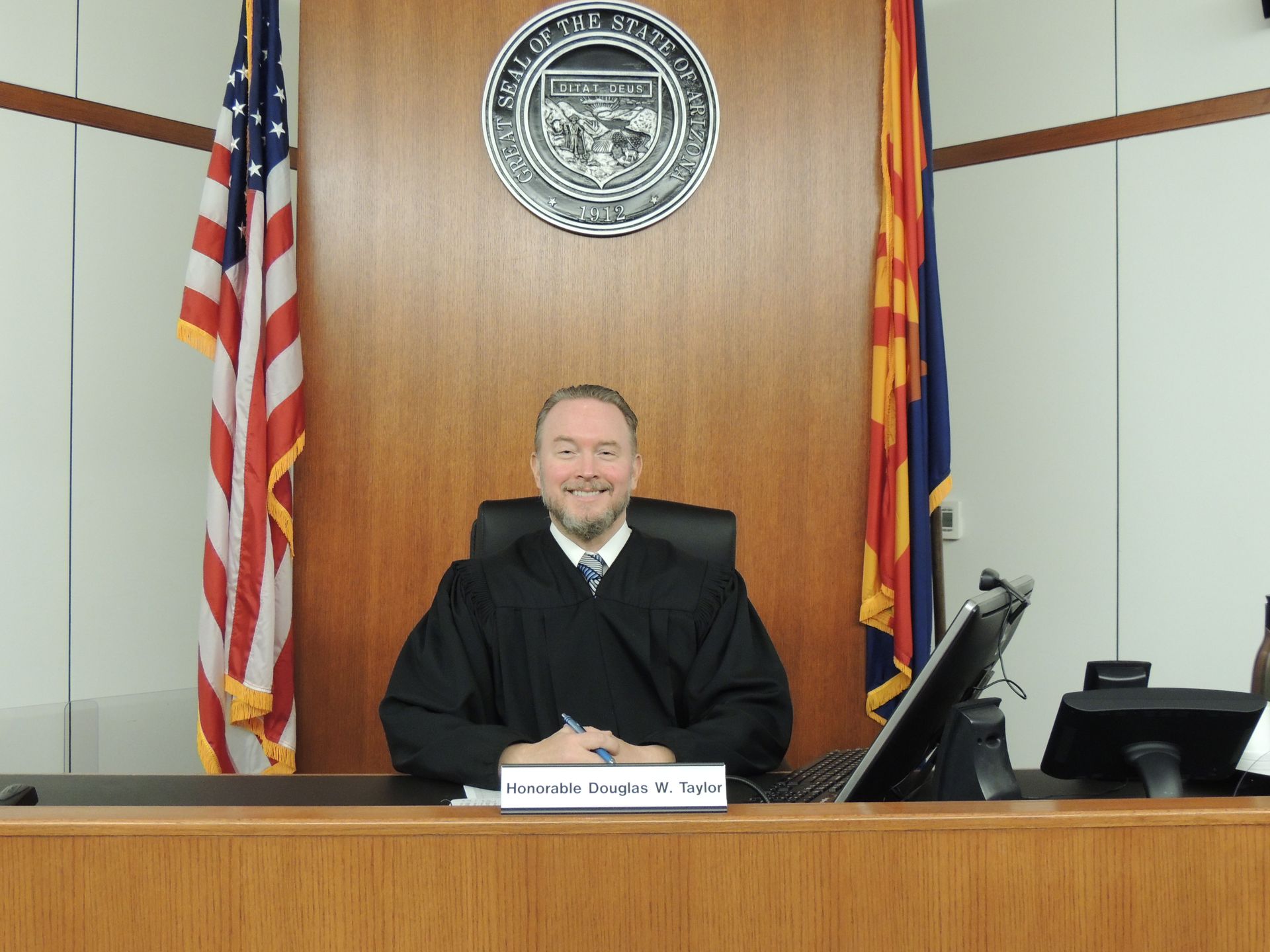
Douglas W. Taylor, Sr. is a former Pima County judge with more than 25 years of criminal-law experience. He defends people accused of serious criminal offenses in Tucson and Southern Arizona. His experience on the bench informs how he evaluates the evidence, the way the case is charged, and the issues a court may need to decide.
If you have been contacted by law enforcement or arrested, do not try to explain the situation or argue about the accusation with investigators. Follow all release conditions and court orders. Get legal advice before speaking about the case, and preserve relevant messages, photographs, medical information, and witness details.
Common Situations THAT CAN Lead to CHILD ABUSE Charges
A child abuse investigation may arise from allegations involving:
- An unexplained bruise, fracture, burn, or other injury
- A child’s statement to a teacher, medical provider, relative, or police officer
- A medical opinion about how or when an injury occurred
- An allegation that a caregiver failed to protect a child from harm
- A disagreement about discipline or physical contact
- An injury that occurred while several adults were present
- A report made during a family or household dispute
- A claim that a child was placed in a dangerous situation
The circumstances behind an allegation matter. An arrest or report does not establish guilt, and an injury alone does not answer who caused it, how it happened, or whether the State can prove the required legal elements.
Child Abuse Under Arizona Law
Arizona prosecutes child abuse under A.R.S. § 13-3623. The statute addresses physical injury, abuse, and endangerment of a child. Its classification depends in part on whether the circumstances were likely to produce death or serious physical injury and on the mental state alleged.
Under some circumstances, an allegation may be charged as a Class 2, 3, or 4 felony. Under other circumstances, it may be charged as a Class 4, 5, or 6 felony. A Class 2 felony under subsection A involving a victim under 15 is punishable under Arizona’s dangerous-crimes-against-children sentencing statute. The precise charge and potential sentence depend on the alleged conduct and the individual case.
A child abuse charge may also carry a domestic-violence designation when the offense and relationship meet the requirements of A.R.S. § 13-3601. That designation is not automatic in every child abuse case. When it applies, the underlying offense keeps the classification set by its own statute.
What the State
Must Prove
The exact elements depend on the subsection and theory alleged. The State must prove the charged offense beyond a reasonable doubt, including the required mental state.
The case may turn on questions such as:
- What conduct does the State claim caused injury or endangered the child?
- Does the evidence establish the alleged injury, abuse, or danger?
- Does the evidence connect the accused to that conduct?
- What mental state does the charged subsection require, and can the State prove it?
- Do the medical evidence, photographs, timelines, and witness accounts fit the State’s theory?
- If a domestic-violence designation is alleged, does the relationship meet the statutory requirements?
A careful defense examines the actual allegation and evidence rather than treating the arrest report as the complete account.
Potential
Consequences
Child abuse charges under A.R.S. § 13-3623 are felonies. The felony class and potential sentence depend on the subsection, alleged mental state, circumstances, prior history, and any applicable sentencing provisions.
A case may also bring release conditions, limits on contact, family disruption, and a parallel Department of Child Safety investigation or juvenile-court proceeding. A criminal case and a DCS or dependency matter are separate proceedings, even when they arise from the same report. The consequences in any particular case depend on its facts and procedural posture.
Possible Defenses to a Child Abuse Charge
The available defense depends on the charge, evidence, and circumstances. Issues that may warrant investigation include:
- Cause of the injury: The evidence may not establish who caused the injury or when it occurred.
- Medical or other explanation: A medical condition, accident, or other event may provide a different explanation for an injury.
- Required mental state: The State must prove the mental state required by the subsection charged.
- Conflicting accounts: Statements may differ about what happened, when it happened, or who was present.
- Reliability of statements: The setting, questions, and circumstances surrounding a child’s or witness’s statement may matter.
- Reasonable discipline: Arizona law allows a parent or guardian to use reasonable and appropriate physical force when reasonably necessary and appropriate to maintain discipline. Whether that justification applies depends on the facts; it does not permit excessive force.
- Constitutional issues: The defense may need to examine how statements, searches, or other evidence were obtained.
These are issues to investigate, not assumptions about what happened. A defense should be based on the evidence and the law governing the specific charge.
COURTROOM REALITY
Child abuse cases may involve medical records, photographs, interviews, 911 calls, police body-camera footage, and reports from multiple agencies. Those records can provide different accounts or timelines. A court must evaluate the evidence and the legal requirements of the specific charge.
Doug Taylor’s experience as a former Pima County judge gives him perspective on how courts assess evidence, credibility, and legal arguments. He uses that perspective to evaluate the case and prepare a defense based on its particular facts.
Example: When THE TIMELINE MATTERS
Hypothetical example: A child has an injury, and several caregivers had contact with the child during the relevant period. The first report identifies one person, but later records reveal a different timeline and inconsistent descriptions of when the injury appeared.
The defense would need to examine the medical records, interview accounts, photographs, and other evidence. The key question is whether the State can prove the charged conduct and required mental state beyond a reasonable doubt. This example is hypothetical and does not describe a specific client or result.
Related Defense Areas
Child abuse allegations may arise alongside other criminal or domestic-violence accusations. Depending on the facts, related pages include:
- Domestic Violence Defense
- Criminal Defense
- Domestic Violence Disorderly Conduct Defense
- Domestic Violence Criminal Damage Defense
- Stalking Defense
- Restraining Orders
A link to a related page does not mean that every listed charge or proceeding applies to every case.
Frequently Asked Questions
Is child abuse always charged as a felony in Arizona?
A charge under A.R.S. § 13-3623 is classified as a felony. The class depends on the circumstances and the mental state alleged. The specific charge and potential sentencing consequences require review of the statute and case facts.
Does every child abuse case have a domestic-violence designation?
No. A domestic-violence designation applies only when the offense and relationship meet the requirements in A.R.S. § 13-3601. The designation is not automatic just because the alleged victim is a child.
What is the difference between child abuse and child endangerment?
Arizona’s child abuse statute covers different alleged conduct, including physical injury, abuse, and endangerment. The exact theory depends on the facts and subsection charged. The charging document and evidence should be reviewed to determine what the State is alleging.
Can an accidental injury lead to a child abuse investigation?
Yes. An injury may prompt an investigation even when the caregiver says it was accidental. The investigation and charge do not establish guilt. The State must prove the required elements, including the mental state for the offense charged.
Can a parent use physical discipline in Arizona?
Arizona law allows a parent or guardian to use reasonable and appropriate physical force when reasonably necessary and appropriate to maintain discipline. Whether that justification applies depends on the facts and the force alleged.
Will DCS open a separate case?
DCS may investigate a report separately from the criminal case. A DCS or dependency proceeding is different from a criminal prosecution, and the proceedings can raise separate issues involving evidence, contact, and family arrangements.
Can the other parent ask the prosecutor to drop the charge?
The other parent may share their position, but does not personally control whether a criminal case proceeds. The prosecutor makes decisions about whether to continue, amend, negotiate, or dismiss charges.
What should I do if I am under investigation?
Do not discuss the allegations with investigators, witnesses, or other people involved in the case before getting legal advice. Follow all court orders and release conditions. Preserve relevant records and do not delete potentially important messages, photographs, or other evidence.
When should I contact a child abuse defense lawyer?
As soon as you learn you are being investigated or charged. Early legal advice can help you understand the allegations, preserve relevant evidence, and avoid missteps while the criminal case or a related investigation is underway.
Speak With a Former Judge About Your Case
A child abuse allegation can affect your freedom, family, and future. Douglas W. Taylor, Sr. is a former Pima County judge with more than 25 years of criminal-law experience. He represents people accused of serious offenses in Tucson and Southern Arizona.
Call Taylor Law Group, PLLC at (520) 440-5635 for a free and confidential consultation.