
SEXUAL EXPLOITATION OF A MINOR DEFENSE Lawyer
Serving Tucson and Southern Arizona

Arizona calls this offense sexual exploitation of a minor. Many people search for it as a child pornography or child sexual abuse material charge. An investigation may involve digital devices, online accounts, files stored in the cloud, or allegations that material was received, possessed, or shared.
These are serious felony cases. The details matter: what the State says happened, which subsection is charged, what the digital evidence actually establishes, and whether law enforcement obtained and interpreted that evidence correctly.
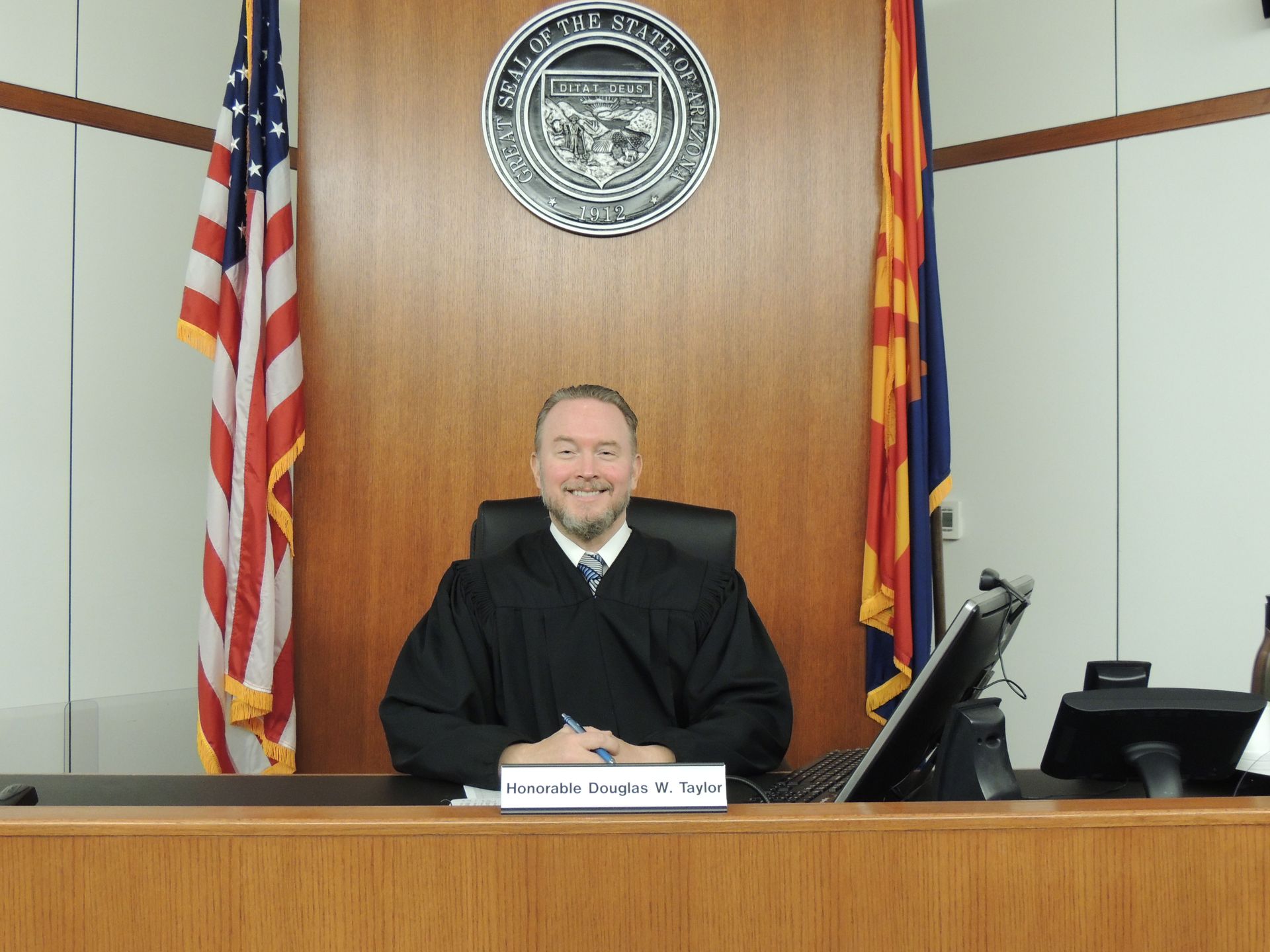
Douglas W. Taylor, Sr. is a former Pima County judge with more than 25 years of criminal-law experience. He represents people accused of serious criminal offenses in Tucson and Southern Arizona. His courtroom experience informs how he evaluates the evidence, the charging decisions, and the legal issues a court may need to resolve.
If an investigator has contacted you, do not discuss the allegations or try to explain the contents of a device. Do not delete, alter, forward, or share files or messages. Avoid accessing the material further, and speak with a defense lawyer promptly.
Common Situations WHICH CAN Lead to Charges
An investigation may involve allegations of:
- Knowingly possessing or receiving a prohibited image or video
- Sharing, transmitting, selling, purchasing, or exchanging material
- Recording, photographing, or duplicating a depiction
- Files found on a computer, phone, tablet, storage device, or cloud account
- Material associated with a shared device or account
- Peer-to-peer file sharing or other online activity
- A forensic examination of electronic devices
- Allegations involving a depiction said to show a minor under 15
A device’s presence in a home or account does not by itself answer who knowingly possessed, accessed, or transmitted a particular file. The source, history, and context of the digital evidence require careful examination.
Sexual Exploitation of a Minor
Under Arizona Law
Arizona prosecutes this offense under A.R.S. § 13-3553. The statute covers several kinds of conduct involving a visual depiction, including knowingly recording or photographing, and knowingly possessing, receiving, distributing, or transmitting a depiction of a minor engaged in exploitive exhibition or other sexual conduct.
The statute’s definitions matter. Arizona defines a minor as a person who was under 18 when a depiction was created, adapted, or modified. The statutory definition also includes certain depictions indistinguishable from an actual minor. “Visual depiction” includes image data stored in any form, including images created or modified using software, artificial intelligence, or other digital editing tools. The exact charge and whether a particular depiction falls within the statute depend on the facts and applicable law.
Sexual exploitation of a minor is a Class 2 felony. If a qualifying depiction involves a minor under 15, Arizona’s dangerous-crimes-against-children sentencing provisions may apply. For an adult convicted of a qualifying first-degree offense with no predicate felony, A.R.S. § 13-705 lists a 10-year minimum, 17-year presumptive, and 24-year maximum sentence. Prior convictions can change the range, and qualifying sentences generally must run consecutively. A conviction under A.R.S. § 13-3553 is also listed in Arizona’s sex-offender-registration statute. The actual sentencing analysis depends on the charged counts, the evidence, and the person’s record.
What the State
Must Prove
The prosecution must prove the elements of the specific charge beyond a reasonable doubt.
Depending on the allegations, the case may require close examination of whether:
- The accused knowingly possessed, received, created, or transmitted the charged material
- The evidence reliably connects the accused to the device, account, or activity
- The depiction meets the statutory definitions
- The State’s forensic process accurately identified, extracted, and attributed the files
- Each charged count is supported by the evidence
- The search, seizure, and questioning complied with constitutional requirements
A police report or forensic summary is not a substitute for examining the underlying evidence, the method used to collect it, and the legal basis for the charge.
Potential
Consequences
Sexual exploitation of a minor is a Class 2 felony. When the under-15 dangerous-crimes-against-children provisions apply, the potential prison sentence can be severe, and qualifying sentences may be consecutive. A conviction under this statute is included in Arizona’s sex-offender-registration law.
A case can also affect housing, employment, family relationships, professional opportunities, and access to electronic devices or online services. The consequences depend on the precise charge, the sentencing statutes that apply, the person’s record, and the outcome of the case.
POSSIBLE DefenseS to A Sexual Exploitation OF A MINOR Charge
Every case depends on its evidence.
Potential issues may include:
- Knowing possession: Whether the State can prove the accused knowingly possessed or controlled the specific material.
- Device or account attribution: Whether another person had access to the device, account, or network, and whether the evidence identifies who performed the alleged activity.
- Forensic reliability: Whether the extraction, analysis, timestamps, and interpretation are accurate and complete.
- Statutory definitions: Whether the particular depiction and alleged conduct fall within the charged subsection.
- Count-specific proof: Whether the evidence supports each individual count and the State’s theory about the number of depictions.
- Search and seizure: Whether officers stayed within the authority of a warrant or another lawful basis for the search.
- Statements: Whether questioning or statements raise constitutional or reliability issues.
A defense must be grounded in the actual forensic record and applicable law. No particular defense or outcome can be assumed before reviewing the case.
COURTROOM REALITY
Digital cases can involve large collections of files, multiple devices, account records, forensic reports, and disputed questions about how a file arrived on a device or who controlled an account. A careful review considers the original evidence and the steps taken to collect and interpret it.
The number and type of counts can also affect the sentencing analysis. When the State alleges depictions involving a minor under 15, the age allegation can have major consequences under Arizona’s dangerous-crimes-against-children statutes. The defense must examine both the evidence for each count and the sentencing law that would apply if there were a conviction.
Example: When Device Access Is Disputed
Hypothetical example: Investigators find files on a computer used by several people. The initial report attributes the activity to one account, but the device records show multiple users and the forensic timeline raises questions about when the files appeared and who accessed them.
The defense would need to examine the warrant, extraction methods, account records, file history, and the evidence connecting a specific person to each charge. This example is hypothetical and does not describe a client or case result.
Related Defense Areas
Sexual exploitation allegations may overlap with other serious criminal charges. Related pages include:
Each charge has its own elements and consequences. Related allegations should be reviewed together, while still evaluating the evidence and law for each individual charge.
Frequently Asked Questions
Is child pornography charged as sexual exploitation of a minor in Arizona?
Arizona prosecutes many image-related allegations under A.R.S. § 13-3553, titled “Sexual exploitation of a minor.” The statute covers various alleged conduct involving visual depictions, including possession, receipt, distribution, and transmission.
Is sexual exploitation of a minor a felony?
Yes. A.R.S. § 13-3553 classifies sexual exploitation of a minor as a Class 2 felony. If a qualifying depiction involves a minor under 15, dangerous-crimes-against-children sentencing provisions may apply.
Does the age depicted affect the potential sentence?
It can. If the charge involves a qualifying depiction of a minor under 15, A.R.S. § 13-705 may apply and substantially increase sentencing exposure. The specific sentencing range depends on the charge, the person’s record, and other statutory factors.
Can I be charged if files were on a shared computer or account?
The State must prove the elements of the charged offense, including the required knowing conduct. Shared access, account ownership, device use, and forensic records may all matter when determining who knowingly possessed or transmitted a file.
Can an AI-generated or edited image lead to a charge?
Arizona’s statutory definitions include certain depictions indistinguishable from an actual minor and visual images created or modified using software or artificial intelligence. Whether a particular image and allegation fall within the statute requires review of the specific charge and evidence.
Does a conviction require sex-offender registration?
A.R.S. § 13-3821 lists a conviction under A.R.S. § 13-3553 among offenses requiring registration. The applicable requirements and consequences should be reviewed with the specific case and outcome in mind.
What should I do if an investigator contacts me?
Do not discuss the allegations or try to explain what is on a device. Do not delete, alter, forward, or share files or messages. Avoid accessing the material further and speak with a defense lawyer promptly.
Can the person who reported the material drop the charges?
The reporting person does not personally control whether a criminal case proceeds. The prosecutor decides whether to continue, amend, negotiate, or dismiss charges.
When should I contact a defense lawyer?
As soon as you learn of an investigation or charge. Early advice can help protect your rights, address contact with investigators, and ensure the electronic evidence is handled appropriately.
Speak With a Former Judge About Your Case
A sexual-exploitation investigation can affect your freedom, privacy, family, and future. Douglas W. Taylor, Sr. is a former Pima County judge with more than 25 years of criminal-law experience. He represents people accused of serious criminal offenses in Tucson and Southern Arizona.
Call Taylor Law Group, PLLC at (520) 440-5635 for a free and confidential consultation.