
SEXUAL ASSAULT DEFENSE LAWYER
Serving Tucson and Southern Arizona

Arizona law calls this offense sexual assault. Many people search for a rape defense lawyer after an accusation or investigation. These cases can involve serious felony charges, disputed accounts, digital communications, forensic evidence, and significant consequences.
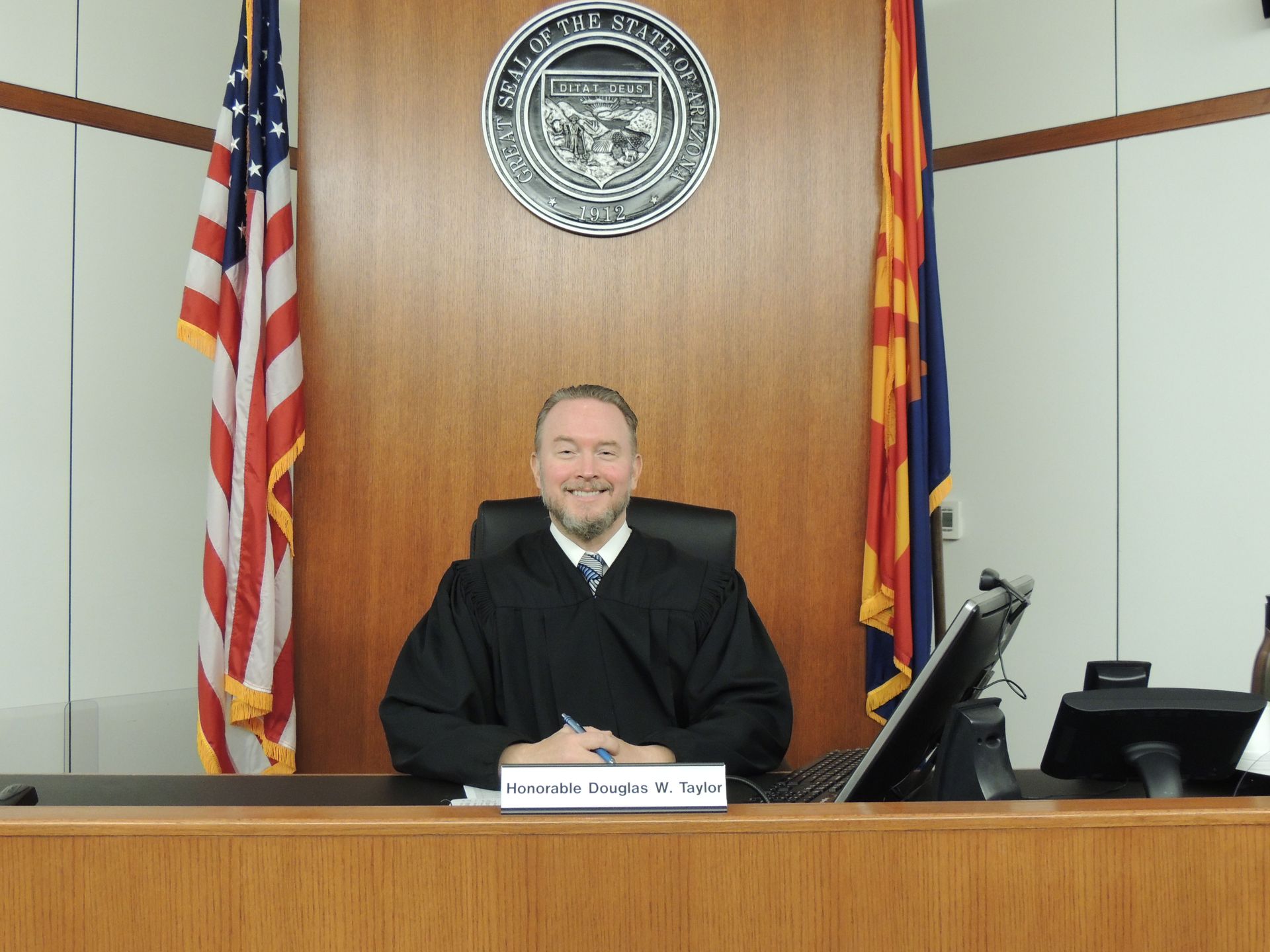
A charge is not proof of guilt. The State must prove the specific offense beyond a reasonable doubt, and the details of the allegation and evidence matter. Douglas W. Taylor, Sr. is a former Pima County judge with more than 25 years of criminal-law experience. His courtroom experience informs how he evaluates the evidence, the charging decisions, and the legal issues a court may need to resolve.
If law enforcement has contacted you, do not discuss the allegation or try to explain your side before speaking with a lawyer. Do not contact the person who made the allegation. Preserve relevant messages and records, and follow any court orders or release conditions.
Common Situations That Can Lead to a RAPE / SEXUAL ASSAULT Charge
An investigation may involve allegations of:
- Sexual intercourse or oral sexual contact without consent
- Coercion or the use or threatened use of force
- A person being unable to consent because of impairment, sleep, or another condition
- Disagreement about what happened or whether consent was given
- Disputed identification or questions about who was present
- Texts, social-media messages, photographs, location data, or other digital evidence
- Medical or forensic evidence collected after the reported incident
- Statements made during interviews with law enforcement
The evidence must be evaluated in context. A relationship between the people, a prior conversation, or the absence or presence of physical injury does not by itself resolve the legal issues.
SEXUAL ASSAULT
Under Arizona Law
A.R.S. § 13-1406 defines sexual assault as intentionally or knowingly engaging in sexual intercourse or oral sexual contact with another person without that person’s consent. Arizona’s definition of “without consent” includes circumstances involving coercion, certain forms of incapacity, and intentional deception. The specific facts and statutory language matter.
Sexual assault is distinct from sexual abuse. The sexual-assault statute concerns intercourse or oral sexual contact; sexual abuse is a separate offense involving sexual contact. The charge and applicable law should be identified precisely.
What the State
Must Prove
The prosecution must prove the elements of the specific charge beyond a reasonable doubt.
In a sexual assault case, the central issues may include whether:
- The accused was the person who engaged in the alleged conduct
- The conduct meets Arizona’s definition of sexual intercourse or oral sexual contact
- The accused acted intentionally or knowingly
- The conduct was without consent under the circumstances and definitions in Arizona law
- The evidence supports each charge and any alleged aggravating circumstances
The case may involve statements, timelines, witness accounts, communications, medical records, forensic evidence, or other records. Each item must be considered for what it does—and does not—establish.
Potential
Consequences
Sexual assault is generally a Class 2 felony. For a first offense under the standard sentencing provision, A.R.S. § 13-1406 sets a minimum sentence of 5.25 years, a presumptive sentence of 7 years, and a maximum sentence of 14 years. The statutory ranges increase for people with historical prior felony convictions.
Arizona law also restricts probation and release options for a sexual assault conviction. Additional sentencing provisions may apply when the alleged victim is under 15, when serious physical injury is alleged, or when specified drugs were administered without the victim’s knowledge. Multiple sexual assault sentences may be required to run consecutively.
A conviction under A.R.S. § 13-1406 is also listed in Arizona’s sex-offender-registration statute. Registration and other consequences depend on the conviction and applicable law. A charge can also affect employment, housing, professional opportunities, family relationships, and reputation.
POSSIBLE DefenseS to A SEXUAL ASSAULT Charge
Every case depends on its evidence.
Potential issues may include:
- Identity: Whether the evidence reliably identifies the accused as the person involved.
- The alleged conduct: Whether the evidence establishes conduct covered by the sexual-assault statute.
- Consent: Whether the evidence supports the State’s claim that the conduct was without consent under Arizona law.
- Timeline and context: Whether records, communications, or witness accounts support or conflict with the alleged timeline.
- Reliability of statements: Whether statements are consistent, reliable, and fairly understood in context.
- Forensic evidence: Whether testing and interpretation support the conclusions claimed by the prosecution.
- Constitutional issues: Whether searches, seizures, questioning, or evidence collection complied with legal requirements.
- Charge-specific proof: Whether the evidence supports each count and any sentencing allegation.
A defense must be grounded in the evidence and applicable law. No defense or outcome should be assumed before reviewing the case.
COURTROOM REALITY
Sexual assault cases can involve sensitive evidence and sharply disputed accounts. A careful review examines the investigation as a whole: when statements were made, what records exist, how evidence was collected, and whether the prosecution’s interpretation is supported by the underlying material.
Forensic evidence can be important, but it must be interpreted within its limits. The existence of a test result, medical record, or digital message does not automatically establish every element of a criminal charge.
Example: When THE TIMELINE IS DISPUTED
Hypothetical example: Two people describe an encounter differently. Their accounts differ about the timing and what happened afterward. Messages, location information, witness accounts, and the timing of statements may help clarify what the evidence supports.
The defense would need to review the full context and the evidence for each element of the charge. This example is hypothetical and does not describe a client or case result.
Related Defense Areas
Related pages include:
Sexual assault and sexual abuse are separate charges under Arizona law. Each charge should be evaluated under its own statute and evidence.
Frequently Asked Questions
Is rape the same as sexual assault in Arizona?
Arizona’s statute uses the charge name “sexual assault.” Many people use the term “rape” when searching for information about allegations involving intercourse or oral sexual contact without consent. The specific charge and statute should be confirmed from the court documents.
What does the State have to prove in a sexual assault case?
The State must prove the elements of the specific charge beyond a reasonable doubt. Under A.R.S. § 13-1406, the allegation concerns intentional or knowing sexual intercourse or oral sexual contact without consent.
What does “without consent” mean under Arizona law?
The definition in A.R.S. § 13-1401 includes coercion, certain circumstances in which a person is incapable of consent, and specified forms of intentional deception. How the definition applies depends on the facts and charge.
Can a spouse be charged with sexual assault?
Yes. Arizona law states that being married to the alleged victim is not a defense to a sexual assault charge.
Does a sexual assault conviction require sex-offender registration?
A conviction under A.R.S. § 13-1406 is listed among the offenses in Arizona’s registration statute, A.R.S. § 13-3821. The applicable requirements and consequences should be reviewed in light of the specific conviction.
What if the person who made the allegation changes their account?
A change or inconsistency does not automatically dismiss a case. The prosecutor decides whether to continue, amend, negotiate, or dismiss the charge. The timing and context of statements may be relevant when evaluating the evidence.
What should I do if law enforcement contacts me?
Do not discuss the allegations or contact the person who made them before getting legal advice. Preserve relevant messages and records, follow any court orders or release conditions, and speak with a defense lawyer promptly.
When should I contact a sexual assault defense lawyer?
As soon as you learn of an investigation or charge. Early representation can help protect your rights, address contact with investigators, and identify evidence that may need to be preserved.
Speak With a Former Judge About Your Case
A sexual assault charge can affect your freedom, reputation, and future. Douglas W. Taylor, Sr. is a former Pima County judge with more than 25 years of criminal-law experience. He represents people accused of serious criminal offenses in Tucson and Southern Arizona.
Call Taylor Law Group, PLLC at (520) 440-5635 for a free and confidential consultation.