
MARIJUANA & THC POSSESSION FOR SALE DEFENSE Lawyer
Serving Tucson and Southern Arizona

Arizona allows adults to possess limited amounts of marijuana for personal use. That does not make every marijuana or THC allegation legal. Possession for sale, an alleged sale, or possession of an amount or product outside the law’s protections can lead to serious felony charges.
The exact substance and statute matter. Arizona law treats marijuana plant material and certain cannabis resin or THC products under different statutory provisions. The charge may depend on what the substance is, what laboratory testing shows, the amount involved, and what the State claims the evidence proves.
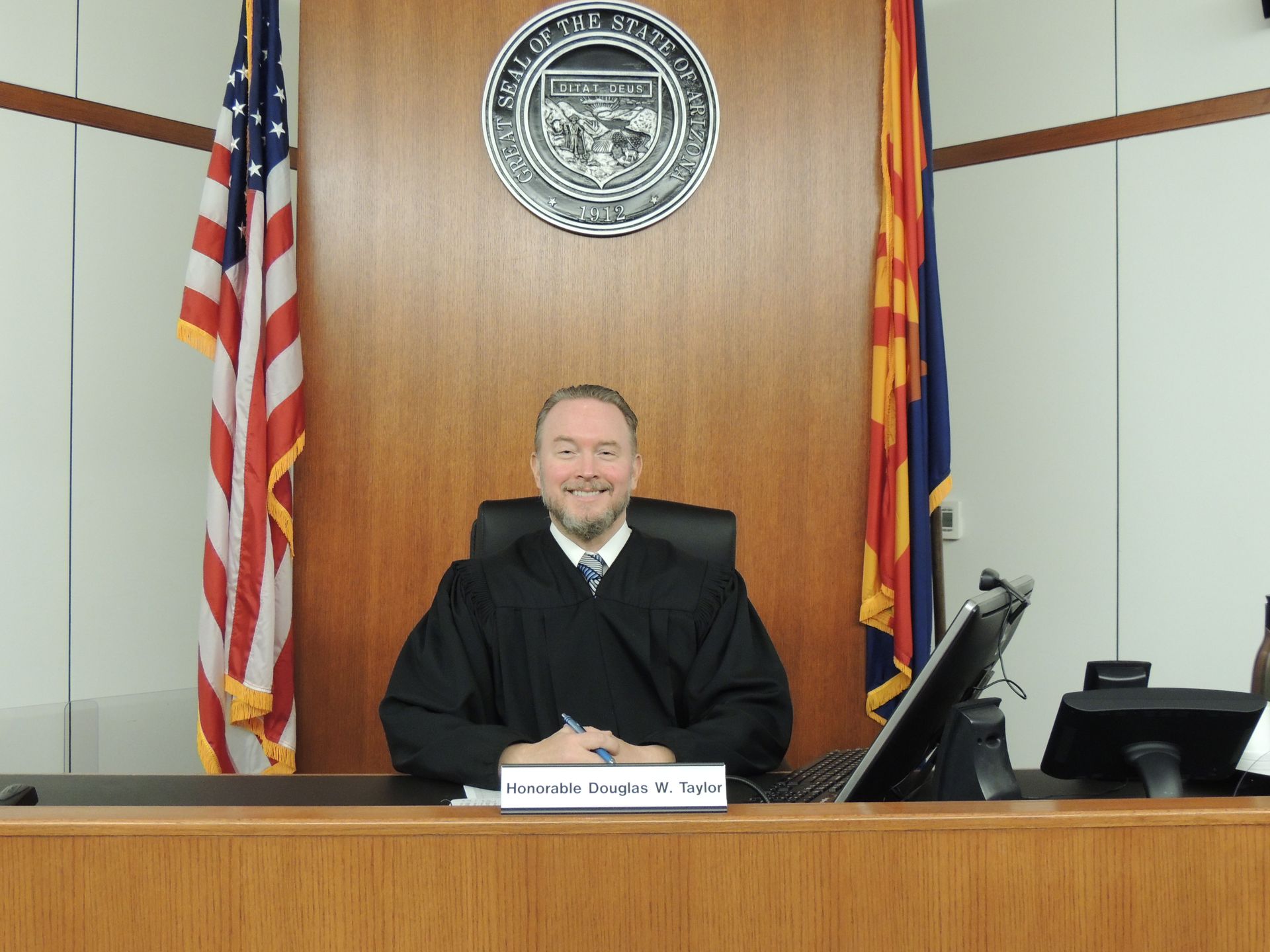
Douglas W. Taylor, Sr. is a former Pima County judge with more than 25 years of criminal-law experience. His courtroom experience informs how he evaluates the charging theory, search, laboratory evidence, and issues a court may need to decide.
If you are under investigation or have been charged, do not discuss the case with law enforcement before getting legal advice. Preserve relevant messages and records. Do not delete, alter, hide, or transfer anything that may be evidence.
COMMON MARIJUANA AND THC CHARGES
An Arizona investigation may involve allegations of:
- Possessing marijuana or THC
- Possessing marijuana or cannabis for sale
- Selling, transferring, or offering to sell marijuana or THC
- Transporting or importing a controlled substance for sale
- Possessing cannabis resin, concentrates, or other THC products
- Possessing marijuana in an amount exceeding the adult-use limit
- Possessing marijuana or THC in a vehicle, residence, or shared space
- Using packaging, scales, cash, messages, or other items the State claims indicate sales
A charge is an accusation, not proof. The substance, amount, location, access, communications, and surrounding circumstances all need to be examined.
MARIJUANA AND THC CHARGES UNDER
ARIZONA LAW
A.R.S. § 13-3405 addresses knowing possession or use of marijuana, possession of marijuana for sale, production, and sale or transportation for sale. The felony classification can depend on the conduct alleged and the amount involved.
THC and cannabis concentrate allegations can require a different analysis. Arizona’s criminal code defines cannabis to include resin extracted from cannabis and certain preparations of resin or tetrahydrocannabinol. Cannabis is also listed among narcotic drugs. Depending on the substance and charging theory, prosecutors may rely on A.R.S. § 13-3408.
The adult-use law generally allows a person who is at least 21 to possess up to one ounce of marijuana, with no more than five grams in concentrate form, subject to statutory conditions. It permits certain no-payment transfers between adults. It does not generally authorize possession for sale or a paid sale.
POSSESSION, POSSESSION FOR SALE, AND SALE ARE DIFFERENT ALLEGATIONS
Possession concerns whether the person knowingly possessed or controlled the alleged substance. The State may claim possession even when the substance was not found directly on the person. Access, knowledge, and control can become important issues.
Possession for sale is a separate allegation. The State may rely on the amount, packaging, cash, scales, messages, or other circumstances to argue that the substance was intended for sale. A completed transaction does not have to be alleged for a possession-for-sale charge. The evidence still has to support the charged offense.
Sale or transfer alleges that a person sold, transferred, or offered to sell or transfer the substance. The exact statute and substance identified in the charging document matter.
POTENTIAL FELONY CLASSIFICATIONS
The potential classification depends on which statute applies, the alleged conduct, the amount, and other case-specific facts.
Under A.R.S. § 13-3405, possession of marijuana for sale is generally classified as:
- Class 4 felony when the amount is less than two pounds
- Class 3 felony when the amount is at least two pounds but not more than four pounds
- Class 2 felony when the amount is more than four pounds
Under that statute, alleged sale or transportation for sale is generally a Class 3 felony below two pounds and a Class 2 felony at two pounds or more. Cannabis or THC concentrate charges may be brought under a different statute, with different classifications.
A conviction can also carry significant financial and other consequences. The applicable penalty depends on the precise statute, charge, substance, amount, criminal history, and sentencing provisions. A lawyer should review the charging document and evidence before estimating exposure.
What the State
Must Prove
The prosecution must prove every element of the charged offense beyond a reasonable doubt.
Depending on the charge, the issues may include whether:
- The substance was correctly identified under the statute charged
- The accused knowingly possessed, controlled, sold, or transferred it
- The accused intended to sell the substance, if possession for sale is alleged
- The evidence reliably establishes the amount and weight
- The substance was connected to the accused rather than another person
- The search, seizure, and testing were conducted lawfully and reliably
- The State’s interpretation of messages, packaging, cash, or other circumstances is supported by the full record
A police report’s description of a substance or suspected sale is not a substitute for examining the actual evidence and legal theory.
POSSIBLE DEFENSES TO A MARIJUANA OR THC CHARGE
Every case depends on its evidence.
Potential defense issues may include:
- Possession: Whether the State can prove the accused knowingly possessed or controlled the substance.
- Intent to sell: Whether the evidence actually supports possession for sale, rather than personal possession or another explanation.
- Substance identification: Whether testing reliably identifies the material and supports the statute charged.
- Weight and amount: Whether the amount was measured accurately and attributed to the correct person or charge.
- Search and seizure: Whether police had lawful grounds to stop, search, seize, or obtain a warrant.
- Shared access: Whether another person had access to the vehicle, residence, container, or device where evidence was found.
- Statements and digital evidence: Whether statements, texts, account records, and other evidence are complete, authentic, and interpreted in context.
- Statutory protections: Whether the person’s conduct falls within a specific adult-use or other statutory protection.
A defense should be based on the actual charging document, laboratory records, reports, and evidence. No outcome should be assumed before reviewing the case.
COURTROOM REALITY
Marijuana and THC cases can turn on distinctions that are easy to miss in a brief police narrative: what the substance was, which statute applies, who had access to it, and whether the surrounding evidence truly supports an intent to sell.
A careful defense review considers the full investigation. That can include the search warrant or stop, body-camera footage, laboratory results, photographs, communications, witness accounts, and the chain of custody for the seized material.
Example: WHEN THE EVIDENCE DOES NOT CLEARLY SHOW WHO CONTROLLED THE SUBSTANCE
Hypothetical example: Officers find THC products and other items in a vehicle used by more than one person. The State claims that the driver possessed the products for sale, but the vehicle’s ownership, access, messages, and forensic evidence may point to different explanations.
The defense would need to examine the specific evidence and the legal requirements for the charged offense. This example is hypothetical and does not describe a client or case result.
Related Defense Areas
Related pages include:
Frequently Asked Questions
Is marijuana possession for sale still a felony in Arizona?
Yes. Arizona law separately prohibits knowing possession of marijuana for sale. The felony classification generally depends on the amount involved and the statute charged.
If marijuana is legal in Arizona, why can someone still be charged?
Arizona allows limited adult personal possession and certain no-payment transfers. Those protections do not generally authorize paid sales or possession for sale. The amount, substance, age, and circumstances matter.
What is the difference between marijuana and THC charges?
The charging statute may depend on the product. Plant marijuana is addressed under one statutory provision; cannabis resin, concentrates, and THC products may be treated under separate cannabis or narcotic drug provisions. The substance and lab results should be reviewed.
Can I be charged with possession for sale if no sale occurred?
Yes. Possession for sale is a separate allegation from completing a sale. The State must still prove the required knowing possession and intent using admissible evidence.
What amount of marijuana may an adult possess legally?
Arizona generally allows an adult who is at least 21 to possess up to one ounce, with no more than five grams in concentrate form, subject to statutory conditions. That limit does not make a paid sale lawful.
What penalties can a marijuana possession-for-sale charge carry?
The classification can range from a Class 4 to a Class 2 felony under A.R.S. § 13-3405, depending on the amount. THC or cannabis concentrate allegations may be charged under a different statute with different penalties.
Can marijuana or THC found in a shared vehicle or home be attributed to me?
The State must prove the elements of the charged offense. Who owned, used, or had access to the location may matter, as may fingerprints, messages, statements, and other evidence.
What should I do if police contact me about a marijuana or THC investigation?
Do not discuss the allegations or try to explain the evidence before getting legal advice. Preserve relevant records, do not alter or delete potential evidence, and follow any court orders or release conditions.
When should I contact a marijuana defense lawyer?
As soon as you learn of an investigation, search, or charge. Early review can help identify the statute involved, preserve evidence, and address decisions before the case progresses.
Speak With a Former Judge About Your Case
A marijuana or THC charge can threaten your freedom, finances, and future. Douglas W. Taylor, Sr. is a former Pima County judge with more than 25 years of criminal-law experience. Taylor Law Group represents people accused of serious drug offenses in Tucson and Southern Arizona.
Call Taylor Law Group, PLLC at (520) 440-5635 for a free and confidential consultation.