
SEXUAL ABUSE DEFENSE Lawyer
Serving Tucson and Southern Arizona

An Arizona sexual-abuse charge can involve disputed questions about what contact occurred, whether it was intentional, and whether the law considers it to have been without consent. The charge is serious, but an accusation is not proof. The specific statute, the ages and relationship of the people involved, and the evidence all matter.
Arizona uses “sexual abuse” as the name of a specific offense under A.R.S. § 13-1404. It is not a general label for every allegation involving sexual conduct. Other offenses—including sexual assault and child molestation—have different statutory definitions.
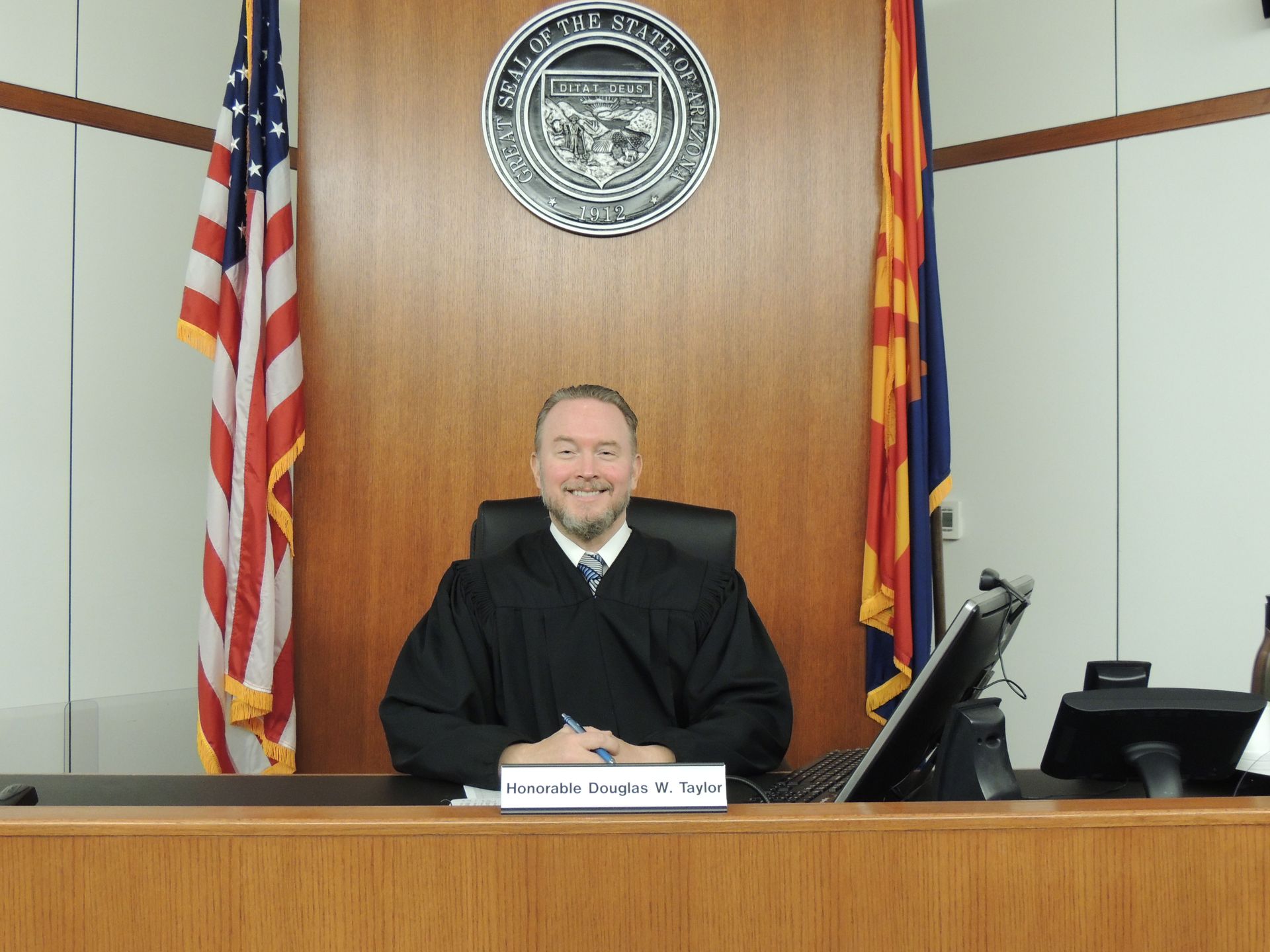
Douglas W. Taylor, Sr. is a former Pima County judge with more than 25 years of criminal-law experience. His courtroom experience informs how he evaluates the evidence, charging decisions, and legal issues a court may need to resolve.
If law enforcement has contacted you, do not discuss the allegations or contact the person who made them before speaking with a lawyer. Preserve relevant messages and records, and follow any court orders or release conditions.
Common Situations THAT CAN Lead to A SEXUAL ABUSE Charge
An investigation may involve allegations of:
- Sexual contact with a person age 15 or older without consent
- Contact involving a person under 15 that the State alleges falls within A.R.S. § 13-1404
- Contact that allegedly occurred through clothing or involved an object
- An allegation that the person was unable to consent because of impairment, sleep, or another condition
- Alleged coercion or intentional deception about the nature of the act
- An allegation involving a person age 15, 16, or 17 and someone alleged to be in a position of trust
- Disputed accounts, witness statements, messages, or other evidence about what happened
The statutory classification depends on the specific charge and the alleged victim’s age. If a child under 15 is involved, the precise type of alleged contact matters: Arizona’s sexual-abuse statute treats that circumstance differently from contact involving a person age 15 or older.
Sexual ABUSE
Under Arizona Law
Under A.R.S. § 13-1404, a person commits sexual abuse by intentionally or knowingly engaging in sexual contact with a person who is 15 or older without that person’s consent. The statute also applies to contact involving a person under 15 when the contact involves only the female breast.
Arizona defines sexual contact to include certain direct or indirect touching, fondling, or manipulation of the genitals, anus, or female breast. The statutory definition excludes certain interactions during caretaking responsibilities when an objective, reasonable person would recognize them as normal and reasonable under the circumstances.
Arizona law also addresses alleged victims who are 15, 16, or 17. If the defendant is in a statutory “position of trust,” the person’s consent is not a defense under § 13-1404(B).
Sexual abuse is generally a Class 5 felony. If the alleged victim is under 15, § 13-1404 classifies the offense as a Class 3 felony punishable under A.R.S. § 13-705. The sentencing analysis depends on the charge and circumstances.
What the State
Must Prove
The prosecution must prove every element of the specific charge beyond a reasonable doubt.
Depending on the allegation, the issues may include whether:
- The accused was the person involved
- The alleged conduct meets Arizona’s statutory definition of sexual contact
- The accused acted intentionally or knowingly
- The alleged victim’s age brings the conduct within the charged subsection
- The contact was without consent when the statute requires that element
- A position-of-trust allegation applies
- The evidence supports each count and any sentencing allegation
A description in a police report is not a substitute for examining the actual evidence, the statutory language, and the legal theory behind the charge.
Potential
Consequences
A sexual-abuse conviction is generally a Class 5 felony. If the alleged victim was under 15, the offense is classified as a Class 3 felony and sentenced under A.R.S. § 13-705. Other factors may affect the sentencing analysis.
A conviction under A.R.S. § 13-1404 involving an alleged victim under 18 is listed in Arizona’s sex-offender-registration statute. Registration consequences should be reviewed based on the specific conviction and circumstances.
A case can also affect employment, housing, professional opportunities, family relationships, and reputation. The consequences depend on the charge, the person’s record, and the outcome.
POSSIBLE DefenseS to A Sexual ABUSE Charge
Every case depends on its evidence.
Potential issues may include:
- The statutory definition: Whether the alleged contact falls within Arizona’s definition of sexual contact.
- Intent: Whether the State can prove that the contact was intentional or knowing.
- Consent: Whether the evidence supports the allegation of lack of consent, when consent is a required element. Special rules apply when the alleged victim is 15, 16, or 17 and the defendant is alleged to be in a position of trust.
- Age and charge selection: Whether the alleged victim’s age and the specific contact support the subsection charged.
- Context: Whether the evidence shows ordinary, reasonable caretaking or another noncriminal explanation for the contact.
- Identity and timeline: Whether statements, witnesses, records, or digital evidence reliably support the alleged account.
- Statements and searches: Whether questioning, searches, or evidence collection raise constitutional or reliability issues.
A defense must be grounded in the evidence and applicable law. No defense or outcome should be assumed before reviewing the case.
COURTROOM REALITY
Sexual-abuse cases can turn on careful distinctions in the statute and evidence. The alleged contact, the ages involved, the relationship between the people, and the surrounding circumstances can affect which law applies and what the State must prove.
The underlying records should be examined directly. Statements, messages, witness accounts, medical records, photographs, and other evidence may be important, but each must be evaluated for what it actually establishes.
Example: When THE NATURE OF THE CONTACT Is Disputed
Hypothetical example: A report describes contact during an interaction between a caregiver and another person. The people involved describe the circumstances differently, and records or witnesses may help clarify what happened and whether the alleged contact fits the statutory definition.
The defense would need to evaluate the exact allegation, the statutory language, and the supporting evidence. This example is hypothetical and does not describe a client or case result.
Related Defense Areas
Related pages include:
- Sex Crimes Defense
- Criminal Defense
- Sexual Assault Defense
- Failure to Register as a Sex Offender Defense
- Sexual Exploitation of a Minor Defense
- Child Abuse Defense
Sexual abuse, sexual assault, and child molestation are separate offenses under Arizona law. Each charge has its own elements and potential consequences.
Frequently Asked Questions
What counts as sexual abuse under Arizona law?
A.R.S. § 13-1404 covers intentional or knowing sexual contact with a person age 15 or older without consent. For a person under 15, this statute applies only when the alleged contact involves the female breast. Other alleged sexual contact with a child under 15 may involve a different statute.
Is sexual abuse a felony in Arizona?
Yes. Sexual abuse is generally a Class 5 felony. If the alleged victim is under 15, it is classified as a Class 3 felony and is punishable under A.R.S. § 13-705.
Can someone be charged with sexual abuse if the alleged victim is under 15?
A.R.S. § 13-1404 applies to an alleged victim under 15 only when the contact involves the female breast. Other alleged sexual contact with a child under 15 may be charged under a different statute, including the child-molestation statute. The precise allegation and charge matter.
Does consent matter if the alleged victim was 15, 16, or 17?
It can depend on the circumstances. Under A.R.S. § 13-1404(B), consent is not a defense if the alleged victim was 15, 16, or 17 and the defendant was in a position of trust as defined by Arizona law.
Is sexual abuse the same charge as child molestation?
No. Arizona has separate statutes for sexual abuse and child molestation. The age of the alleged victim and the type of contact can affect which statute applies.
Can a sexual-abuse conviction require sex-offender registration?
A.R.S. § 13-3821 includes sexual-abuse convictions when the alleged victim was under 18. A court may also have authority to order registration in certain other cases. The specific judgment and circumstances should be reviewed.
What should I do if law enforcement contacts me?
Do not discuss the allegations or contact the person who made them before getting legal advice. Preserve relevant messages and records, follow any court orders or release conditions, and speak with a defense lawyer promptly.
When should I contact a sexual-abuse defense lawyer?
As soon as you learn of an investigation or charge. Early review can help identify the specific statute and allegation, preserve relevant evidence, and address the case before important decisions are made.
Speak With a Former Judge About Your Case
A sexual-abuse allegation can affect your freedom, reputation, and future. Douglas W. Taylor, Sr. is a former Pima County judge with more than 25 years of criminal-law experience. He represents people accused of serious criminal offenses in Tucson and Southern Arizona.
Call Taylor Law Group, PLLC at (520) 440-5635 for a free and confidential consultation.