
SEXUAL CONDUCT WITH A MINOR DEFENSE Lawyer
Serving Tucson and Southern Arizona

Arizona calls this offense “sexual conduct with a minor.” Some people search for it as statutory rape. The charge can involve allegations of intercourse or oral sexual contact with someone under 18, including situations described as consensual. The exact ages, age difference, relationship, and evidence matter.
A charge is not proof of guilt. Arizona law includes a limited close-in-age defense for certain consensual conduct, and the offense level can vary substantially based on the alleged victim’s age and other circumstances.
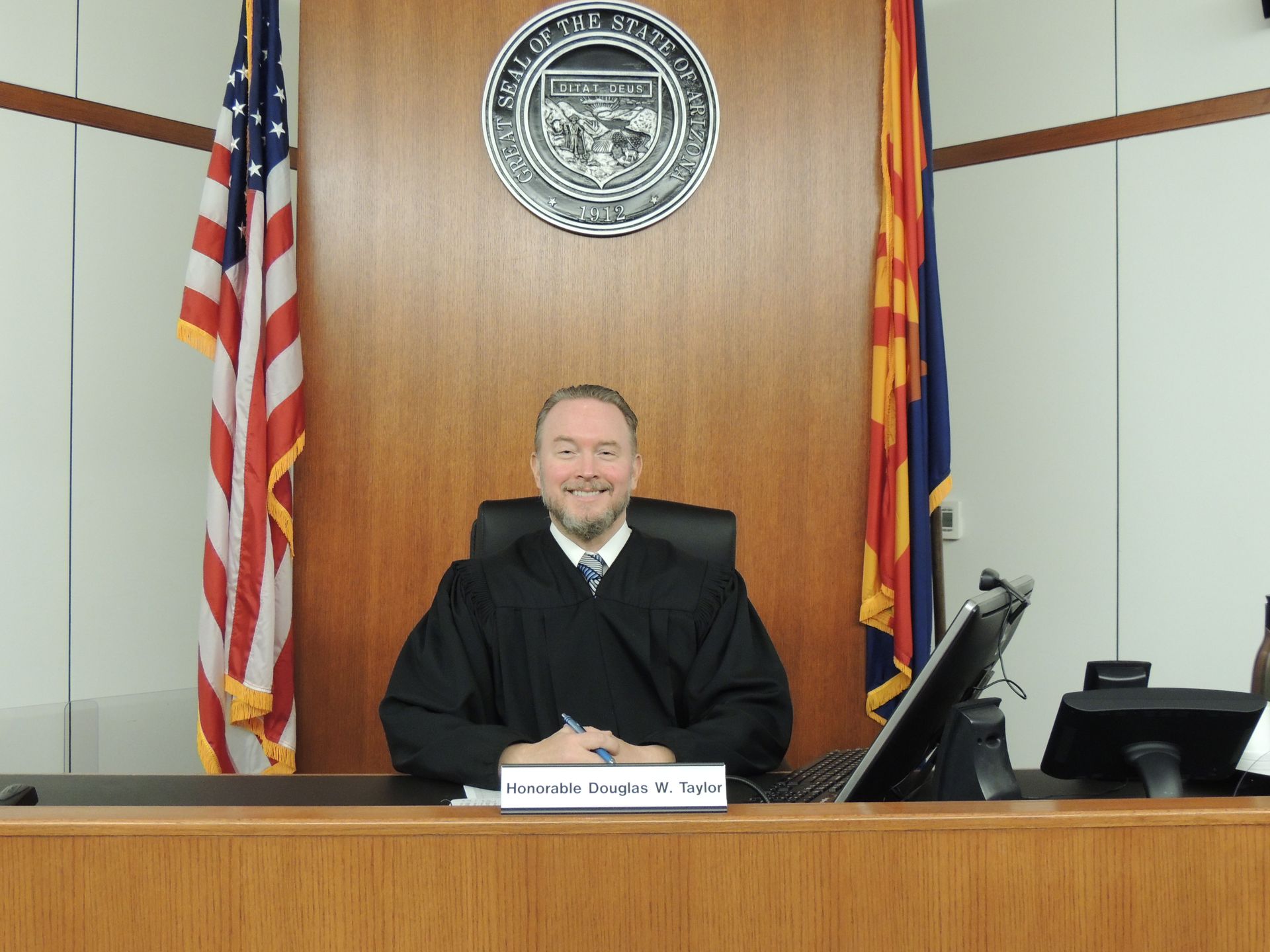
Douglas W. Taylor, Sr. is a former Pima County judge with more than 25 years of criminal-law experience. His courtroom experience informs how he evaluates the evidence, charging decisions, and legal issues a court may need to resolve.
If law enforcement has contacted you, do not discuss the allegations or contact the person involved before speaking with a lawyer. Preserve messages and other relevant records. Follow any court orders or release conditions.
Common Situations THAT CAN Lead to ChargeS
An investigation may involve allegations of:
- Intercourse or oral sexual contact with someone under 18
- A relationship between teenagers or young adults where the ages and age difference are disputed
- Conduct described as consensual where the close-in-age defense may be an issue
- Allegations involving a person in a position of trust
- Online messages, social-media communications, photographs, or plans to meet
- Disputed birth dates, timelines, identity, or accounts of what occurred
- Allegations involving a child under 15, which can trigger different charges and sentencing rules
The charge may turn on a few months in age, whether the defendant was in a statutory position of trust, and what the digital or other evidence actually shows.
Sexual CONDUCT WITH A MINOR
Under Arizona Law
Under A.R.S. § 13-1405, a person commits sexual conduct with a minor by intentionally or knowingly engaging in sexual intercourse or oral sexual contact with someone under 18.
The offense level depends on the circumstances:
- If the alleged victim is under 15, the offense is a Class 2 felony punishable under Arizona’s dangerous-crimes-against-children sentencing statute.
- If the alleged victim is 15, 16, or 17, the offense is generally a Class 6 felony.
- If the alleged victim is at least 15 and the defendant was over 21 and more than 60 months older, the offense is a Class 4 felony. If probation is imposed, the statute requires one year in jail.
- If the alleged victim is at least 15 and the defendant is or was in a position of trust, the offense is a Class 2 felony with restricted probation and release eligibility.
- If the alleged victim is 12 or younger and suffers serious physical injury, the statute provides for a Class 1 felony punishable by natural life.
The applicable classification and sentencing provisions depend on the specific facts and any allegations the State can prove.
Arizona’s Limited Close-in-Age Defense
A.R.S. § 13-1407(E) provides a defense in certain cases involving consensual conduct when:
- The alleged victim was 15, 16, or 17;
- The defendant was under 19 or attending high school;
- The defendant was no more than 24 months older than the alleged victim; and
- The conduct was consensual.
Every part of the statutory test matters. A small difference in age, the people’s exact birth dates, school status, and the circumstances of the alleged conduct may affect whether this defense applies. Consent alone is not a general defense to a charge under § 13-1405.
Sexual Conduct With a Minor Is Different From Sexual Assault and Child Molestation
These are separate offenses with different elements:
- Sexual conduct with a minor: Alleged intercourse or oral sexual contact with someone under 18.
- Sexual assault: Alleged intercourse or oral sexual contact without consent; the alleged victim’s age can affect the charge and sentencing.
- Child molestation: Alleged sexual contact, other than contact with the female breast, with a child under 15.
The State’s chosen charge should be evaluated against the specific conduct, ages, and evidence in the case.
What the State
Must Prove
The prosecution must prove every element of the specific charge beyond a reasonable doubt.
The case may require examination of whether:
- The accused was the person involved
- The alleged conduct meets Arizona’s definition of sexual intercourse or oral sexual contact
- The accused acted intentionally or knowingly
- The alleged victim was under 18 at the time of the alleged conduct
- A position-of-trust allegation applies
- The State can prove any additional facts that affect the offense classification
- The evidence supports each count
Messages, account records, witness statements, and other evidence must be evaluated for reliability and context. The existence of a communication or relationship does not, by itself, establish every element of a criminal charge.
Potential
Consequences
Sexual conduct with a minor can be charged as a Class 6, Class 4, Class 2, or Class 1 felony depending on the alleged victim’s age and other statutory circumstances. Some classifications carry severe sentencing restrictions. A conviction under A.R.S. § 13-1405 is also listed in Arizona’s sex-offender-registration statute.
A case can affect employment, housing, professional opportunities, family relationships, and reputation. The potential consequences depend on the exact charge, the person’s record, and the outcome.
POSSIBLE DefenseS to A Sexual CONDUCT WITH A MINOR Charge
Every case depends on its evidence.
Potential issues may include:
- Close-in-age defense: Whether the facts satisfy every requirement of A.R.S. § 13-1407(E).
- Age and dates: Whether the State can prove the alleged victim’s age and the defendant’s age at the relevant time.
- Identity: Whether the evidence reliably identifies the accused as the person involved.
- Conduct charged: Whether the alleged conduct meets the statutory definition of intercourse or oral sexual contact.
- Intent: Whether the State can prove the required intentional or knowing conduct.
- Position of trust: Whether the evidence supports that allegation and any resulting classification.
- Digital evidence: Whether messages, accounts, device records, and timelines are authentic and properly attributed.
- Statements and searches: Whether questioning, searches, or evidence collection raise legal issues.
The available defenses depend on the exact charge and facts. No defense or outcome should be assumed before reviewing the case.
COURTROOM REALITY
A few months can change the legal analysis. Courts may need to consider the ages at the time of the alleged conduct, the age difference, school status, a claimed position of trust, and whether the evidence supports the statutory close-in-age defense.
Digital evidence can also be important. A careful review considers the full conversation and timeline, how the evidence was collected, and whether it reliably identifies who sent or received particular communications.
Example: When THE Age difference matters
Hypothetical example: A person who is 18 is accused of consensual conduct with someone who is 17. If the alleged victim was 15, 16, or 17, the defendant was under 19 or attending high school, the defendant was no more than 24 months older, and the conduct was consensual, the statutory close-in-age defense may warrant analysis.
The defense would need to verify each requirement using reliable records and the facts of the case. This example is hypothetical and does not describe a client or case result.
Related Defense Areas
Related pages include:
- Sex Crimes Defense
- Criminal Defense
- Sexual Assault Defense
- Failure to Register as a Sex Offender Defense
- Sexual Exploitation of a Minor Defense
- Child Abuse Defense
Sexual abuse, sexual assault, and child molestation are separate offenses under Arizona law. Each charge has its own elements and potential consequences.
Frequently Asked Questions
What is sexual conduct with a minor under Arizona law?
A.R.S. § 13-1405 covers intentionally or knowingly engaging in sexual intercourse or oral sexual contact with someone under 18. The offense level depends on the alleged victim’s age and other circumstances.
Is consent a defense to sexual conduct with a minor?
Consent is not a general defense to a charge under A.R.S. § 13-1405. A limited statutory defense may apply to certain consensual conduct when the alleged victim was 15, 16, or 17 and the age, school-status, and age-difference requirements are met.
What is Arizona’s close-in-age defense?
Under A.R.S. § 13-1407(E), the defense may apply when the alleged victim was 15, 16, or 17; the defendant was under 19 or attending high school; the defendant was no more than 24 months older; and the conduct was consensual. All statutory conditions must be met.
How does the alleged victim’s age affect the charge?
The classification can range from Class 6 to Class 1 depending on the alleged victim’s age and other facts. Allegations involving someone under 15 are treated under separate sentencing provisions. Additional rules apply to certain allegations involving a position of trust or serious physical injury.
Is sexual conduct with a minor the same as child molestation?
No. Sexual conduct with a minor involves alleged intercourse or oral sexual contact with someone under 18. Child molestation involves alleged sexual contact with a child under 15, subject to the statutory exception for contact with the female breast.
Can someone be charged if the relationship was consensual?
Yes. The statute may apply to conduct with someone under 18 even when described as consensual. The limited close-in-age defense may apply when all statutory conditions are met.
Does a conviction require sex-offender registration?
A.R.S. § 13-3821 lists sexual conduct with a minor under § 13-1405 among the offenses requiring registration. The specific requirements and consequences should be reviewed based on the conviction and circumstances.
What should I do if law enforcement contacts me?
Do not discuss the allegations or contact the person involved before getting legal advice. Preserve relevant messages and records, follow any court orders or release conditions, and speak with a defense lawyer promptly.
When should I contact a defense lawyer?
As soon as you learn of an investigation or charge. Early review can help preserve evidence, evaluate the exact charge and age-related issues, and address contact with investigators.
Speak With a Former Judge About Your Case
A sexual-conduct-with-a-minor allegation can affect your liberty, reputation, and future. Douglas W. Taylor, Sr. is a former Pima County judge with more than 25 years of criminal-law experience. He represents people accused of serious criminal offenses in Tucson and Southern Arizona.
Call Taylor Law Group, PLLC at (520) 440-5635 for a free and confidential consultation.